Operating Expenses: Definition, Examples, and Impact
Understand operating expenses and how they affect your business profitability and financial health.
What Are Operating Expenses?
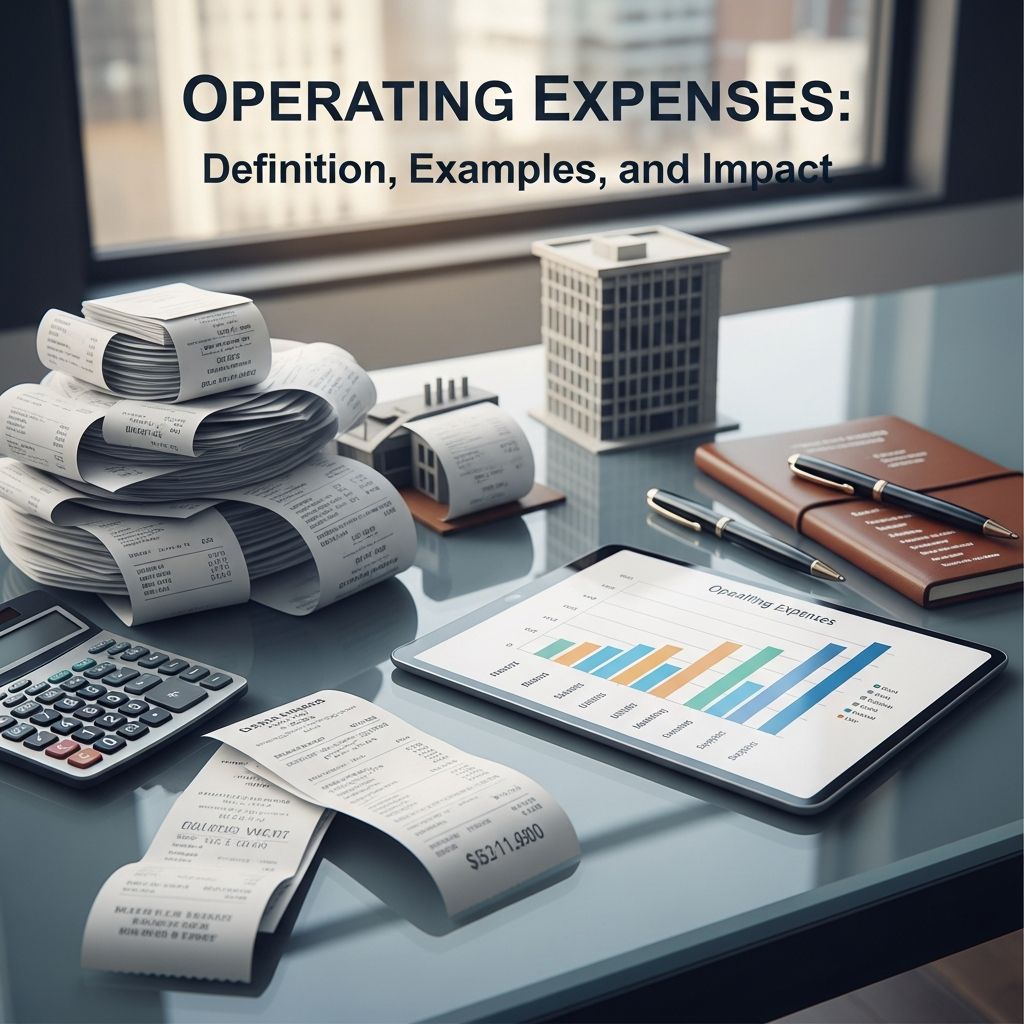
Operating expenses, commonly referred to as OpEx, are the costs incurred by a business in its day-to-day operations. These are the essential expenses required to keep a company functioning and generating revenue. Unlike capital expenditures, which involve purchasing assets that will provide benefits over multiple years, operating expenses are ongoing costs that must be paid regularly to maintain normal business operations.
Operating expenses are distinct from the cost of goods sold (COGS), which represents the direct costs of producing goods that a company sells. Instead, operating expenses encompass all the indirect costs associated with running the business, such as administrative salaries, rent, utilities, marketing, and insurance.
Understanding operating expenses is crucial for business owners, investors, and financial analysts because these costs directly impact a company’s profitability and bottom line. By carefully managing operating expenses, businesses can improve their operating margins and overall financial performance.
Types of Operating Expenses
Operating expenses can be categorized into several distinct types, each serving different functions within the organization:
Selling, General, and Administrative Expenses (SG&A)
SG&A expenses represent a significant portion of operating costs for most companies. These include:
- Sales commissions and bonuses
- Marketing and advertising campaigns
- Executive and administrative salaries
- Office supplies and equipment
- Professional services such as legal and accounting fees
- Rent and facility maintenance
Research and Development (R&D)
For companies in technology, pharmaceuticals, and other innovation-driven industries, R&D represents a critical operating expense. This includes costs associated with developing new products, improving existing offerings, and conducting scientific research. R&D expenses demonstrate a company’s commitment to innovation and future growth.
Depreciation and Amortization
These non-cash operating expenses represent the gradual reduction in value of tangible and intangible assets over time. Depreciation applies to physical assets like machinery and buildings, while amortization applies to intangible assets like patents and software licenses. These expenses are deducted from revenue even though no actual cash payment occurs in the current period.
Utilities and Facility Costs
Essential to maintaining business operations, these expenses include electricity, water, gas, internet, telecommunications, and facility maintenance. For many businesses, these costs are among the most predictable and recurring operating expenses.
Common Examples of Operating Expenses
To better understand what qualifies as an operating expense, consider these practical examples:
- Employee Salaries and Benefits: Wages, health insurance, retirement contributions, and payroll taxes for employees directly involved in operations
- Rent: Monthly lease payments for office space, warehouses, or retail locations
- Utilities: Monthly bills for electricity, water, gas, and internet services
- Office Supplies: Paper, pens, ink cartridges, and other consumable supplies
- Equipment Maintenance: Regular servicing and repairs of machinery and equipment
- Insurance: Business liability, property, and workers’ compensation insurance premiums
- Marketing and Advertising: Digital marketing campaigns, social media promotion, and traditional advertising costs
- Professional Fees: Accountant, legal counsel, and consulting services
- Licenses and Permits: Business licenses, regulatory compliance fees, and permits
- Vehicle Expenses: Fuel, maintenance, and insurance for company vehicles
Operating Expenses vs. Capital Expenditures
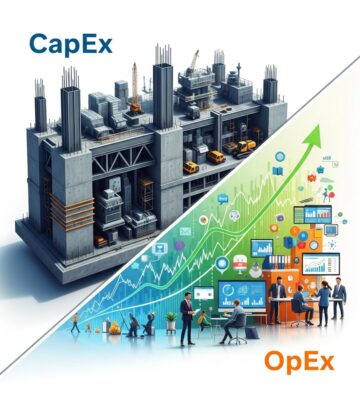
A critical distinction exists between operating expenses and capital expenditures (CapEx), and understanding this difference is essential for proper financial accounting and analysis.
| Aspect | Operating Expenses | Capital Expenditures |
|---|---|---|
| Nature | Ongoing, recurring costs | One-time or infrequent purchases |
| Time Benefit | Expensed in current period | Benefit extends over multiple years |
| Asset Creation | Does not create long-term assets | Creates or enhances long-term assets |
| Tax Treatment | Fully deductible in current year | Depreciated over asset lifespan |
| Examples | Salaries, rent, utilities, supplies | Buildings, machinery, vehicles, equipment |
Operating expenses are typically expensed immediately on the income statement, reducing taxable income in the current period. Capital expenditures, conversely, are capitalized on the balance sheet and depreciated or amortized over their useful life. This distinction affects cash flow analysis, tax planning, and financial reporting.
How to Calculate Operating Expenses
Calculating total operating expenses involves summing all costs incurred in running the business, excluding the cost of goods sold and capital purchases. The basic formula is:
Total Operating Expenses = SG&A Expenses + R&D Expenses + Depreciation and Amortization + Other Operating Costs
Operating expenses are typically reported on a company’s income statement under the operating expenses section. From the revenue, you first subtract the cost of goods sold to arrive at gross profit. Then, you subtract operating expenses to calculate operating income (also called EBIT or earnings before interest and taxes).
Operating Margin Calculation
A useful metric for analyzing operating efficiency is the operating margin, which shows what percentage of revenue remains as operating profit after covering operating expenses:
Operating Margin = Operating Income / Total Revenue × 100%
A higher operating margin indicates that a company is managing its operating expenses efficiently and converting more of each revenue dollar into operating profit. Investors and analysts often compare operating margins across companies in the same industry to assess relative operational efficiency.
Why Operating Expenses Matter
Understanding and managing operating expenses is vital for several reasons:
Profitability Impact
Operating expenses directly affect a company’s bottom line. Excessive operating costs can erode profitability, even when sales are strong. Conversely, well-managed operating expenses contribute to healthier profit margins and better financial performance.
Cash Flow Management
Most operating expenses require immediate cash outflow, making them critical to cash flow management. Businesses must ensure they have sufficient cash to cover regular operating expenses while maintaining financial stability.
Investment Decision Making
Investors analyze operating expenses to evaluate a company’s efficiency and sustainability. Consistently rising operating expenses relative to revenue may signal operational problems or inefficiency.
Pricing Strategy
Understanding operating expenses helps businesses set appropriate pricing for their products and services. Prices must cover both the cost of goods sold and operating expenses to generate profit.
Strategies for Managing Operating Expenses
Effective management of operating expenses can significantly improve a company’s financial position:
- Cost Audits: Regularly review all operating expenses to identify unnecessary or redundant costs
- Automation: Invest in technology and automation to reduce labor costs and improve efficiency
- Vendor Negotiation: Negotiate better rates with suppliers and service providers
- Energy Efficiency: Reduce utility costs through energy-efficient practices and equipment
- Outsourcing: Consider outsourcing non-core functions to reduce overhead
- Remote Work: Reduce facility costs by implementing flexible work arrangements
- Bulk Purchasing: Negotiate discounts by purchasing supplies and materials in larger quantities
- Process Optimization: Streamline business processes to reduce waste and inefficiency
Industry Variations in Operating Expenses
Operating expenses vary significantly across different industries. Retail companies typically have high rent and inventory management costs. Technology companies often have substantial R&D and employee compensation expenses. Manufacturing firms face significant facility and equipment maintenance costs. Service-based businesses may have lower overhead but higher employee-related expenses. Understanding industry norms for operating expense ratios helps stakeholders assess whether a company’s expense structure is typical or concerning.
Operating Expenses and Tax Implications
A significant advantage of operating expenses is their tax deductibility. Unlike capital expenditures, which must be depreciated over time, operating expenses can typically be deducted in full during the tax year in which they are incurred. This provides immediate tax relief and improves cash flow for businesses. However, companies must maintain detailed records and ensure expenses are legitimate business costs to substantiate these deductions if audited.
Frequently Asked Questions
Q: What is the difference between fixed and variable operating expenses?
A: Fixed operating expenses remain constant regardless of sales volume (rent, salaries), while variable operating expenses fluctuate with business activity (commissions, shipping costs). Understanding this distinction helps with budgeting and break-even analysis.
Q: How can small businesses reduce operating expenses?
A: Small businesses can reduce operating expenses by negotiating with vendors, implementing cost-control measures, utilizing free or low-cost software tools, sharing office space, and focusing on essential expenses only.
Q: Are operating expenses the same as operating costs?
A: Yes, operating expenses and operating costs are generally used interchangeably. Both terms refer to the expenses required to run a business’s core operations.
Q: How do operating expenses appear on financial statements?
A: Operating expenses appear on the income statement, listed separately from cost of goods sold. They are subtracted from gross profit to calculate operating income or EBIT.
Q: What is a typical operating expense ratio?
A: Operating expense ratios vary by industry. However, most profitable companies maintain operating expenses at 20-40% of revenue. Higher ratios may indicate inefficiency, while lower ratios suggest efficient operations.
Q: Can operating expenses be reduced during economic downturns?
A: Yes, companies often reduce operating expenses during downturns through measures like workforce reductions, renegotiating vendor contracts, reducing marketing spend, and postponing non-essential projects.
References
- Financial Accounting Standards Board (FASB) — FASB. 2024. https://www.fasb.org/
- U.S. Internal Revenue Service – Business Expenses — IRS. 2024. https://www.irs.gov/businesses/small-businesses-self-employed/business-expenses
- Generally Accepted Accounting Principles (GAAP) Overview — American Institute of CPAs. 2024. https://www.aicpa.org/
- Small Business Administration – Financial Management — SBA. 2024. https://www.sba.gov/business-guide/manage-your-business/financial-management
- SEC Division of Corporate Finance – Financial Statements — U.S. Securities and Exchange Commission. 2024. https://www.sec.gov/cgi-bin/browse-edgar
Similar Articles








Read full bio of Sneha Tete