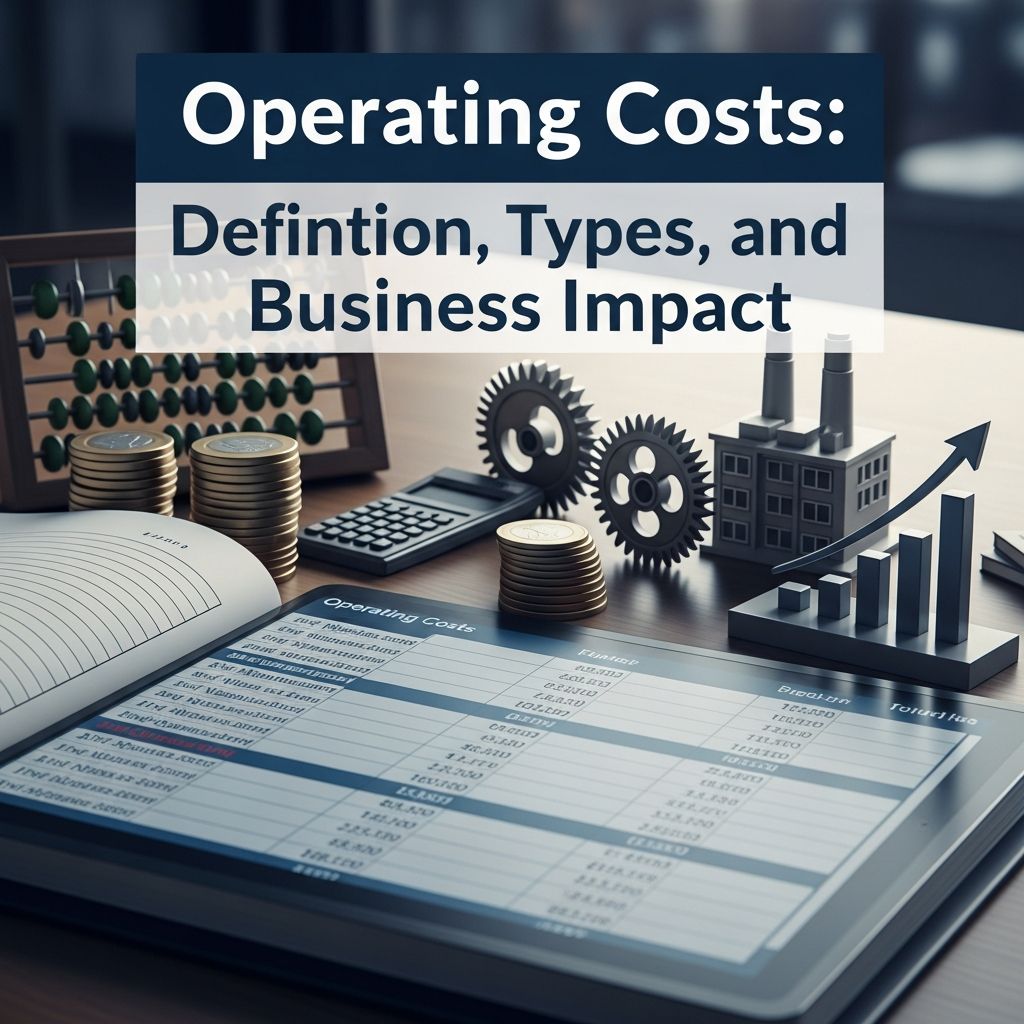
Operating Costs: Definition, Types, and Business Impact
Understand operating costs: Essential expenses for running your business daily operations.
What Are Operating Costs?
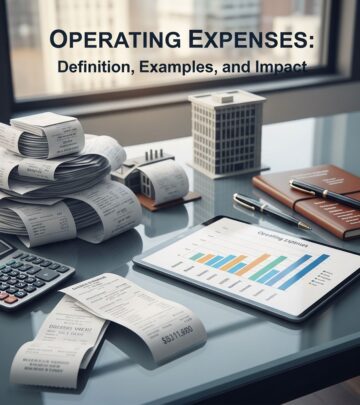
Operating costs, also known as operational expenses or OPEX, represent the expenses required to keep a business functioning on a day-to-day basis. These are the regular, recurring expenses that companies incur to maintain their core business operations and generate revenue. Unlike capital expenditures, which involve large one-time investments in assets, operating costs are ongoing expenses that occur throughout the fiscal year.
Operating costs are fundamental to understanding a company’s financial health and profitability. They encompass everything from employee salaries and rent to utilities and supplies. By carefully tracking and managing operating costs, businesses can optimize their efficiency, improve profit margins, and make informed strategic decisions about resource allocation.
Understanding Operating Expenses
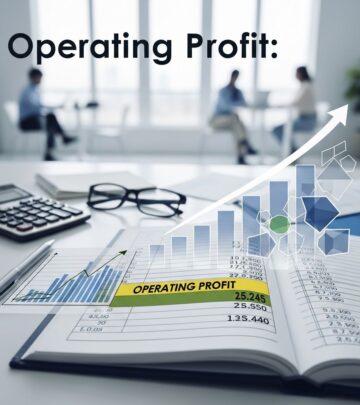
Operating expenses form a critical component of the income statement and directly impact a company’s net income. These expenses are deducted from gross profit to calculate operating income, which represents the profit generated from core business operations before accounting for interest and taxes.
The relationship between operating costs and revenue determines operational efficiency. Companies that can generate more revenue while keeping operating costs relatively stable typically achieve higher profitability and competitive advantages in their markets. This is why many businesses focus on operational efficiency improvements and cost reduction strategies.
Common Types of Operating Costs
Operating costs vary depending on the industry and nature of the business, but several categories are common across most organizations:
- Employee Salaries and Wages: One of the largest operating expenses for most businesses, including compensation for full-time and part-time employees.
- Rent and Facility Costs: Payments for office space, warehouses, retail locations, and maintenance of physical facilities.
- Utilities: Electricity, water, gas, internet, and telecommunications services necessary for business operations.
- Office Supplies: Materials needed for daily operations, including paper, ink, furniture, and equipment.
- Marketing and Advertising: Expenses related to promoting products or services and building brand awareness.
- Insurance: Coverage for liability, property, workers’ compensation, and other business risks.
- Depreciation: Accounting allocation of the cost of assets over their useful lives.
- Research and Development: Expenses for developing new products or improving existing ones.
- Transportation and Logistics: Costs associated with shipping products and moving goods.
- Professional Services: Fees for accounting, legal, consulting, and other specialized services.
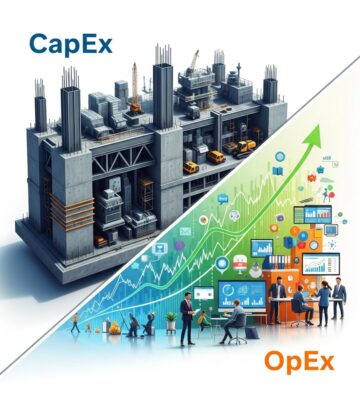
Operating Costs vs. Capital Expenses
Understanding the distinction between operating costs and capital expenses is essential for accurate financial management and reporting. While both are important business expenses, they are treated differently in accounting and taxation.
Operating Costs: These are recurring, short-term expenses that support daily business operations. They are fully deductible in the year they are incurred and appear on the income statement as operating expenses. Examples include salaries, rent, utilities, and office supplies.
Capital Expenses (CapEx): These are investments in long-term assets such as equipment, machinery, buildings, and technology infrastructure. Capital expenses are not fully deductible in the year of purchase. Instead, they are capitalized on the balance sheet and depreciated or amortized over their useful lives, typically several years.
The key difference lies in the timing of the benefit. Operating costs provide immediate benefits used up within a short period, while capital expenses provide benefits over an extended period, justifying their spread across multiple fiscal years.
Calculating and Analyzing Operating Costs
Calculating operating costs is straightforward: sum all recurring expenses directly related to business operations. Companies typically organize operating costs into categories for better analysis and control.
To analyze operating costs effectively, businesses use several key metrics:
- Operating Margin: Calculated as Operating Income ÷ Revenue, this ratio indicates the percentage of revenue remaining after covering operating costs.
- Operating Expense Ratio: Total Operating Expenses ÷ Revenue, showing what percentage of revenue is consumed by operating expenses.
- Cost per Unit: Total Operating Costs ÷ Units Produced, useful for understanding cost efficiency in manufacturing environments.
- Year-over-Year Comparison: Comparing current period operating costs to previous periods to identify trends and anomalies.
Fixed vs. Variable Operating Costs
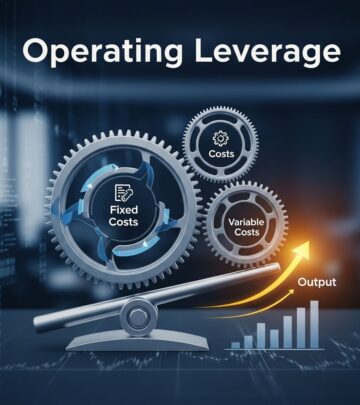
Operating costs can be further categorized as fixed or variable, which is crucial for break-even analysis and pricing strategies.
Fixed Operating Costs: These expenses remain relatively constant regardless of production volume or sales levels. Examples include rent, insurance premiums, and salaried employee compensation. Fixed costs provide a baseline expense that companies must cover even during periods of low revenue.
Variable Operating Costs: These expenses fluctuate based on business activity levels. Examples include raw materials, hourly labor costs, packaging, and commission-based compensation. As production or sales increase, variable costs typically increase proportionally.
Understanding this distinction helps companies manage cash flow, set pricing strategies, and forecast financial performance under different business scenarios. Many businesses employ a mix of both fixed and variable costs to balance operational flexibility with financial predictability.
Strategies for Managing and Reducing Operating Costs
Effective cost management is essential for maintaining competitiveness and profitability. Companies employ various strategies to optimize their operating costs:
- Process Automation: Implementing technology and automation to reduce labor costs and increase efficiency.
- Outsourcing: Delegating non-core functions to specialized vendors or contractors to reduce overhead.
- Energy Efficiency: Investing in energy-efficient equipment and practices to reduce utility expenses.
- Supplier Negotiations: Working with suppliers to secure better pricing and terms.
- Inventory Management: Optimizing inventory levels to reduce storage costs and waste.
- Remote Work Options: Reducing facility costs through flexible work arrangements.
- Performance Monitoring: Regularly tracking and analyzing operating costs to identify inefficiencies.
Operating Costs and Business Scalability
The relationship between operating costs and business scalability is critical for growth. As businesses expand, they must manage operating costs efficiently to maintain profitability at larger scales.
Highly scalable businesses can increase revenue significantly while keeping operating costs from growing proportionally. Technology companies, for example, can serve more customers with minimal additional operating costs once their software infrastructure is in place. In contrast, service-based businesses may struggle to scale profitably because labor costs increase with each additional client.
Understanding cost structure helps entrepreneurs and managers identify which business models are most scalable and where to focus operational improvements for maximum impact on profitability.
Operating Costs in Different Industries
Operating cost structures vary significantly across industries based on their nature and business models:
- Manufacturing: High fixed costs for facilities and equipment, plus substantial variable costs for raw materials and labor.
- Retail: Significant rent and inventory costs, along with customer service and point-of-sale system expenses.
- Software and Technology: Relatively high development and server costs, but lower manufacturing and distribution expenses.
- Healthcare: Substantial personnel costs, medical supplies, and regulatory compliance expenses.
- Transportation and Logistics: High fuel, maintenance, and labor costs, plus regulatory and insurance expenses.
Frequently Asked Questions (FAQs)
Q: What is the difference between operating costs and operating expenses?
A: Operating costs and operating expenses are essentially synonymous terms. Both refer to the recurring expenses required to run a business’s core operations, including salaries, rent, utilities, and supplies. These terms are often used interchangeably in financial discussions.
Q: Are salaries included in operating costs?
A: Yes, employee salaries and wages are typically major components of operating costs. This includes compensation for all employees directly involved in core business operations. Commission-based compensation and bonuses may be classified as variable operating costs.
Q: How do operating costs affect profit margins?
A: Operating costs directly impact profit margins. Higher operating costs relative to revenue result in lower operating margins and reduced profitability. Companies focus on managing operating costs to improve their bottom line and maintain competitive pricing.
Q: Can companies eliminate operating costs?
A: No, companies cannot completely eliminate operating costs while remaining in business. However, they can reduce and optimize operating costs through efficiency improvements, automation, outsourcing, and better resource management.
Q: How often should companies review operating costs?
A: Companies should review operating costs regularly, ideally monthly or quarterly, to identify trends, control expenses, and ensure alignment with budgets. Annual reviews are essential for strategic planning and long-term cost management.
Q: Are depreciation expenses considered operating costs?
A: Yes, depreciation is typically included as an operating cost on the income statement. It represents the allocation of capital asset costs over their useful lives and is a non-cash operating expense that affects profitability calculations.
Key Takeaways
- Operating costs are recurring expenses necessary for daily business operations and directly impact profitability.
- Common operating costs include salaries, rent, utilities, supplies, insurance, and marketing expenses.
- Operating costs differ from capital expenses in timing, treatment, and tax implications.
- Fixed costs remain constant while variable costs fluctuate with business activity levels.
- Effective cost management through automation, outsourcing, and efficiency improvements can enhance competitiveness.
- Operating cost structures vary significantly across different industries and business models.
- Regular monitoring and analysis of operating costs are essential for maintaining profitability and informed decision-making.
References
- Operating Expenses: Definition, Examples, and Analysis — U.S. Securities and Exchange Commission (SEC). 2024. https://www.sec.gov/education/quick-reference-guide-online-investing-glossary
- Generally Accepted Accounting Principles (GAAP) Overview — Financial Accounting Standards Board (FASB). 2024. https://www.fasb.org/
- Operating Leverage and Business Risk Assessment — Corporate Finance Institute (CFI). 2024. https://corporatefinanceinstitute.com/resources/accounting/operating-expenses/
- Cost Management and Business Efficiency — Institute of Management Accountants (IMA). 2024. https://www.imanet.org/
- Break-Even Analysis and Cost Structure Optimization — American Institute of Certified Public Accountants (AICPA). 2024. https://www.aicpa.org/
Similar Articles








Read full bio of Sneha Tete