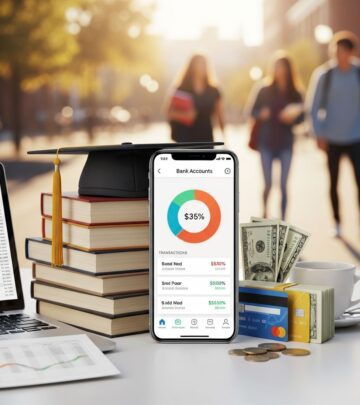
Opening Your First Bank Account: Essential Guide
Master the essentials of launching your first bank account with practical steps, smart choices, and tips to avoid common pitfalls for long-term financial success.
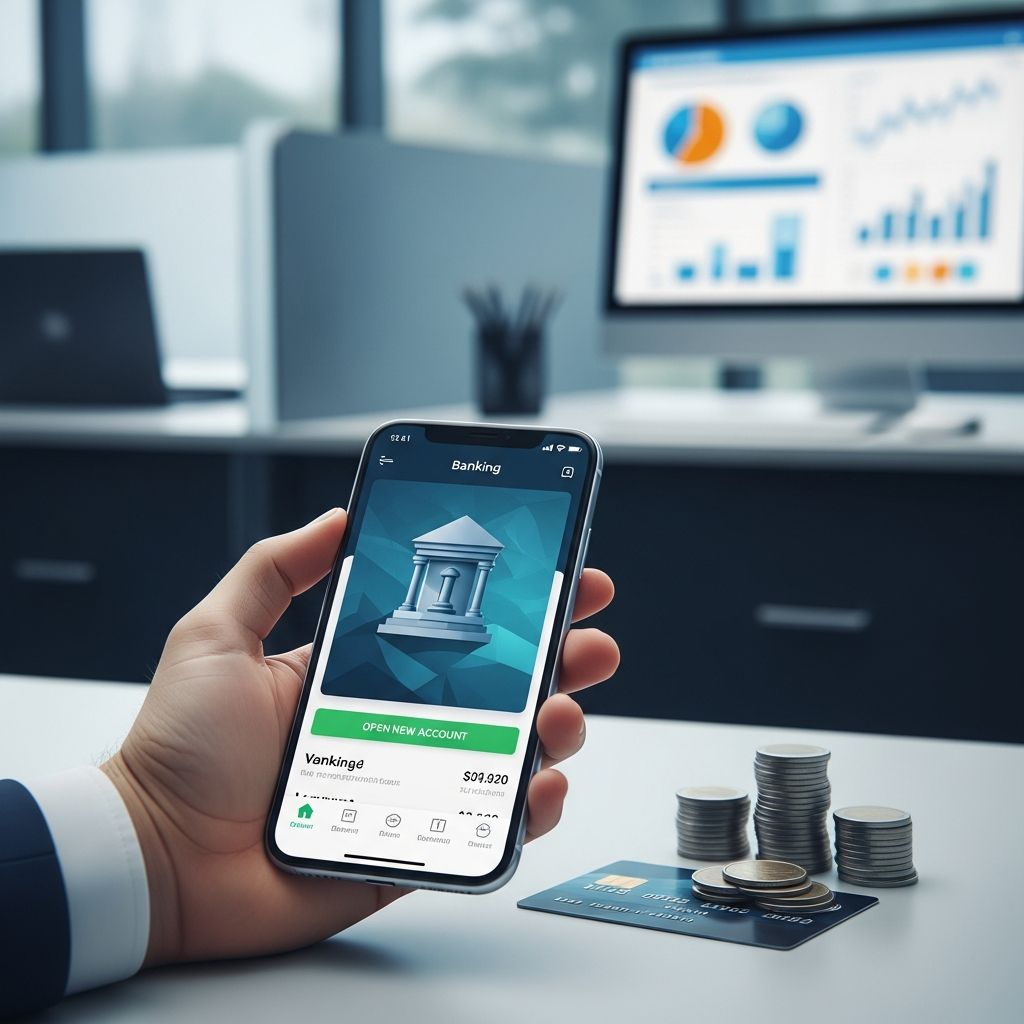
Launching your first bank account marks a pivotal step toward financial independence and effective money management. Whether you’re a teenager saving allowance or a young adult receiving your initial paycheck, understanding the process ensures you select the right option without unnecessary hurdles or costs.
Why Start with a Bank Account Now?
Traditional cash handling limits tracking and security. A bank account provides debit cards for purchases, online access for monitoring balances, and safeguards against loss or theft. It also introduces concepts like interest earnings and bill payments, fostering lifelong habits. For newcomers, accounts build credit history indirectly through responsible use.
Primary Account Options Explained
Beginners typically choose between two core types:
- Checking Accounts: Designed for daily transactions, these offer debit cards, check-writing, and ATM access. Ideal for frequent spending but often carry maintenance fees unless balanced requirements are met.
- Savings Accounts: Focused on growth, they earn interest on deposits and limit withdrawals to encourage saving. Perfect for emergency funds or goals like vacations.
Many institutions offer bundled packages combining both, providing flexibility. Entry-level versions for youth waive fees with minimal balances, such as $100 averages.
Key Documents and Personal Details Required
Institutions verify identity to comply with federal regulations. Prepare these essentials:
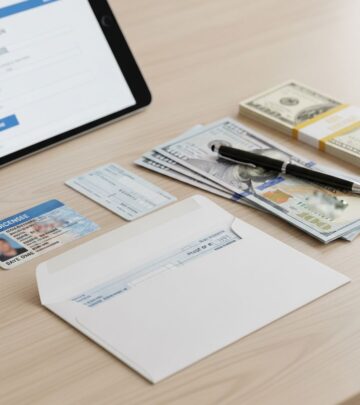
| Item | Purpose | Examples |
|---|---|---|
| Government-Issued Photo ID | Identity Proof | Driver’s license, passport, state ID |
| Social Security Number (SSN) or ITIN | Tax Reporting | SS card, tax documents |
| Proof of Address | Residency Verification | Utility bill, lease, paystub |
| Initial Deposit | Account Activation | Cash, check, transfer ($25-$250 typical) |
Minors under 18 need a parent or guardian present with their ID and possibly a birth certificate. Online applicants scan or upload documents; branches accept originals. Without an SSN, ITIN substitutes for eligible residents.
Selecting the Ideal Financial Institution
Options abound: national banks, local credit unions, online-only providers. Evaluate based on:
- Accessibility: ATM networks, branch proximity, mobile apps for deposits and transfers.
- Fees: Monthly maintenance, overdraft, out-of-network ATM charges. Seek waivers via direct deposit or balances.
- Services: Free online banking, bill pay, early paycheck access.
- Interest Rates: Higher for savings at credit unions or digital banks.
Credit unions often feature member-owned models with lower fees but membership criteria like local residency. Compare via institution websites or tools listing fee structures.
Step-by-Step Process to Launch Your Account
- Define Needs: List usage—daily spending, saving, or both. Match to checking, savings, or hybrid.
- Research Providers: Shortlist 3-5 based on location, reviews, fees.
- Gather Materials: Compile ID, SSN, deposit funds.
- Apply: Online (fastest for adults 18+) or in-branch. Input details, review terms.
- Fund and Activate: Deposit minimum via transfer, app, or cash. Receive debit card in days.
Online opens 24/7 but have support contacts ready. Approval is instant for clean profiles; chexsystems checks may flag issues.
Navigating Fees and Hidden Costs
Avoid surprises by scrutinizing:
- Monthly fees: Waived with $100-$500 balances or deposits.
- Overdraft: Opt for alerts or decline; fees hit $30+ per incident.
- ATM: Unlimited in-network; reimbursements at top banks.
Basic accounts for starters minimize these, like no-fee youth options. Read agreements covering rate changes and closures.
Tips for Teens and Young Adults
Parental joint accounts teach without full risk. Set auto-transfers to savings. Apps track spending categories. Start small—$25 deposits suffice. Under 16-18, guardian co-signing is standard.
Digital vs. Traditional Banking Methods
Online banks excel in high yields, zero fees, but lack branches. Hybrids blend apps with locations. Mobile setup: Download app, verify ID via selfie, link external accounts. Security features like biometrics protect access.
Building Healthy Habits from Day One
Track every transaction. Aim for 3-6 months expenses in savings. Use debit over credit initially. Review statements monthly for errors. This foundation aids future loans and investments.
Frequently Asked Questions
Can I open an account without an SSN?
Yes, ITIN works for non-citizens; some banks accept alternatives with extra verification.
What’s the minimum age?
18 for solo online; younger with guardian in-person.
Do all accounts need deposits?
No, but most require $25-$100; shop for zero-minimum.
How to avoid overdraft fees?
Enable alerts, link savings for coverage, or choose fee-free accounts.
Online vs. branch—which is better?
Online for convenience; branch for guidance, especially first-timers.
Overcoming Common Hurdles
Past banking issues? Prepaid cards bridge gaps. No address? Use shelter letters. Build gradually with secured options.
References
- How to open a bank account: a step-by-step guide — Bankrate. 2023-10-01. https://www.bankrate.com/banking/how-to-open-a-bank-account/
- How to Open a Bank Account — First Fed. 2024-02-15. https://www.ourfirstfed.com/support/financial-education/open-a-bank-account
- How to Open Your First Bank Account — Bank Main Street. 2023-05-20. https://www.bankmainstreet.com/understanding-banking/how-to-open-your-first-bank-account/
- Checklist for Opening a Bank or Credit Union Account — Consumer Financial Protection Bureau. 2022-06-10. https://files.consumerfinance.gov/f/documents/cfpb_adult-fin-ed_checklist-for-opening-an-account.pdf
- What Do You Need to Open a Bank Account? — NerdWallet. 2024-01-12. https://www.nerdwallet.com/banking/learn/how-to-open-a-bank-account-what-you-need
Similar Articles








Read full bio of Sneha Tete