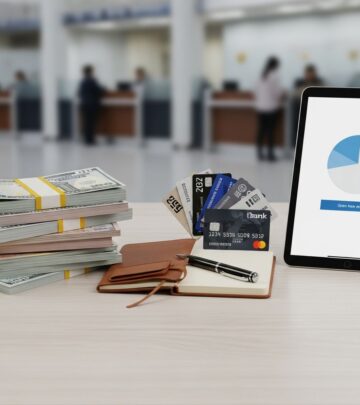
Opening a Savings Account: A Complete Guide
Learn the essential steps to open a savings account and start building financial security today.

A savings account serves as one of the most fundamental tools for achieving financial stability and reaching both short-term and long-term goals. Whether you’re building an emergency fund, saving for a vacation, or working toward a major purchase, a savings account provides a secure place to store your money while earning interest. The process of opening one is straightforward and accessible to most people, making it an ideal first step for anyone looking to take control of their finances.
Understanding the Purpose of a Savings Account
Before diving into the mechanics of opening an account, it’s important to understand what makes a savings account valuable. Unlike a checking account, which is designed for frequent transactions, a savings account encourages you to build reserves while your money earns interest over time. The interest earned compounds, meaning you gain returns not just on your initial deposit but also on the accumulated interest itself. This gradual growth can be powerful when coupled with consistent deposits, even if those deposits are small amounts like five or ten dollars per contribution.
Additionally, savings accounts offer peace of mind through security. Your funds are protected by federal insurance, either through the Federal Deposit Insurance Corporation (FDIC) for banks or the National Credit Union Administration (NCUA) for credit unions, insuring deposits up to specified limits. This protection ensures that your money remains safe even if the financial institution faces difficulties.
Evaluating Your Banking Options Before Opening
The first crucial step toward opening a savings account is selecting the right institution and account type for your specific needs. The banking landscape includes several options, each with distinct advantages:
- Traditional brick-and-mortar banks offer physical branch locations where you can conduct in-person transactions, access ATMs, and receive assistance from banking representatives.
- Online banks typically provide higher interest rates and lower fees because they operate with reduced overhead costs, though they lack physical branches.
- Credit unions are member-owned institutions that often provide competitive rates and personalized service to their members.
When comparing options, examine several critical factors. The annual percentage yield (APY) represents how much interest your money will earn annually. The difference between a traditional savings account and a high-yield savings account can be substantial—potentially meaning the difference between earning four hundred dollars versus four dollars on a ten-thousand-dollar balance annually. Beyond interest rates, consider minimum balance requirements, monthly maintenance fees, ATM accessibility, and the availability of online and mobile banking services.
Gathering Required Documentation
Before you can open a savings account, you’ll need to collect specific documents and information. Having everything prepared in advance streamlines the application process, which typically takes between ten and fifteen minutes when you’re organized.
The standard documentation requirements include:
- A valid government-issued identification such as a driver’s license or passport
- Your Social Security number or Individual Taxpayer Identification Number
- Proof of your current address, such as a utility bill or lease agreement
- Your date of birth
- Current contact information including phone number and email
- Bank account information if you plan to fund the account electronically
If you’re opening a joint account with another person, you’ll need the same documentation for each co-applicant. Some banks may request employment information for regulatory compliance purposes, though they typically don’t require you to disclose your income level.
Choosing Between Individual and Joint Accounts
An important decision during the account opening process involves determining whether you need an individual or joint account. An individual account belongs solely to you and provides complete control over deposits and withdrawals. This option works well for personal savings goals and financial independence.
A joint account, conversely, is owned by two or more people who share access to the funds and decision-making authority. Joint accounts are popular among married couples, partners, and family members who want to pool resources toward shared goals. However, this arrangement requires clear communication and trust among account holders regarding financial decisions and spending practices.
The Account Opening Process
Most banks and credit unions now offer flexible options for opening accounts, allowing you to choose the method that best suits your preferences.
Opening an Account Online
Online account opening has become increasingly popular and convenient. To begin, visit your chosen bank’s website and look for an “Open Account” or similar button on their savings account page. You’ll be guided through a digital application that requests your personal information, identification details, and employment information. If the bank offers ATM or debit cards, you can typically request one during this process or afterward.
If you already maintain an account with the same bank, you may have the option to link your new savings account to your existing checking account. This linkage facilitates easy transfers between accounts and simplifies account management. The online process culminates with creating login credentials—a username and password—to access your account online and through mobile banking applications. Banks often provide a temporary password initially, prompting you to create a permanent one upon first login for security purposes.
Opening an Account in Person
If you prefer in-person service or your financial institution requires it, visiting a branch remains a viable option. Branch employees can guide you through the application, answer questions, and often process your account opening on the spot. This approach works particularly well if you’re opening an account as a minor—some banks require individuals under eighteen to open accounts in person with a parent or guardian.
Using Mobile Applications
Many banks now allow account opening directly through mobile apps, combining the convenience of online banking with user-friendly mobile interfaces. This option appeals to tech-savvy customers who conduct most of their banking on smartphones or tablets.
Funding Your New Account
Once your application is approved—typically within one to two business days—you’ll receive notification that your account is ready. The next step involves making an initial deposit. Some banks require a minimum opening deposit, though many institutions have minimized or eliminated this requirement, allowing you to open an account with as little as fifty dollars.
You have several options for funding your account:
- Electronic transfers from another bank account at the same or different institution
- Mobile check deposits using your phone’s camera to photograph checks
- Cash deposits at a branch location
- Check deposits at the branch
It’s important to note that some financial institutions may close accounts that remain at zero balance for extended periods, typically around ninety days. If you’ve opened an account but haven’t yet made a deposit, prioritize funding it promptly to maintain the account’s active status.
Setting Up Account Access and Security
After funding your account, ensure you’ve established proper access methods. Create a strong password that combines uppercase and lowercase letters, numbers, and special characters to protect your account from unauthorized access. Many banks now offer two-factor authentication, adding an extra security layer by requiring verification through your phone or email when you log in from unfamiliar devices.
Request an ATM or debit card if you haven’t already, enabling you to access your funds through ATMs and make purchases at merchant locations. Understanding where ATMs are located and whether your bank participates in ATM networks is important, particularly if you travel frequently or live in areas with limited branch presence.
Strategies for Growing Your Savings
Opening a savings account is merely the beginning; maximizing its effectiveness requires intentional strategies. Setting specific financial goals provides direction and motivation for your saving efforts. Rather than vaguely intending to save money, establish concrete targets like accumulating one thousand dollars for an emergency fund, saving for a vacation, or building a down payment for a home. Specific goals make progress measurable and celebrate-worthy.
Automation transforms saving from a sporadic activity into a systematic habit. Setting up recurring transfers from your checking account to your savings account ensures consistent deposits without requiring conscious decision-making each month. Even modest amounts like fifty dollars per paycheck accumulate substantially over time, and automation removes the temptation to skip deposits when unexpected expenses arise.
Understanding Fees and Account Features
While examining savings accounts, pay close attention to fee structures. Some banks impose monthly maintenance fees unless you meet certain requirements, such as maintaining a minimum balance or setting up direct deposit. These fees can significantly erode your savings over time, so choosing fee-free accounts or accounts with easily avoidable fees is crucial.
Other valuable features to consider include withdrawal limits, which historically restricted how frequently you could withdraw funds, though regulations have relaxed in recent years. Some accounts offer bonus interest during promotional periods or provide tiered interest rates based on account balance levels. Customer service quality and the availability of online tools for monitoring your balance also contribute to overall account satisfaction.
Special Circumstances: Second-Chance Accounts
Individuals who have been denied traditional banking accounts due to past banking issues may qualify for second-chance checking or savings accounts. These accounts, offered by institutions like Wells Fargo, Varo, and Chime, provide basic features including debit cards, ATM access, and bill payment capabilities. By maintaining these accounts in good standing for a specified period—sometimes twelve months—account holders may qualify to upgrade to standard accounts and rebuild their banking history.
Frequently Asked Questions
Can I open a savings account entirely online?
Yes, many banks and credit unions allow complete online account opening. You’ll complete an application, upload or enter your required information such as Social Security number and identification details, and typically fund the account with an electronic transfer from another bank or mobile check deposit.
What is the minimum age requirement to open a savings account?
Most banks require applicants to be at least eighteen years old to open an account online, though some allow younger individuals to open accounts in person at branches with parental consent or co-signature.
How long does the account approval process take?
Typically, banks approve savings account applications within one to two business days. Many online applications provide immediate confirmation, though the account may not be fully functional until the bank completes verification processes.
Can I open multiple savings accounts?
Yes, there are no restrictions preventing individuals from opening multiple savings accounts at different banks or even multiple accounts at the same institution. Some people maintain separate accounts for different savings goals, which can help with organization and motivation.
What insurance protects my savings account?
Deposits in FDIC-insured banks are protected up to specific limits per depositor per institution, while credit union deposits are similarly protected through NCUA insurance. This protection ensures your funds remain safe even if the financial institution fails.
Taking the First Step Toward Financial Security
Opening a savings account represents a meaningful step toward financial stability and independence. The process is straightforward, accessible, and available to nearly everyone. By carefully selecting an institution that aligns with your needs, gathering required documentation, and establishing consistent saving habits, you create a foundation for long-term financial health. Whether you’re just beginning your financial journey or adding to existing accounts, the principles of comparison, organization, and consistent deposits remain timeless strategies for building wealth and achieving your financial aspirations.
References
- How to Open and Use a Savings Account – Simple Steps — Money Fit. https://www.moneyfit.org/how-to-guides/saving-money/how-to-open-and-use-a-savings-account/
- How to open a savings account: 5 steps to take — Bankrate. https://www.bankrate.com/banking/savings/how-to-open-a-savings-account/
- How to Open a Savings Account in 8 Simple Steps — TD Bank. https://www.td.com/us/en/personal-banking/learning/open-a-savings-account
- Finances 101: Tips for Opening a Savings Account — Quicken. https://www.quicken.com/blog/finances-101-tips-opening-savings-account/
- What do I need to open a savings account online? — Wells Fargo. https://www.wellsfargo.com/savings-cds/
Similar Articles








Read full bio of medha deb