Opening a Checking Account: Complete Guide
Master the process of opening a checking account with our comprehensive step-by-step guide.
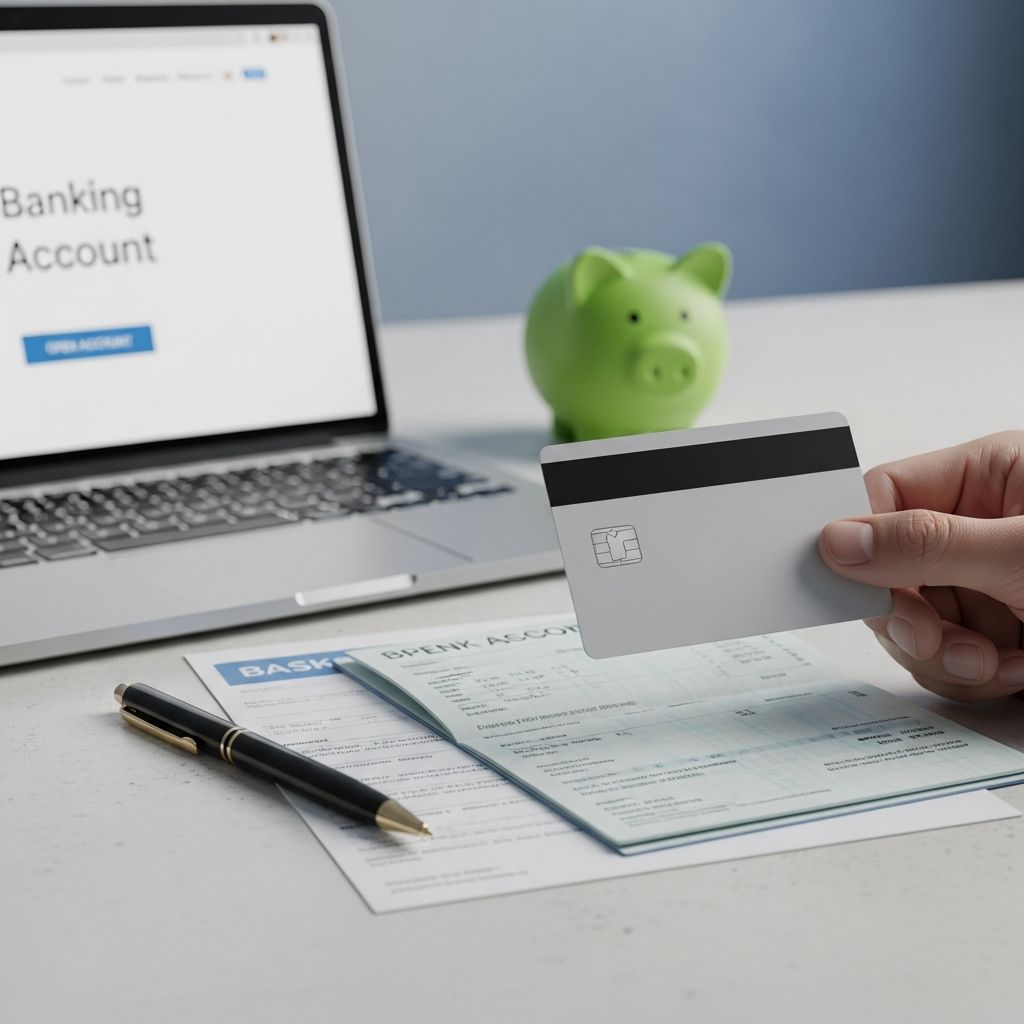
Opening a Checking Account: Complete Guide to Getting Started
Establishing a checking account represents one of the foundational steps in managing your personal finances. Whether you’re beginning your banking journey or transitioning to a new financial institution, understanding the requirements and process can streamline your experience significantly. This comprehensive guide walks you through everything you need to know about opening a checking account, from preparation through account activation.
Understanding the Basics of Checking Accounts
A checking account serves as the primary tool for managing everyday financial transactions. Unlike savings accounts designed to accumulate funds over time, checking accounts facilitate frequent deposits and withdrawals through various methods including debit cards, checks, electronic transfers, and mobile banking. Most modern checking accounts offer features such as online banking access, bill payment capabilities, and direct deposit functionality.
Before beginning the application process, take time to understand the different checking account options available in the market. Banks offer accounts tailored to different customer needs—some emphasize low fees and accessibility, while others provide premium features for customers maintaining higher balance requirements. Identifying which features align with your financial habits ensures you select an account that genuinely serves your needs.
Essential Documentation Required for Account Opening
Banks maintain strict documentation requirements to verify customer identity, comply with regulatory standards, and prevent fraud. Gathering the necessary documents before visiting a bank branch or beginning an online application accelerates the process considerably.
Government-Issued Photo Identification
Your primary identification document must be current and issued by a government authority. Accepted forms include driver’s licenses, state identification cards, passports, military identification cards, and passport cards. The document must display your photograph, contain your signature, and not be expired. If your identification has expired, renew it before attempting to open an account, as banks typically reject expired identification documents regardless of how recently expiration occurred.
Tax Identification Information
Banks require a tax identification number to comply with federal regulations and for tax reporting purposes. For most U.S. citizens and permanent residents, this means providing your Social Security number. If you don’t possess a Social Security number, you may provide an Individual Taxpayer Identification Number (ITIN). Non-residents and certain foreign nationals might need to complete additional IRS forms such as Form W-8 BEN to certify their tax status.
Proof of Current Residential Address
Banks require verification that you maintain a legitimate residential address within their service area. Acceptable documents must display your name and current physical address. Common options include utility bills dated within the past 60 days, lease agreements, mortgage statements, rental agreements, or bank statements. Avoid documents showing outdated addresses, as these fail to meet current residency requirements.
Initial Deposit Funds
Many banks require a minimum opening deposit when establishing a checking account, though some institutions have eliminated this requirement entirely. Minimum deposit amounts typically range from $25 to $500, depending on the specific account type and institution. You can generally satisfy this requirement through cash, check, or electronic transfer. When opening accounts online, electronic transfer provides the most convenient method for meeting deposit requirements.
Age and Eligibility Considerations
Age requirements for account opening vary slightly by state but generally require applicants to be at least 18 years old. Some states establish the minimum at 19 years. Individuals under the minimum age requirement can open accounts through a parent or guardian who maintains joint account ownership.
U.S. citizens, permanent residents, and eligible non-residents can open checking accounts. International students and temporary visa holders may face additional requirements, including the requirement to open accounts in person at a physical branch rather than online. Consult your bank’s specific policies regarding non-resident account opening.
Step-by-Step Process for Account Opening
Step 1: Research and Select Your Bank
Begin by evaluating banks within your geographic area and those offering online banking services. Compare fee structures, minimum balance requirements, interest rates, branch accessibility, ATM networks, and digital banking features. Create a shortlist of institutions that match your priorities before proceeding with applications.
Step 2: Verify Account Requirements
Visit the bank’s website or contact their customer service department to confirm specific documentation requirements for your situation. Note whether online account opening is available, verify age and citizenship requirements, and confirm minimum deposit amounts. Different account types sometimes require varying documentation, so clarify which account type you plan to open.
Step 3: Gather Required Documentation
Assemble all necessary documents before beginning your application. Make photocopies of identification documents and proof of address for your records. Organize documents logically to facilitate quick reference during the application process, whether completing it online or in person.
Step 4: Complete the Application
Submit your application through your chosen method. Online applications typically guide you through information entry with clear prompts, while in-person applications involve completing forms with a bank representative. Provide accurate information for all requested fields—inconsistencies between your application and supporting documents may delay account approval.
Step 5: Submit Documentation and Deposit
For online applications, upload digital copies of your identification and proof of address documents. Ensure images are clear, properly oriented, and fully capture required information. Submit your initial deposit through electronic transfer, check, or cash depending on the application method. In-person applicants can provide original documents and make deposits directly with a bank representative.
Step 6: Activate Your Account
Once approved, activate your account through your online banking portal or by following activation instructions provided by the bank. Many institutions issue debit cards within 5-10 business days. You may receive temporary debit card numbers for immediate online purchases while awaiting physical card delivery.
Special Circumstances and Additional Requirements
Opening Accounts for Minors
Parents or guardians opening accounts on behalf of minors must provide their own identification and proof of address along with the minor’s birth certificate and Social Security number. Most banks maintain custodial accounts where an adult maintains supervisory control until the minor reaches the age of majority. Banks may review the parent or guardian’s banking history, including previous account closures, overdrawn accounts, or fraud incidents.
Joint Account Ownership
When opening joint accounts, each account owner must provide their own identification and documentation. Both parties must be present for account opening whenever possible, or provide signed authorization if simultaneous attendance proves impossible. Each account holder receives access to the full account and bears equal responsibility for account activity.
International Account Holders and Non-Residents
Non-residents and international students typically must complete applications in person at a physical branch rather than online. In addition to standard documentation, they may need to provide passport information, visa documentation, and proof of current address within the service area. Those without Social Security numbers might complete IRS forms instead, certifying their tax status.
Credit History Considerations
Most banks check your consumer deposit history through specialty reporting agencies when evaluating applications. This process differs from credit checks for loans. Banks examine records of previous account closures, overdraft situations, and fraudulent activity. However, applicants with negative banking history should not assume rejection—many banks evaluate applications on individual merit and may approve accounts despite previous issues.
Account Features and Features Selection
During the application process, you’ll specify account features important to your banking habits. Consider whether you need features such as overdraft protection, which automatically covers transactions exceeding your balance for a fee. Mobile banking capabilities allow account management through smartphones, while bill payment features enable bill settlement directly through your bank without additional service providers.
Some checking accounts offer interest earnings on positive balances, though rates typically remain modest. Others provide fee waivers for maintaining minimum balances or establishing direct deposits. Review all account materials before finalizing your selection to ensure chosen features align with your banking preferences.
Timeline and Processing Information
Account opening timelines vary depending on application method and verification requirements. Online applications typically receive approval within 1-2 business days, while in-person applications may receive immediate approval. However, new account verification processes can extend timelines, particularly for applicants opening accounts for the first time at a specific institution.
Debit card delivery typically requires 5-10 business days from account approval. Many banks provide temporary card numbers enabling online purchases immediately. Check books usually arrive within 1-2 weeks of account opening.
Common Mistakes to Avoid
- Providing Incomplete Information: Carefully complete all required fields. Incomplete applications may be rejected or significantly delayed.
- Using Outdated Documents: Expired identification or outdated proof of address creates verification problems. Ensure all documents are current.
- Mismatched Information: Ensure your name, address, and other details match consistently across all documents.
- Failing to Compare Banks: Taking time to compare options prevents opening accounts at institutions with high fees or features that don’t match your needs.
- Overlooking Account Features: Understanding account terms and features prevents surprises regarding fees or limitations.
- Neglecting Deposit Requirements: Failing to provide required minimum deposits delays account activation.
Frequently Asked Questions
Do I need an initial deposit to open a checking account?
Many banks require minimum opening deposits, though requirements vary. Some institutions now offer no-deposit accounts. Check with your chosen bank regarding their specific deposit requirements before applying.
Can I open a checking account online?
Most banks offer online account opening for U.S. citizens and permanent residents. Non-residents may require in-person applications at physical branches. Contact your bank to confirm whether online opening is available for your situation.
How long does account opening take?
Online applications typically receive approval within 1-2 business days. In-person applications may receive immediate approval, though verification processes can extend timelines. Debit cards typically arrive within 5-10 business days.
What if my identification is expired?
Banks typically reject expired identification documents. Renew your identification before applying. Most states and the federal government offer expedited identification renewal processes.
Can I open an account without a Social Security number?
U.S. citizens and residents can open accounts with Individual Taxpayer Identification Numbers (ITINs) instead. Non-residents without SSN or ITIN may complete IRS Form W-8 BEN certifying their tax status.
Will opening a checking account affect my credit score?
Opening a checking account does not affect credit scores. Banks check deposit history rather than credit history. This process examines previous account activity but doesn’t impact your credit rating.
Can someone open a checking account for a minor?
Yes, parents or guardians can open custodial accounts for minors. The adult must provide their own identification and proof of address along with the minor’s birth certificate and Social Security number.
Making the Most of Your New Account
Once you’ve successfully opened your checking account, take time to familiarize yourself with available features. Set up online banking access to monitor your account activity and transactions. Enable alerts for low balances, large withdrawals, or suspicious activity. Establish direct deposit if your employer supports this feature, providing faster access to paychecks and ensuring consistent account funding.
Review your account agreement and fee schedule to understand charges associated with overdrafts, monthly maintenance, or excessive withdrawals. Many banks offer fee waivers for customers maintaining minimum balances or establishing direct deposits. Understanding your specific account terms enables you to maximize benefits while minimizing unnecessary expenses.
Moving Forward with Confidence
Opening a checking account need not feel overwhelming when you understand the process and gather required documentation in advance. By following the steps outlined in this guide and taking time to select an institution matching your financial needs, you establish a strong foundation for effective financial management. Your checking account becomes the hub through which you manage income, pay bills, and handle everyday financial transactions, making the initial setup process well worth the effort invested.
References
- What Do You Need to Open a Bank Account? — PNC Insights. 2024. https://www.pnc.com/insights/personal-finance/spend/what-do-you-need-to-open-a-bank-account.html
- What Do You Need to Open a Bank Account? — Midland States Bank. 2025. https://www.midlandsb.com/resources-articles/articles/2025/05/19/what-you-need-to-open-bank-account
- What Do You Need to Open A Bank/Checking Account? — Huntington National Bank. 2024. https://www.huntington.com/learn/checking-basics/what-do-i-need-to-open-a-bank-account
- What Do You Need to Open a Bank Account? — Chase. 2024. https://www.chase.com/personal/banking/education/basics/what-you-need-to-open-a-bank-account
- Checklist for Opening a Bank or Credit Union Account — Consumer Financial Protection Bureau (CFPB). https://files.consumerfinance.gov/f/documents/cfpb_adult-fin-ed_checklist-for-opening-an-account.pdf
- Bank Account Application FAQs: What Do You Need to Apply? — Bank of America. 2024. https://www.bankofamerica.com/deposits/applying-for-accounts-faqs/
Similar Articles








Read full bio of Sneha Tete