Opening Bank Accounts for Young Children
Discover essential steps, account types, and tips to set up banking for kids under 18 and build lifelong financial skills.

Helping children establish their first bank account introduces them to fundamental financial concepts like saving, spending, and responsibility. Typically, minors under 18 require an adult’s involvement due to legal contract restrictions, but various account options exist to suit different ages and goals.
Legal Age Requirements for Independent Banking
In the United States, the standard age to open a bank account independently is 18, though this can vary slightly by state regulations. Minors below this threshold cannot legally enter binding contracts, necessitating parental or guardian oversight. Some institutions allow teens aged 13 and older to co-own accounts with relaxed rules, but full independence remains at majority age.
State-specific statutes govern these setups, often requiring custodial arrangements. Financial institutions must comply with these laws, which a 2016 survey by the Conference of State Bank Supervisors mapped out, though updates may apply—always verify with local regulators.
Available Account Types for Minors
Parents have two primary pathways: custodial accounts and joint accounts. Each serves distinct purposes in fostering financial growth.
- Custodial Accounts: These belong to the child but are controlled by an adult until the child reaches adulthood (often 18-21, state-dependent). Funds transfer automatically upon maturity, promoting long-term saving. They can include savings, investments like stocks, or bonds.
- Joint Accounts: Co-owned by parent and child, allowing shared access and real-time monitoring. Ideal for teaching daily transactions via checking or savings with debit cards.
Institutions like credit unions offer minor-specific savings with low $5 minimums, no fees, and free debit cards to encourage practical use. Banks such as Chase provide debit-focused accounts for ages 6-17, linked to a parent’s checking for oversight.
Required Documents and Information
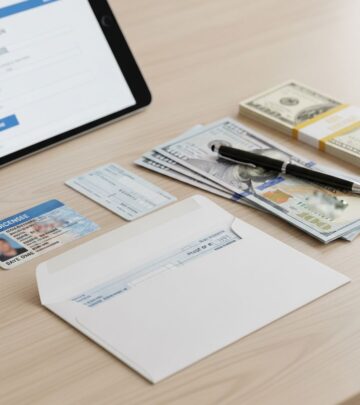
Opening an account demands specific identification to verify identities and comply with federal regulations. Gather these essentials:
- Child’s full name, birth date, and Social Security Number (SSN) or Individual Taxpayer Identification Number (ITIN).
- Parent/guardian’s SSN, government-issued photo ID (driver’s license, passport), and contact details.
- Proof of address (utility bill or similar) and initial deposit if mandated, often minimal like $5-$25.
- For branch openings, child’s birth certificate or passport may substitute for SSN in some cases.
Online applications suit older kids but often require in-branch for under-18s at places like Wells Fargo. Credit unions like IMCU need membership first, plus routing details for linked accounts.
Step-by-Step Process to Get Started
Follow this streamlined guide to establish an account efficiently.
- Research Institutions: Compare fees, minimums, and kid-friendly features like apps or educational tools.
- Choose Account Type: Decide on custodial for future assets or joint for hands-on learning.
- Prepare Documents: Collect all IDs and funds.
- Apply: Online where possible (e.g., Chase for qualifying customers) or visit a branch—preferred for teaching moments.
- Fund and Activate: Deposit initial amount; order debit card if available.
- Educate and Monitor: Involve the child, set goals, and track via statements.
For teens with jobs, upgrade to direct deposit-compatible accounts like safebalance options.
Key Features to Prioritize in Kid Accounts
Select accounts minimizing barriers to entry while maximizing learning.
| Feature | Benefits | Examples |
|---|---|---|
| No Monthly Fees | Avoids penalties for low balances, ideal for allowance-based saving. | IMCU minor savings, Chase First Banking. |
| Low/No Minimum Balance | Starts with $5; prevents closure. | PNC youth accounts. |
| Debit Card Access | Teaches spending control; often free affinity cards. | Wells Fargo teen options. |
| Digital Tools | Apps for tracking, eStatements, parental controls. | Citi family banking. |
| Educational Resources | Guides on budgeting, goals; online banking for 13+. | Bank of America student progression. |
Look for teen upgrades (13+) allowing individual management with co-owner.
Building Financial Literacy Through Banking
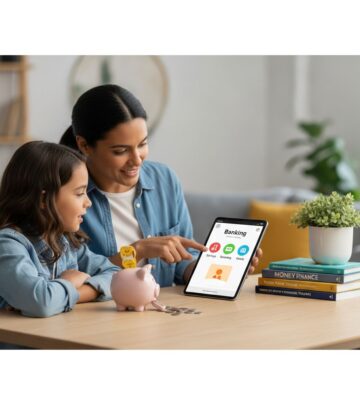
Beyond setup, use accounts to instill habits. Start young: for ages 6-12, focus on saving toys; teens learn deposits, taxes. Involve kids in applications to build ownership.
Strategies include matching deposits for chores, goal-setting for big purchases, and reviewing statements together. Programs like Jumpstart cards introduce credit basics safely. Transition at 18 to independent accounts.
Potential Challenges and Solutions
Common hurdles: state variations, online limits for minors, fee risks. Solutions—consult state banking depts; prefer branches initially; choose no-fee options. Overdrafts? Opt for balance-protected accounts.
Frequently Asked Questions
Can a child under 13 open a savings account?
Yes, with an adult co-owner required; under-13s can’t open solo.
Do I need a Chase account for kid banking?
Yes, Chase First requires linking to a qualifying parent checking.
What’s the difference between custodial and joint?
Custodial transfers full control at maturity; joint allows ongoing shared use.
Can minors have checking accounts?
Typically joint; some banks offer debit-only for spending lessons.
How to close or convert at 18?
Many auto-convert or allow easy upgrade to adult accounts.
Empowering kids with early banking lays foundations for wealth-building. Start small, stay involved, and watch habits flourish.
References
- How Old Do You Have to Be to Open a Bank Account? — PNC Insights. 2023. https://www.pnc.com/insights/personal-finance/spend/how-old-to-open-a-bank-account.html
- Is It Possible to Open a Bank Account for a Child? — Indiana Members Credit Union. 2024. https://www.imcu.com/blog/is-it-possible-to-open-a-bank-account-for-a-child
- How to Open a Bank Account for a Minor — Citi. 2025. https://www.citi.com/banking/personal-banking-guide/basic-finance/how-to-open-a-bank-account-for-minor
- Statutory Requirements for Opening Bank Accounts for Minors — Conference of State Bank Supervisors. 2016-07-01. https://www.csbs.org/statutory-requirements-opening-bank-accounts-minors
- Bank Account Options for Kids, Teens, Students & Young Adults — Bank of America. 2025. https://info.bankofamerica.com/en/student-banking/banking-accounts
- Student and Kids Savings Account — Wells Fargo. 2025. https://www.wellsfargo.com/savings-cds/kids/
- Chase First Banking: Debit Card for Kids and Teens — Chase. 2025. https://personal.chase.com/personal/first-banking/
Similar Articles








Read full bio of medha deb