Open Secrets: Surprising Things Your Spending Reveals
Your everyday purchases tell a story about your habits, values, and financial health that you might not realize.
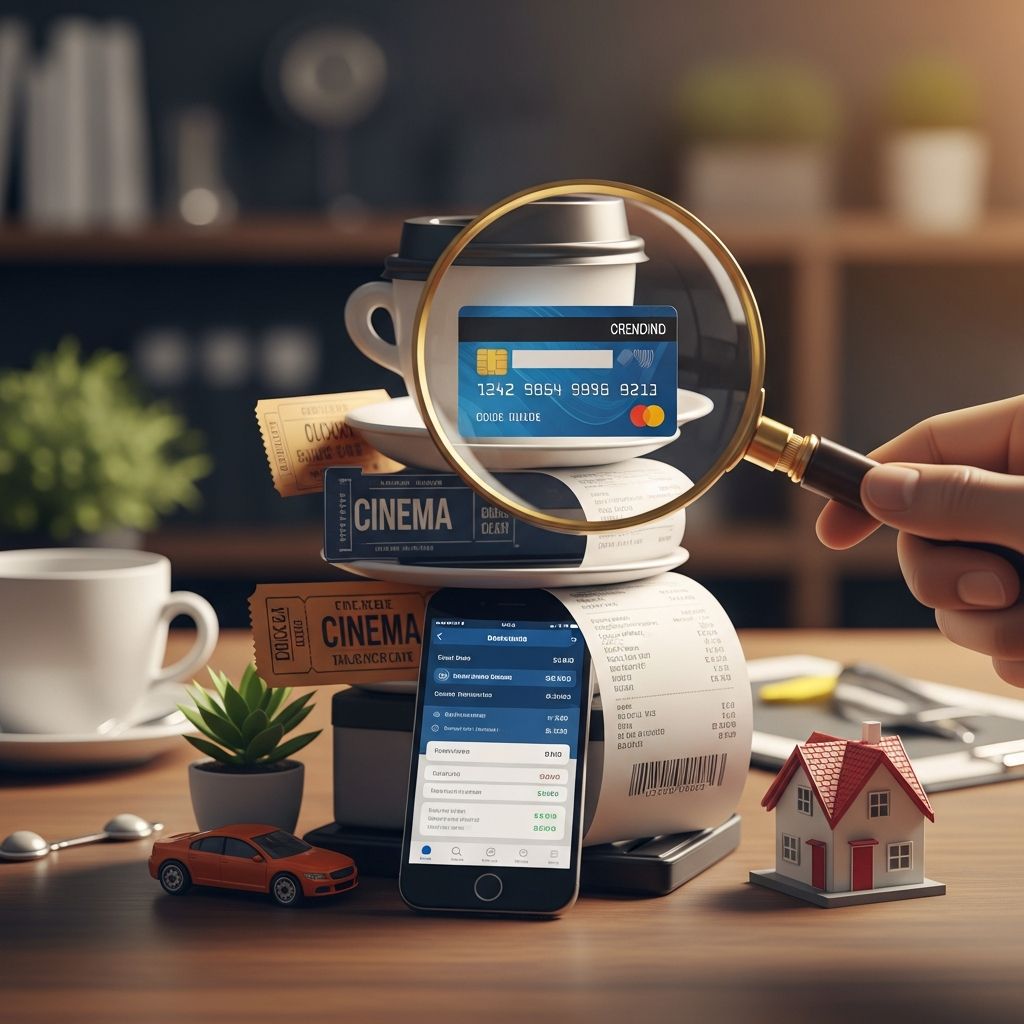
Your wallet might be spilling more secrets than you think. Every purchase, from coffee runs to big-ticket buys, paints a picture of your lifestyle, priorities, and even vulnerabilities. While you control your spending, the patterns in your transactions reveal insights to marketers, lenders, and even thieves. This article explores 15 surprising things your spending discloses, backed by financial research and expert analysis, helping you spend smarter and protect your privacy.
Your Income Level and Stability
Spending patterns are a dead giveaway for your income bracket. Frequent luxury purchases like high-end electronics or designer clothes signal above-average earnings, while consistent discount store visits suggest a tighter budget. According to consumer behavior studies, transaction data allows lenders to estimate income with 80-90% accuracy by analyzing merchant categories.
Stability shows in bill payments and recurring charges. Late utility payments or overdraft fees hint at cash flow issues, whereas steady mortgage or rent payments indicate reliability. Banks use this data for credit scoring, where consistent spending correlates with lower default risk.
- High-end grocery stores vs. budget chains: Reveals disposable income.
- Frequent travel bookings: Suggests financial flexibility or job perks.
- Payday loan apps: Flags short-term money crunches.
Family Size and Life Stage
Groceries tell family tales. Bulk diaper buys or multiple kids’ clothing items scream growing family, while single-serve meals point to solo living. Data aggregators like those used by insurers track these to profile demographics, influencing everything from ad targeting to premium rates.
Life stage leaks from big shifts: wedding registry items precede honeymoons, baby gear follows, and empty-nest patterns emerge with downsized homes or travel spikes. A Federal Reserve study on household expenditure notes that family composition directly predicts spending categories with high precision.
| Spending Clue | Revealed Life Stage |
|---|---|
| Baby formula, strollers | New parents |
| Bridal magazines, rings | Engaged/couples |
| Senior discounts, meds | Retirees |
Health and Lifestyle Habits
Pharmacy receipts betray health secrets. Regular prescriptions for cholesterol meds or antidepressants reveal ongoing conditions. Gym memberships and organic produce signal fitness focus, while fast food dominance suggests poorer habits. Health insurers scrutinize these for risk assessment, as spending on tobacco or alcohol correlates with higher claims.
Lifestyle vices are obvious: daily lottery tickets indicate risk-taking, while vaping supplies show modern habits. Even coffee loyalty cards expose routines—Starbucks vs. Dunkin’ might hint at urban professional vs. blue-collar.
- Vape shops, cigarettes: Nicotine dependency.
- Yoga mats, supplements: Wellness enthusiast.
- Craft beer subscriptions: Social drinker.
Political and Social Leanings
Donations and event tickets expose beliefs. Contributions to specific PACs or attendance at rallies via ticket purchases map ideologies. Bookstore buys—progressive memoirs vs. conservative manifestos—further profile you. Studies from JSTOR on consumer preferences show spending aligns with values, aiding targeted political ads.
Charity choices reveal heart: environmental NGOs vs. religious groups. Even pet spending—exotic foods for rescue animals—signals compassion levels.
Work Schedule and Job Type
Transaction times reveal routines. Midnight snack runs post-late shifts suggest night work; weekday lunch deals indicate office jobs. Ride-share surges during rush hours flag commuters. Gig economy workers show erratic patterns from apps like Uber Eats.
Job perks leak too: frequent airport lounges for business travelers, or tool rentals for contractors. Wise Bread notes how spending timing exposes professional life.
Travel Frequency and Preferences
Airline miles and hotel bookings scream wanderlust. Frequent international flights mark affluent adventurers; domestic road trip gas stops suggest budget explorers. Rental car patterns reveal solo vs. family travel.
Destination choices expose tastes: Vegas for gamblers, Europe for culture buffs. Data brokers sell this to tourism boards.
Hobbies and Interests
Hobby stores are confessionals. Golf gear for executives, gaming consoles for youth, knitting supplies for retirees. Streaming subscriptions—Netflix binges vs. niche documentaries—detail entertainment tastes.
- Craft beer tours: Foodie hobbyist.
- Sports memorabilia: Fanatic supporter.
- Art supplies: Creative soul.
Brand Loyalty and Social Status
Repeat buys at Apple or Tesla stores signal status seekers. Budget brands like Walmart show practicality. Luxury vs. thrifty reveals class aspirations. Consumer research ties brand choice to perceived social standing.
Financial Risk Tolerance
Crypto exchanges or stock trading apps indicate risk appetite. Conservative savers stick to CDs; gamblers hit casinos. Payday loans scream high-risk behavior.
Shopping Addiction Warning Signs
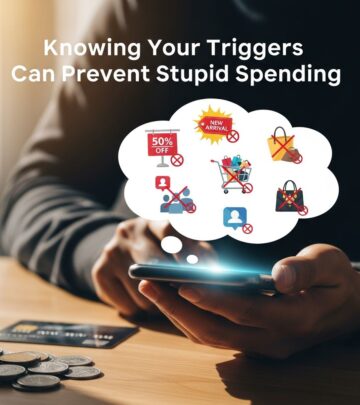
Impulse buys pile up: daily takeout, endless online carts. Return-heavy patterns flag buyer’s remorse. Debt cycles from credit card swipes expose addiction.
Relationship Status and Dynamics
Couple spa days or joint jewelry suggest partnerships. Solo fine dining might mean single life. Gift cards to exes? Recent breakup.
Educational Background
Textbooks or online courses reveal pursuits. Ivy League merch hints at alumni status. Museum memberships signal cultured education.
Religious and Cultural Affiliations
Tithing to churches, festival foods for holidays. Kosher markets or halal butchers expose faiths.
Pet Ownership and Type
Premium kibble for large breeds; toys for exotics. Vets bills reveal devoted owners.
Security Risks from Spending Data
All this data fuels identity theft. Oversharing receipts or public transactions invites scams. Protect with virtual cards and monitoring.
How to Control What Your Spending Reveals
Audit expenses monthly. Use cash for privacy. Diversify brands. Freeze credit. Budget apps anonymize habits.
Frequently Asked Questions (FAQs)
What does my coffee spending reveal?
Daily $5 lattes suggest routine indulgence and potential $150+ monthly habit, signaling disposable income or poor budgeting.
Can spending data affect my insurance rates?
Yes, auto and health insurers use it for risk profiling, like speeding tickets via tolls or vices via purchases.
How do I hide my spending patterns?
Use prepaid cards, shop locally, vary merchants, and opt out of data sharing where possible.
Does online shopping reveal more?
Absolutely—browsing history plus buys create detailed profiles sold to advertisers.
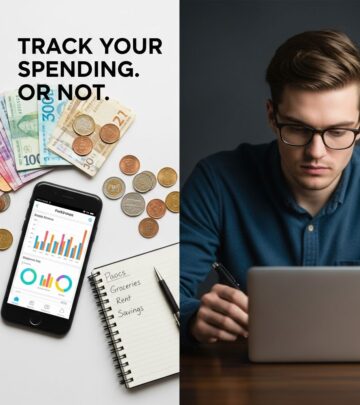
Is tracking my own spending helpful?
Yes, it uncovers blind spots, like unnoticed subscriptions draining $50-100 monthly.
References
- 25 Dumb Habits That Are Keeping You in Debt — Wise Bread. 2015-06-15. https://www.wisebread.com/25-dumb-habits-that-are-keeping-you-in-debt
- Why do many consumers prefer to pay now when they could pay later? — JSTOR. 2020-01-01. https://www.jstor.org/stable/48585761
- I’m getting a big raise – how should I manage my money? — Ask a Manager. 2013-06-01. https://www.askamanager.org/2013/06/im-getting-a-big-raise-how-should-i-manage-my-money.html
- Best Money Tips: Change Spending Habits to Increase Your Income — Wise Bread. 2022-05-10. https://www.wisebread.com/best-money-tips-change-spending-habits-to-increase-your-income
Similar Articles








Read full bio of Sneha Tete