Open House: Definition, Purpose, and Real Estate Benefits
Understanding open houses: A complete guide to real estate's most effective marketing strategy.
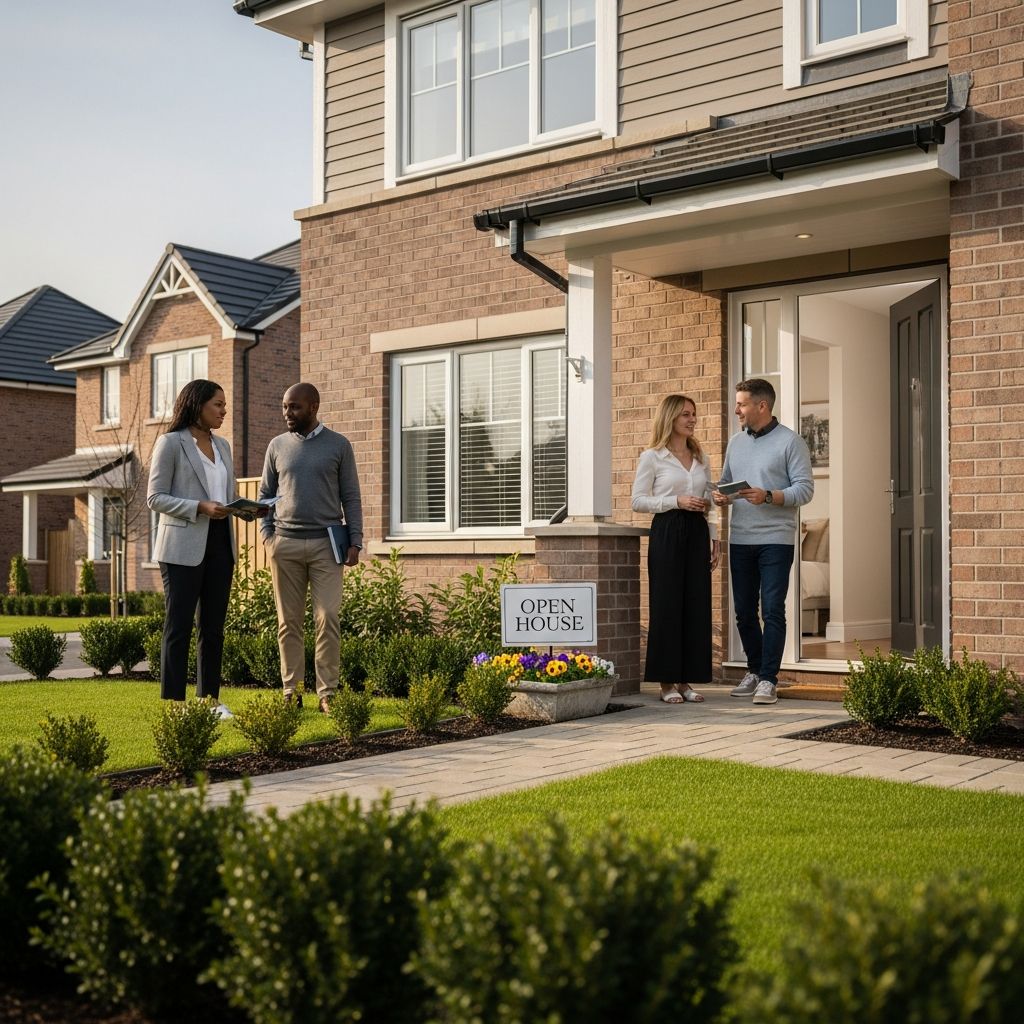
What Is an Open House?
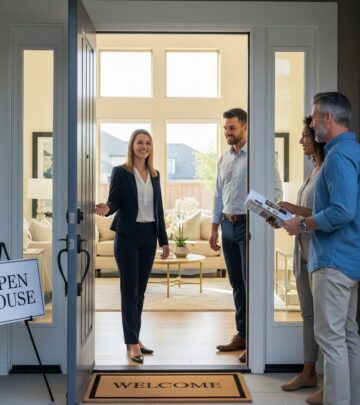
An open house is a scheduled period during which a property is open to the public for inspection and viewing, typically without requiring an appointment. This real estate marketing strategy allows prospective buyers to walk through a residential or commercial property at their convenience during designated hours. Open houses are commonly held on weekends and last anywhere from one to four hours, providing an informal environment where potential buyers can explore the property and ask questions of the real estate agent or homeowner.
The concept has become a staple in the real estate industry, serving as a cost-effective way to generate interest in properties and attract qualified buyers. Unlike scheduled private showings where appointments must be arranged in advance, open houses eliminate the need for individual coordination and allow multiple interested parties to view the property simultaneously.
Understanding the Open House Concept
An open house operates on a simple principle: make the property accessible to anyone interested in viewing it during specified hours without prior arrangement. This approach differs significantly from traditional home showings, where each viewing requires coordination between the seller’s agent, buyer’s agent, and the property owner.
The fundamental purpose of an open house is to maximize exposure and create opportunities for spontaneous inquiries from serious buyers who may be in the neighborhood or casually searching for properties. By removing barriers to entry, sellers increase foot traffic and the likelihood of finding genuinely interested purchasers.
Key Characteristics of Open Houses
- Scheduled for convenient times, typically weekend afternoons
- Open to the public without appointment requirements
- Staffed by real estate agents or the homeowner to provide information
- May include refreshments, brochures, and property information sheets
- Allow visitors to move through the home independently or with agent guidance
- Usually last one to four hours depending on market conditions and agent preference
Benefits for Sellers
Open houses offer numerous advantages for property sellers looking to maximize their chances of a successful sale.
Increased Property Exposure
By hosting an open house, sellers dramatically increase the visibility of their property beyond online listings and traditional marketing efforts. While online platforms and agent networks are valuable, open houses attract walk-in buyers who may not have formally started their search or who live nearby and are curious about the property.
Cost-Effective Marketing
Compared to other marketing strategies such as paid advertising campaigns or extensive print materials, open houses represent a relatively low-cost method of attracting potential buyers. The primary expenses involve preparing the property, agent time, and minimal promotional materials like signage.
Quick Market Feedback
Open houses provide immediate and valuable feedback from potential buyers. Agents can observe which areas attract attention, gather comments about pricing, and identify common concerns or objections. This information helps sellers understand how their property compares to others in the market and informs negotiations.
Creating Urgency and Competition
When multiple interested buyers view the property simultaneously, it creates a sense of competition that can motivate offers. Buyers may worry that other visitors might submit an offer first, encouraging them to act quickly.
Benefits for Buyers
Open houses are equally beneficial for individuals searching for their next home.
Convenience and Flexibility
Buyers appreciate the flexibility of viewing homes without scheduling appointments. This is particularly valuable for those with busy schedules or who prefer to casually explore neighborhoods and available properties.
Multiple Property Viewing
During a single outing, buyers can visit multiple open houses in the same area, allowing them to compare properties side-by-side and assess various options efficiently.
Direct Agent Interaction
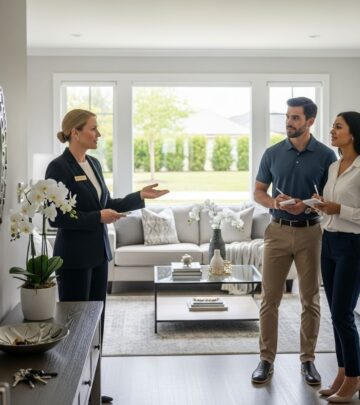
Open houses provide opportunities for buyers to interact directly with real estate agents, ask detailed questions about the property and neighborhood, and potentially discuss financing or negotiation strategies.
Neighborhood Exploration
Attending open houses allows buyers to explore different neighborhoods, understand local amenities, observe traffic patterns, and get a feel for an area before committing to serious home searches.
How Open Houses Work
Understanding the mechanics of an open house helps both sellers and buyers know what to expect.
Preparation Phase
Before hosting an open house, sellers prepare their property to make the best possible impression. This includes deep cleaning, decluttering, staging furniture, and ensuring the home is well-lit and welcoming. Many sellers also arrange for minor repairs and fresh paint to enhance curb appeal.
Marketing and Promotion
Real estate agents promote the open house through multiple channels, including the Multiple Listing Service (MLS), real estate websites, social media, email marketing, and traditional signage. Effective marketing begins at least one week before the scheduled date.
Day-of Execution
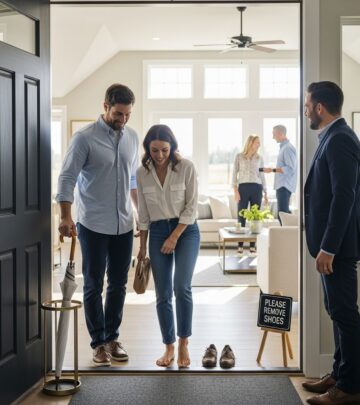
On the day of the open house, agents arrive early to ensure the property is immaculate, set out refreshments, place directional signage, and prepare information packets. Sellers typically vacate the property to avoid making buyers uncomfortable. The agent remains present to answer questions, provide tours, and collect contact information from interested visitors.
Post-Event Follow-up
After the open house concludes, agents follow up with visitors who expressed serious interest. They send thank-you messages, provide additional property information, and attempt to convert casual visitors into qualified buyers.
Open House Strategy and Best Practices
Success with open houses requires strategic planning and execution.
Optimal Timing
Most successful open houses occur on Saturday or Sunday afternoons between 1:00 PM and 4:00 PM, when most people have free time. However, the optimal timing depends on the local market, property type, and target demographic.
Duration
Most agents recommend hosting open houses for two to three hours. This allows adequate time for visitors to tour the property without requiring an excessive agent commitment.
Property Presentation
Successful open houses require impeccable property presentation. This includes:
- Professional landscaping and maintained exterior
- Clean, neutral-colored walls and freshly polished floors
- Minimal personal items and family photographs
- Pleasant scents, such as fresh flowers or light cooking aromas
- Well-lit rooms with curtains or blinds adjusted appropriately
- Temperature control set to comfortable levels
- Music playing softly in the background
Marketing and Promotion
Effective promotion is crucial for attracting visitors. Agents should leverage all available channels, including online listings, real estate portals, social media platforms, email lists, and traditional advertising methods. High-quality photography and virtual tours can significantly increase interest.
When Open Houses Work Best
Open houses are most effective under specific market conditions and circumstances.
Buyer’s Markets: When there is excess inventory and buyer demand is lower, open houses help generate interest and differentiate a property from competitors.
Entry-Level Properties: First-time buyers often attend open houses to explore neighborhoods and understand market conditions, making these events particularly valuable for moderately priced homes.
Attractive Properties: Homes with strong curb appeal, desirable locations, or recent renovations benefit most from open houses because their positive attributes immediately attract visitors.
New Listings: Open houses are most effective during the first few weeks after a property hits the market when curiosity and media attention are highest.
When Open Houses May Be Less Effective
Certain situations may make open houses less beneficial:
- Seller’s Markets: When inventory is limited and demand is high, motivated buyers often work directly with agents rather than attending open houses
- Luxury Properties: High-end homes typically require private showings to ensure serious, qualified buyers
- Problem Properties: Properties with significant issues may benefit from targeted private showings rather than broad public exposure
- Security Concerns: In some cases, sellers may prefer not to open their homes to unknown visitors
Technology and Virtual Open Houses
Modern technology has expanded open house options beyond traditional in-person events. Virtual open houses conducted through video tours, 3D walkthroughs, and live streaming allow potential buyers to explore properties remotely. This approach expands reach to buyers who cannot visit in person and appeals to those preferring digital-first property searches.
Frequently Asked Questions
Q: What should I wear to an open house?
A: Wear comfortable, casual clothing that allows you to walk through the property easily. Comfortable shoes are particularly important since you may be viewing multiple homes.
Q: Do I need to provide personal information at an open house?
A: Most agents request contact information to follow up with interested buyers. However, you can choose to provide limited information or decline to share details if you prefer privacy.
Q: Can I make an offer at an open house?
A: While you can express serious interest at an open house, formal offers are typically made through your real estate agent after further consideration and inspection.
Q: How long does an open house typically last?
A: Most open houses last between two and three hours, though some may be shorter or longer depending on agent preference and market conditions.
Q: Should sellers remain in the home during an open house?
A: No, it’s generally recommended that sellers leave the property during open houses to allow buyers to feel comfortable and explore freely without awkwardness.
Q: How many people typically attend an open house?
A: Attendance varies widely based on location, property type, market conditions, and marketing efforts. A successful open house might attract 20-40 visitors, though this can range significantly.
Conclusion
Open houses remain a valuable tool in the real estate industry, offering benefits for both sellers seeking to market their properties effectively and buyers exploring available options. By understanding how open houses work, when they are most effective, and how to maximize their potential through strategic planning and execution, both parties can leverage this traditional marketing approach successfully. As the real estate market continues to evolve with technological advances, open houses are adapting to include virtual components while maintaining their relevance as an accessible way to connect buyers with properties.
References
- National Association of Realtors – What Buyers and Sellers Need to Know — National Association of Realtors (NAR). Accessed November 2025. https://www.nar.realtor/
- Real Estate Marketing Strategies: The Complete Guide — U.S. Department of Housing and Urban Development (HUD). Accessed November 2025. https://www.hud.gov/
- Effective Home Staging and Open House Management — National Association of Real Estate Brokers (NAREB). 2024. https://www.nareb.com/
- Consumer Guide to Real Estate Transactions — Federal Trade Commission (FTC). 2024. https://www.ftc.gov/
- Virtual and Traditional Real Estate Marketing Methods — Real Estate Standards Organization. 2025. https://www.realestatestandards.org/
Similar Articles








Read full bio of Sneha Tete