Open House Etiquette: 10 Essential Do’s And Don’ts
Master open house etiquette to make a positive impression and find your dream home.
Open House Etiquette for Home Buyers
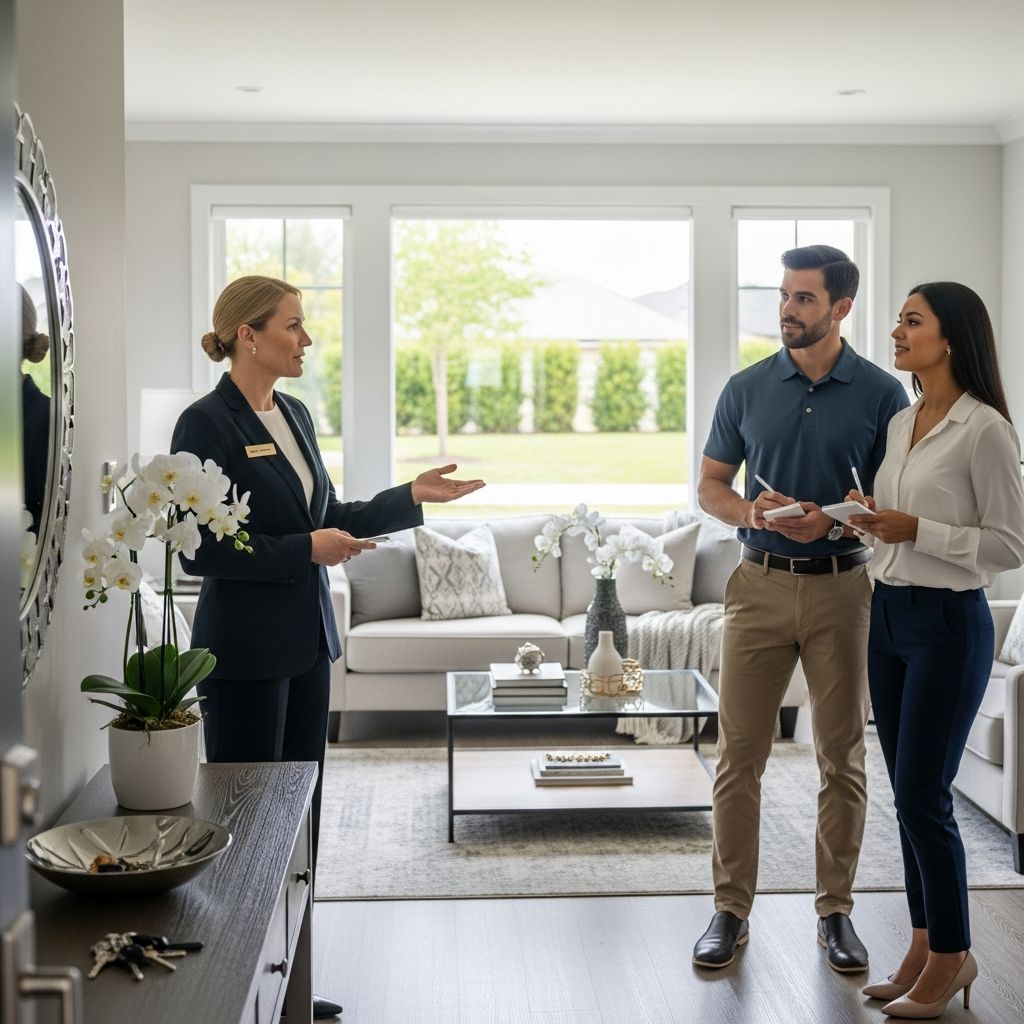
Attending an open house is an excellent opportunity to explore potential properties and get a feel for different neighborhoods. However, navigating these showings requires understanding basic etiquette that respects both the seller’s home and the listing agent’s time. Whether you’re a serious buyer or simply curious about the local market, knowing how to conduct yourself during an open house can significantly impact your experience and how you’re perceived as a potential buyer.
Arriving at the Right Time
One of the most fundamental aspects of open house etiquette is arriving during the designated time window. Open houses are advertised with specific hours, and arriving within this timeframe demonstrates respect for the seller’s schedule and the listing agent’s planning. Avoid showing up right before the open house ends, as this leaves you feeling rushed and unable to properly explore the property. By arriving early enough to comfortably tour the home, you’ll have adequate time to examine all rooms, ask questions, and form a genuine impression of the space.
If you find yourself running late or need to reschedule, communication is key. Reach out to the listing agent in advance to let them know your situation. This professional approach shows consideration and may allow you to arrange an alternative viewing time if the agent is available.
Greeting the Listing Agent
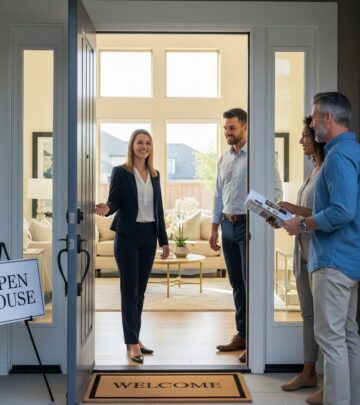
Upon entering the property, take a moment to introduce yourself to the listing agent and sign the guest book if one is provided. This simple gesture serves multiple purposes: it helps the agent track who visited the home, ensures you can receive future updates about the property, and establishes a positive interaction from the start. A warm, polite greeting sets the tone for your entire visit and shows professionalism.
When signing in, provide your contact information honestly. Be upfront about your intentions—whether you’re a serious buyer actively looking for a home or simply exploring out of curiosity or neighborhood interest. Agents appreciate honesty and are more likely to provide better service and information to those who are transparent about their purpose. If you’re represented by your own agent, mention this as well, as it affects how potential offers would be handled.
Respecting the Seller’s Space
Remember that you are entering someone’s personal home, not a model showroom. This fundamental principle should guide your behavior throughout the open house. Avoid touching personal belongings, family photos, or items displayed on shelves and surfaces. Don’t open drawers, cabinets, or closets without permission, except for those areas that are clearly designated for inspection, such as kitchen storage or bedroom closets.
It’s perfectly acceptable to check closets, cabinets, and storage spaces since buyers routinely want to assess storage capacity, but do so thoughtfully and carefully. Don’t rummage through the homeowner’s personal items or investigate private spaces like medicine cabinets or personal office areas. Consider whether you’d want strangers examining your belongings in the same way. Additionally, if there are rooms or areas marked as off-limits or closed, respect these boundaries completely.
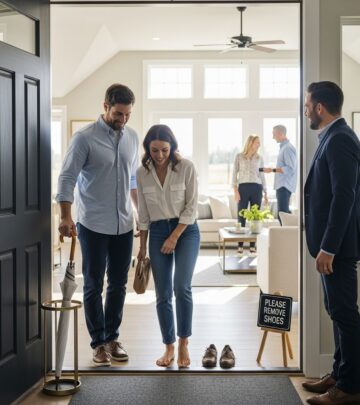
Protecting the physical integrity of the home is equally important. Wipe your feet at the entrance, and if shoe covers or booties are provided, use them to prevent tracking dirt or mud throughout the property. Only remove your shoes if specifically requested by the host or if there’s a posted sign instructing you to do so. Avoid bringing food or drinks inside unless explicitly permitted, as spills can damage floors, carpets, or furniture.
Timing Your Questions Appropriately
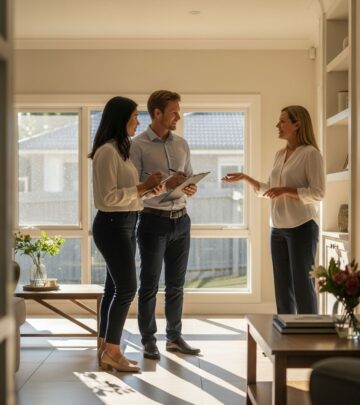
While it’s natural and encouraged to have questions about the home, timing is crucial. If the agent is currently engaged with other visitors or speaking with someone else, wait patiently until they’re available rather than interrupting. This ensures that everyone receives proper attention and maintains a smooth flow of information sharing. When you do have an opportunity to ask questions, be concise and focused.
Before attending an open house, write down your specific questions about the property that haven’t been answered through the listing or your own research. Prioritize these questions mentally so that if you only get brief moments with the agent, you can ask the most important ones. Consider inquiring about the home’s age, recent improvements or updates such as a new roof or furnace, how long the property has been on the market, and the seller’s motivation to sell. These details can help you assess the property’s true condition and market competitiveness.
Maintaining a Positive Tone
Even if you have reservations about the home’s décor, layout, or condition, keep negative comments to yourself while inside the property. Avoid making disparaging remarks about the seller’s furniture choices, paint colors, or design decisions. Even though the seller may not be physically present, it’s best to remain respectful, as your comments might be overheard or reported back.
If you have concerns or observations about the home’s condition or layout, note them privately or mentally so you can discuss them later with your own agent. This allows you to maintain professionalism during the showing while still gathering all the information you need to make an informed decision. Remember that many sellers will be viewing video of your visit or hearing reports from the agent, so maintaining a respectful demeanor throughout is important for everyone involved.
Professional Behavior and Dress
Your appearance and conduct at an open house communicate your seriousness as a potential buyer. Dress comfortably but appropriately—you don’t need to wear formal business attire, but avoid overly casual or sloppy clothing that might suggest you’re not genuinely interested in purchasing. Wear comfortable, clean shoes that are appropriate for walking through a home, as you’ll likely be visiting multiple properties and spending considerable time on your feet.
Keep your behavior considerate throughout the showing. Don’t monopolize the agent’s time, especially if other guests are present. Be mindful of other potential buyers touring the home at the same time, and avoid eavesdropping on their conversations with the agent. Demonstrating respect for everyone involved—the agent, seller, and other visitors—reflects well on you as a buyer and creates a positive experience for all.
Managing Duration and Photography
The average open house visit typically lasts 15 to 30 minutes. Stay long enough to develop a comprehensive sense of the property and explore all relevant areas, but avoid overstaying once you’ve completed your tour. Lingering unnecessarily can be perceived as intrusive and makes the agent’s job more difficult.
Regarding photography, many sellers and agents prefer that visitors don’t take photos during open houses. Before snapping pictures, ask the agent for permission. In many cases, professional listing photos are already available, and the agent can send you additional images if needed. If you want documentation of the property, request the MLS listing information sheet, which contains essential details about the home including the number of bedrooms and bathrooms, the home’s age, schools in the area, and other important facts.
Interacting With the Seller
If the seller is present during the open house, it’s polite to greet them warmly and introduce yourself. However, most substantive questions should be directed to the listing agent rather than the seller directly. This keeps the process professional and prevents awkward discussions about price, condition, or other sensitive topics that could compromise your negotiating position later. The listing agent is trained to handle inquiries professionally and can provide detailed information while protecting the seller’s interests and your own.
Obtaining Property Information
Before leaving the open house, make sure you have all the information you need. Typically, the agent will have flyers or Multiple Listing Service (MLS) printouts available that you can take. These documents contain valuable details that will help you remember the property and make comparisons with other homes you’ve visited. Ask the agent for any additional information you couldn’t find during your tour, and don’t hesitate to request clarification on specific features or systems in the home.
Before and After Your Visit
Preparation is key to making the most of your open house experience. Research the property online before attending so you arrive with informed questions and know what to expect. Make mental or written notes about your priorities—the features and amenities that are most important to you—so you can objectively assess whether the home meets your needs.
After leaving the open house, take time to reflect on your experience while it’s fresh in your mind. Review any notes or photos you took, and consider how the home compares to other properties you’ve viewed. If you’re working with an agent, discuss your impressions and any concerns you noted during your visit.
Special Considerations for Different Visitor Types
Open houses often attract a mix of visitors—serious buyers, curious neighbors, and those simply exploring the market. Regardless of your reason for attending, being upfront with the agent about your intentions is essential. If you’re a neighbor interested in local real estate trends or someone casually looking, let the agent know. Many agents and other potential buyers value insights from neighbors about traffic patterns, schools, shopping areas, and other neighborhood characteristics. Your honest communication helps everyone have a better experience.
Making a Positive Impression
By following these open house etiquette guidelines, you position yourself as a professional, respectful potential buyer. Agents and sellers notice how visitors conduct themselves, and maintaining impeccable behavior throughout your tour can actually strengthen your position if you decide to make an offer later. Your politeness, respect, and professionalism demonstrate that you’re serious about finding the right home and that you can be trusted to handle the subsequent negotiations and purchase process with integrity.
Summary of Key Do’s and Don’ts
| Do’s | Don’ts |
|---|---|
| Arrive on time during designated hours | Show up right before closing time |
| Greet the agent and sign the guest book | Ignore or bypass the agent entirely |
| Respect boundaries and off-limit areas | Rummage through drawers or personal items |
| Wipe your feet and use shoe covers if provided | Track dirt or debris through the home |
| Ask focused, relevant questions when the agent is available | Monopolize the agent’s time or interrupt them |
| Keep conversations and comments positive | Make negative remarks about décor or layout |
| Dress appropriately and professionally | Wear overly casual or sloppy clothing |
| Ask permission before taking photographs | Photograph without consent |
| Stay 15-30 minutes for a thorough tour | Linger excessively after completing your tour |
| Be honest about your intentions and buyer status | Misrepresent your purpose for visiting |
Frequently Asked Questions
Q: Is it acceptable to show up to an open house without the agent knowing I’m coming?
A: Yes, open houses are designed for walk-in guests. However, once you arrive, you should introduce yourself to the agent and sign the guest book to ensure proper communication and documentation.
Q: Can I bring my children to an open house?
A: Yes, children are generally welcome, but keep them close and supervised to prevent them from touching items or wandering into off-limit areas. This protects both the property and ensures your children don’t disturb other visitors.
Q: Should I remove my shoes when entering an open house?
A: Only remove your shoes if the host or a posted sign specifically requests it. Use shoe covers or booties if provided. Automatically removing your shoes implies a level of familiarity you shouldn’t assume as a guest.
Q: What should I do if I want to make an offer after an open house?
A: If you’re interested in making an offer, ask the listing agent for information about next steps and timing. If you have your own agent, they can help facilitate the offer process and ensure all negotiations proceed professionally.
Q: How long should I spend at an open house?
A: Plan to spend 15 to 30 minutes at an open house. This allows sufficient time to view all areas and gather information without overstaying your welcome.
Q: Is it okay to ask the seller direct questions about the property condition?
A: While it’s polite to greet the seller if they’re present, direct most substantive questions to the listing agent. This maintains professionalism and prevents awkward conversations about sensitive topics like price or condition issues.
Q: Can I post pictures of the open house property on social media?
A: Always ask the agent’s permission before taking any photographs. Many sellers prefer that photos not be shared publicly, so respect their privacy preferences if they decline or request limitations.
Q: What if I’m just curious about the neighborhood and not seriously looking to buy?
A: Be honest with the agent about your intentions. Let them know you’re exploring the neighborhood or just browsing. Transparency is appreciated and allows the agent to better focus their efforts on serious buyers.
References
- 8 Open House Etiquette Tips Every Buyer Should Know — Redfin. 2024. https://www.redfin.com/blog/open-house-etiquette/
- Open House Etiquette for Homebuyers — The Jim Allen Group. 2024. https://www.jimallen.com/open-house-etiquette/
- Open House Etiquette – Buyers and Sellers — Sheffield Homes. 2024. https://sheffieldhomes.com/sheffield-homes-blog/open-house-etiquette
- The (near) Complete Guide to Open House Etiquette for Buyers — Realty Collective. 2024. https://realtycollective.com/the-near-complete-guide-to-open-house-etiquette-for-buyers/
Similar Articles








Read full bio of Sneha Tete