Open Banking: Definition, How It Works, and Benefits
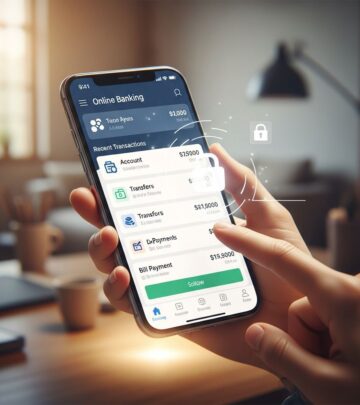
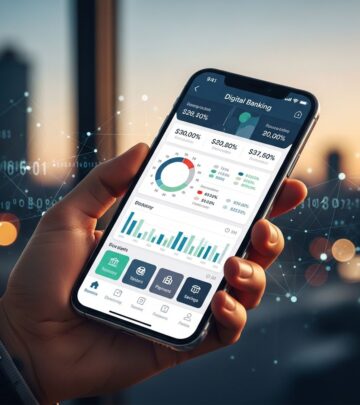
Understanding open banking: secure financial data sharing through APIs revolutionizing finance.

Open banking represents a fundamental shift in how financial data flows across the banking industry. Traditionally, financial institutions maintained strict control over customer data, keeping it siloed within their own systems. This limitation created significant barriers for consumers seeking to access, manage, or share their financial information. Today, open banking is dismantling these barriers by enabling secure, consumer-permissioned data sharing across the financial ecosystem, fundamentally reshaping how people interact with their money.
Open banking is defined as a system that allows consumers to securely share their banking, transaction, and financial data with third-party providers through standardized application programming interfaces (APIs). With explicit consumer permission, banks, fintech companies, and other financial institutions can exchange data in real time, creating a more connected, transparent, and efficient financial landscape. This technological infrastructure enables innovation and empowers consumers to take greater control over their financial lives.
Understanding the Core Definition of Open Banking
At its foundation, open banking facilitates the structured and secure consumer-permissioned sharing of financial data via open banking APIs between financial service providers. Unlike traditional banking models where data remained locked within institutional walls, open banking breaks down these silos and allows authorized third parties to access financial information when consumers grant permission.
The key distinction that defines open banking is that this data sharing is bi-directional. Financial institutions and fintech companies both receive and share data through APIs, setting them up to unlock new value from financial information and fostering innovation across the sector. This mutual exchange of data helps create new revenue opportunities while providing consumers with enhanced financial services and experiences.
For example, a budgeting application can use open banking to access a customer’s spending history and automatically categorize transactions, allowing users to see exactly how much they spend on groceries, dining, or utilities each month. Similarly, a lending platform can retrieve real-time income and cash-flow data to conduct more accurate underwriting processes, potentially offering better loan terms to qualified borrowers.
How Open Banking Technology Works
Open banking is primarily driven by API connectivity, which enables financial institutions and fintech companies to securely and seamlessly share financial data. An application programming interface (API) is software that allows different programs to share data securely. In the open banking context, APIs provide a standardized, secure way for consumers to connect their bank accounts to various financial services including budgeting apps, investment platforms, and payment processors.
The Three Types of Open Banking APIs
Open banking utilizes three main categories of APIs, each serving distinct purposes:
Data APIs provide read-only access to account information, balances, and transaction history. These allow third-party applications to view financial data without making changes to accounts.
Transaction APIs enable fund transfers, direct debits, and payment services, allowing authorized applications to move money and process transactions on behalf of consumers.
Product APIs allow third parties to list financial products, rates, and terms. These are often used for comparison websites or financial marketplaces where consumers can evaluate different offerings.
The Open Banking Process: Step-by-Step
Account Aggregation: Open banking enables account aggregation from multiple banks within a single application. Consumers can view all their financial accounts—checking, savings, investment, credit card—in one unified dashboard.
Customer Authentication: When a user wants to fund their brokerage account or connect a service, the application prompts them to authenticate with their bank by entering their login credentials. Once verified, the bank generates an encrypted API token that uniquely identifies the customer but does not expose their actual credentials. This tokenization approach significantly enhances security.
Data Access and Transactions: After authentication, the aggregator accesses the permissioned data from the bank and generates a second token, which the third-party application uses to make API calls to the aggregator for financial data. Each time a transaction occurs—whether funding a brokerage account or withdrawing money—the app requests updated account information via the aggregator, which fetches the necessary data from the bank’s API.
This sophisticated tokenized system improves the security of open banking data while reducing risks and enabling users to manage their money efficiently across different financial platforms.
Who Uses Open Banking?
Open banking platforms are utilized by a diverse range of businesses and consumers to simplify financial transactions, enhance security, and unlock new opportunities across the financial ecosystem.
Fintech Companies and Startups
Fintech companies leverage open banking to provide innovative services that were previously unavailable or limited. These include buy now, pay later (BNPL) solutions, sophisticated budgeting applications, investment platforms, automated savings tools, and digital lending services. By accessing real-time banking data, fintech companies can offer faster, more personalized financial solutions than traditional banks.
Traditional Financial Institutions
Banks and companies in the financial services industry use open banking to offer more personalized products and seamless digital experiences. By understanding how their customers use fintech services, banks can better anticipate changing customer needs and develop competitive offerings.
Consumers
Individual consumers use open banking through various applications that provide greater control over their financial data. Through open banking platforms, consumers can determine which third-party apps can access their data and when to turn permissions on and off, maintaining full autonomy over their financial information.
Key Benefits of Open Banking
Open banking delivers substantial advantages to all participants in the financial ecosystem—consumers, financial institutions, and fintech companies—by enabling secure, consumer-permissioned data sharing.
Benefits for Consumers
Consumers gain greater control over their financial data, deciding which third-party applications can access information and when to grant or revoke permissions. This transparency and control represent a significant shift from traditional banking models.
Open banking eliminates the burden of juggling data from multiple sources. Instead of manually aggregating information from different banks, consumers can view their complete financial picture in a single application. This comprehensive view enables better financial decision-making and helps identify spending patterns and savings opportunities.
Consumers also benefit from increased access to innovative financial products and services. Rather than being limited to offerings from their primary bank, consumers can access solutions from any provider that integrates with open banking APIs, creating a competitive marketplace of financial services.
Benefits for Financial Institutions
Banks and traditional financial institutions gain deeper insights into how their customers use fintech solutions, providing better understanding of changing customer needs and preferences. This intelligence helps institutions develop more competitive and relevant offerings.
Open banking enables reduced reliance on outdated manual processes. API-driven data sharing automates workflows that previously required manual intervention, improving efficiency and data management across the organization.
Financial institutions can also develop new revenue streams by building complementary services and partnerships, positioning themselves as platforms in the open banking ecosystem rather than standalone institutions.
Benefits for Fintech Companies
Fintech companies can deliver better user experiences by leveraging open banking to provide real-time access to banking data. This enables instant funding, automated savings features, and streamlined payment processes that create competitive advantages.
Real-time data access also allows fintech applications to improve underwriting and credit decisions through access to comprehensive financial data, resulting in faster approvals and better risk assessment.
Industry-Wide Benefits
Open banking promotes increased competition and innovation by breaking down traditional barriers to entry. New entrants can challenge established banks by offering fresh approaches and more customized financial products aligned with specific customer needs.
Enhanced competition leads to lower pricing and better terms for consumers, including reduced fees, improved interest rates, and better conditions overall. The democratization of financial services creates a more transparent, competitive marketplace.
Open Banking vs. Traditional Banking
| Feature | Traditional Banking | Open Banking |
|---|---|---|
| Data Accessibility | Data locked within single institution | Secure sharing across authorized providers |
| Consumer Control | Limited control over data usage | Full control with granular permissions |
| Financial View | Multiple logins and platforms required | Unified dashboard across all accounts |
| Innovation | Limited to bank-developed services | Extensive third-party innovation |
| Competition | Dominated by established institutions | Level playing field for new entrants |
| Transaction Speed | Manual processes, slower transactions | API-driven, real-time transactions |
Real-World Applications of Open Banking
Personal Finance Management: Budgeting applications aggregate spending data from multiple bank accounts, providing comprehensive financial insights and automated categorization of expenses.
Investment and Wealth Management: Investment platforms use open banking to facilitate account funding, provide holistic portfolio views, and automate investment decisions based on real-time financial data.
Lending and Credit: Digital lending platforms access income and transaction data to assess creditworthiness quickly and accurately, enabling faster loan approvals and better pricing.
Payment Services: Payment processors leverage open banking to facilitate faster, cheaper international transfers and streamlined payment experiences for consumers and businesses.
Loyalty and Rewards Programs: Merchants can use open banking to link customer bank accounts directly to loyalty programs, automating rewards based on transaction data.
Security and Privacy in Open Banking
Security is paramount in open banking. The system employs multiple layers of protection including encrypted API tokens that uniquely identify customers without exposing credentials, standardized authentication protocols, and consumer-controlled permission settings. Regulatory frameworks in various jurisdictions establish security standards and requirements for open banking implementations.
Consumers maintain complete control over which data is shared and with whom, with the ability to revoke permissions at any time. Financial institutions and third-party providers are obligated to protect shared data with enterprise-level security measures and comply with relevant data protection regulations.
The Future of Open Banking
Open banking represents a consumer-first world where individuals have near-endless options to meet their financial needs. The rise of API-driven financial tools has bridged critical gaps in personal finance, offering more people access to services and empowering them to take control of their financial lives.
As open banking continues to evolve globally, we can expect further integration across financial services, expanded functionality beyond traditional banking into insurance and investment management, and increased personalization of financial products driven by richer data insights.
Frequently Asked Questions
Q: Is open banking safe?
A: Yes, open banking uses multiple security layers including encrypted API tokens, standardized authentication protocols, and regulatory compliance requirements. Consumers maintain full control over their data permissions and can revoke access at any time.
Q: Do I have to use open banking?
A: No, open banking is entirely optional. Consumers choose which applications and services to authorize and which data to share. You maintain complete control over participation.
Q: What data can third parties access through open banking?
A: Third parties can only access data that consumers explicitly permit. This typically includes account balances, transaction history, and account details. Consumers control the scope and duration of access.
Q: How does open banking differ from screen scraping?
A: Open banking uses secure, standardized APIs that require authentication and consumer permission. Screen scraping is an older, less secure method where third parties would access data by automatically filling in login credentials, which is no longer recommended.
Q: Which countries have open banking regulations?
A: Many jurisdictions including the European Union (PSD2), United Kingdom (Open Banking Standard), Australia, and others have implemented open banking regulations. Regulatory requirements and implementations vary by country.
Q: Can I move my bank account using open banking?
A: Open banking facilitates easier account switching by allowing consumers to share their financial history with new banks, streamlining the onboarding process and making it simpler to compare and switch to better banking options.
References
- What is Open Banking? A Guide to the Future of Finance — Plaid. 2025. https://plaid.com/resources/banking/what-is-open-banking/
- What is Open Banking? Definition, Examples, Use Cases — MX. 2024. https://www.mx.com/blog/what-is-open-banking/
- What is Open Banking and How Does It Work? — Stripe. 2024. https://stripe.com/resources/more/open-banking-explained
- What Is Open Banking? Pros and Cons of the Technology — F5. 2024. https://www.f5.com/glossary/open-banking
- What is Open Banking? Your Essential Guide — Mastercard. 2024-10-15. https://www.mastercard.com/us/en/news-and-trends/stories/2024/what-is-open-banking-your-essential-guide.html
- What is Open Banking? — Open Banking (UK). 2025. https://www.openbanking.org.uk/what-is-open-banking/
Similar Articles








Read full bio of Sneha Tete