Online Shopping Red Flags
Spot and avoid common online shopping scams to protect your money and data in today's digital marketplace.

Online shopping delivers unmatched convenience, allowing purchases from home at any hour. Yet, this ease attracts scammers who exploit eager buyers. Recognizing warning signs can prevent financial loss and data theft. This guide outlines critical indicators of fraudulent activity, drawing from expert recommendations to empower secure shopping habits.
Evaluating Website Legitimacy Before Purchase
The foundation of safe online shopping starts with verifying the retailer’s authenticity. Fraudulent sites mimic legitimate ones to deceive shoppers.
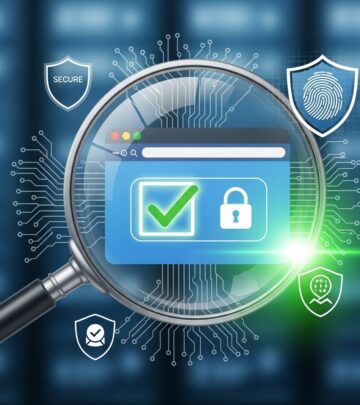
- Absence of HTTPS encryption: Legitimate sites use HTTPS to secure data transmission. Absence of the padlock icon or ‘https://’ prefix exposes your information to interception.
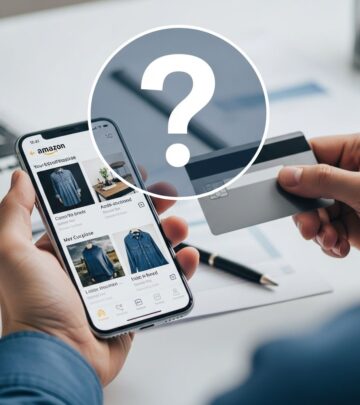
- Unfamiliar or suspicious domain names: Scammers use slight misspellings like ‘amaz0n.com’ instead of ‘amazon.com’. Always type URLs manually or use bookmarks.
- Lack of contact details: Reputable sellers provide verifiable phone numbers, physical addresses, and customer support. Vague or missing info signals trouble.
Cross-check unfamiliar sites via the Better Business Bureau or search ‘[site name] scam’. Trusted platforms like Amazon offer buyer protections such as A-to-Z Guarantee for disputes.
Detecting Fake Reviews and Manipulated Feedback
Reviews influence 90% of purchases, but scammers flood them with fakes to build false credibility.
- Uniformly glowing or generic comments: Legitimate reviews vary; fakes repeat phrases like ‘best ever’ without specifics.
- Sudden review surges: A product with few sales but hundreds of recent reviews raises flags.
- Reviewer inconsistencies: Profiles with one review or stock photos indicate bots.
Amazon removed over 200 million suspicious reviews last year, highlighting the scale of the issue. Prioritize verified purchase badges and cross-reference on external sites.
Unrealistic Prices and Deals That Scream Scam
Bargains lure victims, but extreme discounts often hide fraud.
- Prices far below market value: Designer goods at 80% off usually mean counterfeits or non-delivery.
- Flash sales with urgency pressure: ‘Limited time only’ tactics push impulsive buys without scrutiny.
- No price transparency: Hidden fees inflating totals at checkout.
Research average prices via Google Shopping or reputable retailers. If it seems too good, it probably is.
Scrutinizing Policies for Hidden Risks
Clear policies protect buyers; vague ones enable scammers.
| Policy Type | Green Flags | Red Flags |
|---|---|---|
| Returns & Refunds | 30+ day window, free returns | No policy or ‘no refunds’ |
| Shipping | Realistic timelines, tracking | Vague estimates, high fees |
| Privacy | Detailed data protection | Absent or shares with third parties |
Review these before checkout. Legitimate sites outline complaint processes and payment options clearly.
Social Media and Pop-Up Marketplace Dangers
Social platforms host quick-sale scams bypassing protections.
- Off-platform payment requests: Insistence on wire transfers, gift cards, or apps like Venmo skips dispute options.
- Unverified sellers: No external reviews or business history.
- High-pressure tactics: ‘Act now or miss out’ via DMs.
Stick to platform payments like Facebook Checkout or Instagram Shopping for built-in safeguards. Validate sellers via BBB.
Technical Security Warnings to Heed
Poor tech setup exposes vulnerabilities.
- Outdated design or pop-ups: Cluttered interfaces with excessive ads.
- Public Wi-Fi usage prompts: Avoid transactions on unsecured networks; use VPNs.
- Excessive personal data requests: Beyond name, address, payment—walk away.
Update browsers and antivirus. Enable 2FA on accounts.
Post-Purchase Vigilance and Recovery Steps
Monitor after buying to catch issues early.
- Track statements weekly: Dispute unauthorized charges promptly.
- Save receipts and screenshots: Evidence for claims.
- Report suspicions: To FTC at ReportFraud.ftc.gov or platform.
If scammed: Freeze cards, change passwords, enable 2FA. Credit cards offer stronger fraud protection than debit.
Advanced Tools for Safer Shopping
Leverage tech for extra layers.
- VPNs on public networks: Encrypts traffic.
- Password managers: Unique credentials per site.
- Browser extensions: Like uBlock Origin or HTTPS Everywhere.
Shop from known retailers: Amazon, Walmart, official brands.
Frequently Asked Questions
What if a site looks legit but asks for my SSN?
Never provide SSN, driver’s license, or bank details beyond card info. Legitimate sites don’t need them.
Is it safe to shop on social media?
Only via official checkout with buyer protection. Avoid direct transfers.
How do I spot counterfeit products?
Check seller ratings, review authenticity, compare prices. Use brand sites.
What payment method is safest?
Credit cards for dispute rights; virtual cards for one-time use.
I’ve been scammed—what now?
Contact bank to freeze card, file police report, notify FTC.
Implementing these strategies minimizes risks. Stay informed as threats evolve—secure shopping starts with awareness.
References
- How to Protect Yourself When Shopping Online: Tips for Older Adults — National Council on Aging. 2023. https://www.ncoa.org/article/10-tips-for-safe-and-secure-online-shopping/
- Helpful Tips for Safe Online Shopping — McAfee Blog. 2023. https://www.mcafee.com/blogs/family-safety/10-tips-to-safe-online-shopping/
- 11 Online Safety Tips For Making Purchases on the Internet — Providence Credit Union. 2023. https://www.providencecu.org/blog/11-online-safety-tips-for-making-purchases-on-the-internet
- Best Practices for Shopping Online — Mississippi State University Extension. 2023. https://extension.msstate.edu/publications/best-practices-for-shopping-online
- Online Shopping – Security Tips — Federal Trade Commission. 2023. https://consumer.ftc.gov/media/79929
- Online Shopping — National Cybersecurity Alliance. 2023. https://www.staysafeonline.org/articles/online-shopping
Similar Articles








Read full bio of Sneha Tete