Online Personal Loan Traps: 9 Warning Signs
Discover critical warning signs to avoid predatory lenders and scams when seeking personal loans online, protecting your finances effectively.
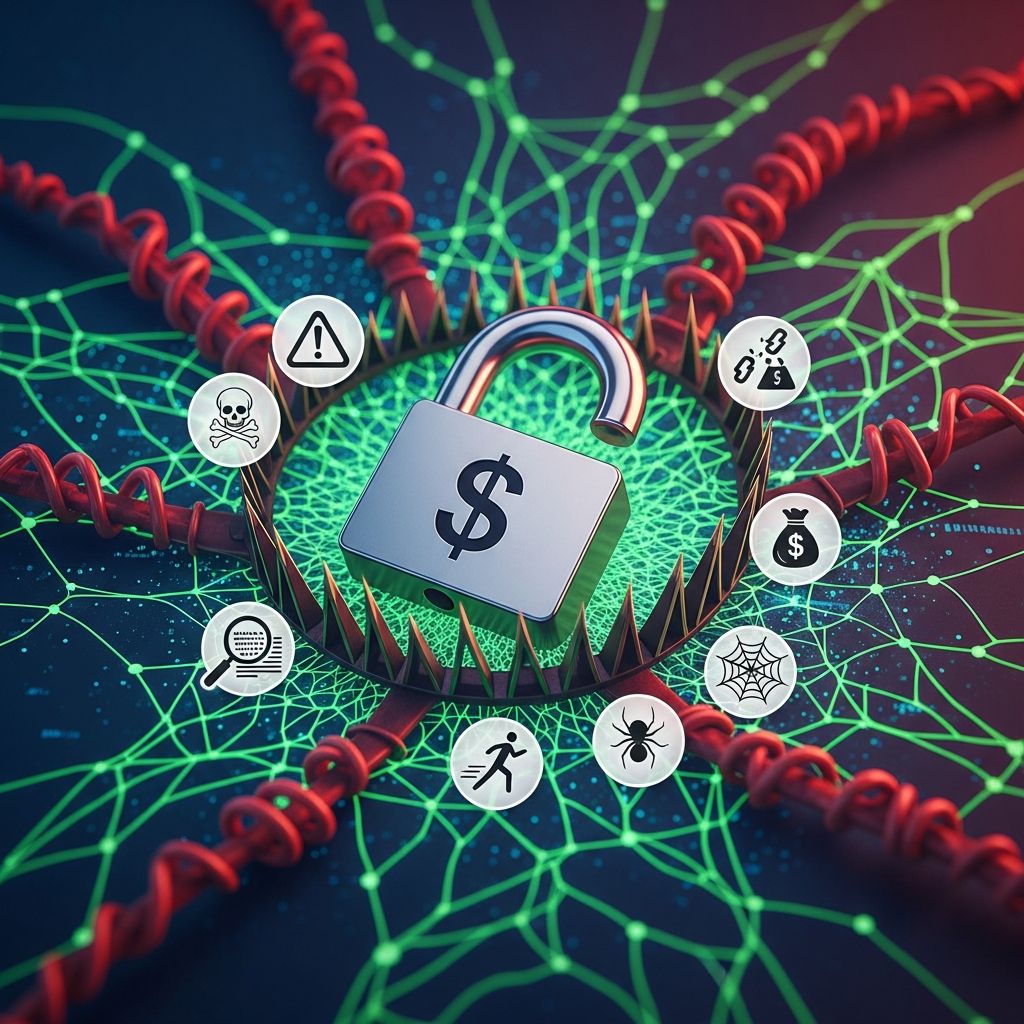
Seeking a personal loan online can provide quick access to funds for emergencies, debt consolidation, or major purchases. However, the digital landscape is rife with pitfalls where unscrupulous operators prey on desperate borrowers. Understanding the subtle cues of fraudulent or exploitative lenders is essential to secure fair terms and avoid financial harm. This guide outlines nine critical indicators that demand immediate caution, drawing from established financial insights to empower informed decisions.
Why Vigilance Matters in Digital Lending
The convenience of applying for loans from home has exploded the market, but so have deceptive practices. Predatory lenders often disguise themselves as helpful providers, using aggressive marketing to lure individuals with poor credit or urgent needs. According to consumer protection data, falling for these traps can lead to exorbitant costs, identity theft, or legal troubles. By recognizing patterns like those detailed below, borrowers can steer toward reputable institutions and preserve their financial health.
1. Upfront Fees or Prepaid Payment Demands
One of the most blatant signals of deceit is a lender requiring payment before disbursing funds. Legitimate providers deduct any origination or processing fees directly from the loan proceeds, never demanding wire transfers, gift cards, or prepaid debit cards in advance. Scammers favor these untraceable methods to vanish with your money.
- Common excuses include “processing,” “insurance,” or “appraisal” fees.
- Real lenders disclose all costs transparently during application.
- Result: Victims lose deposits without receiving loans.
Always verify: If funds aren’t flowing to you first, walk away.
2. Promises of Guaranteed Approval
No ethical lender can assure approval without reviewing your financial profile. Offers promising funds “regardless of credit score” or “bad credit OK” typically signal subprime products with crippling rates or outright fraud. Responsible lending involves assessing income stability, debt levels, and repayment capacity.
| Legitimate Lender | Scam Indicator |
|---|---|
| Requires credit check and docs | “100% approval guaranteed” |
| Explains qualification criteria | No questions about your finances |
| Offers reasonable rates | Too-good-to-be-true terms |
Guaranteed approval bypasses risk evaluation, endangering both parties.
3. Absence of Credit Evaluation
A thorough credit check is standard for personal loans to gauge risk. Lenders skipping this step often target vulnerable borrowers, offering payday-style products with rates exceeding 400% APR. Such loans trap users in debt cycles, worsening credit further.
Protect yourself by confirming the lender pulls reports from Equifax, Experian, or TransUnion. Evasiveness here points to predatory intent.
4. High-Pressure Tactics and Rushed Decisions
Urgency is a scammer’s tool: “Sign now or lose the deal!” Ethical lenders allow time to review terms, consult advisors, or compare offers. Pressure prevents scrutiny of fine print, hidden clauses, or mismatched expectations.
- Phrases like “limited time offer” or “act today.”
- Rushing via calls, emails, or chats.
- Consequence: Borrowers overlook escalating rates post-intro period.
Take at least 24-48 hours; true opportunities persist.
5. Unsecured or Suspicious Websites
A legitimate lender’s site features HTTPS encryption (padlock icon) and a verifiable physical address. Absence of these basics exposes your data to theft. Check for typos, poor design, or generic templates signaling fly-by-night operations.
Tools like WHOIS can reveal domain age; new or anonymously registered sites warrant distrust. Prioritize established banks, credit unions, or fintechs with BBB accreditation.
6. Lack of State Licensing or Physical Presence
Lenders must register with state regulators to operate legally. Unregistered entities evade oversight, enabling abusive practices. Search your state’s banking department site for verification—no address or licensing? Proceed with extreme caution.
Federal law mandates transparency; offshore or virtual-only lenders often skirt rules.
7. Bait-and-Switch on Rates and Terms
Ads flaunt low APRs, but quotes reveal sky-high actual rates. Or, advertised terms vanish upon application, replaced by costlier options. This deception preys on sunk-time bias, pressuring acceptance.
Counter by obtaining written pre-approvals from multiple sources and locking rates in advance. Discrepancies exceeding 1-2% signal trouble.
8. Hidden Fees and Opaque Costs
Beware offers glossing over charges like origination (1-8% of loan), late penalties, or prepayment barriers. Legit providers itemize everything upfront via Loan Estimates. Post-approval surprises are illegal under Truth in Lending Act.
| Fee Type | Average Legit Range | Red Flag Threshold |
|---|---|---|
| Origination | 0-6% | >8% |
| Late Fee | $15-39 | No cap or >$50 |
| Prepayment | Rare/None | Any penalty |
Calculate total cost: Use APR, not just headline rate.
9. Requests for False Information
Encouragement to exaggerate income, omit debts, or leave sections blank screams fraud. Accurate disclosure ensures affordable loans; falsification risks denial, penalties, or prosecution.
Reputable processes verify via pay stubs, tax returns, and bank statements—resist any push to mislead.
Protective Strategies for Safe Borrowing
Beyond spotting dangers, adopt habits like:
- Comparing 3-5 lenders via platforms like Credible or Bankrate.
- Reading reviews on Trustpilot and CFPB complaint database.
- Starting with credit unions or banks for prime rates.
- Improving credit score first for better access.
A strong FICO score (670+) unlocks rates under 10% APR, versus 20%+ for subprime.
Frequently Asked Questions (FAQs)
Can I get a personal loan with bad credit?
Yes, but expect higher rates (15-36% APR). Avoid no-check options; build credit instead.
What if a lender contacts me first?
Unsolicited offers are scams 99% of the time. Block and report.
How do I report a suspicious lender?
File with FTC at ReportFraud.ftc.gov, your state AG, and CFPB at consumerfinance.gov.
Are all online lenders risky?
No—vetted ones like SoFi or LendingClub are safe. Check licensing and reviews.
What’s a fair personal loan APR?
6-12% for excellent credit; average 10-15% as of 2025.
Final Thoughts on Smart Loan Shopping
Armed with these insights, approach online personal loans with confidence. Prioritize transparency, security, and realism to fund needs without regret. When in doubt, pause—your future finances thank you.
References
- 8 Lender Red Flags to Look Out For — Experian. 2023-05-15. https://www.experian.com/blogs/ask-experian/lender-red-flags-to-look-out-for/
- Six Signs of Personal Loan Scams — Kirtland Federal Credit Union. 2024-02-10. https://kirtlandcu.org/six-signs-of-personal-loan-scams/
- 9 Ways To Spot Personal Loan Scams — My CCNB. 2024-08-22. https://www.myccnb.com/resources/9-ways-to-spot-personal-loan-scams/
- 12 Common Red Flags for Loan Application Fraud — Inscribe AI. 2023-11-07. https://www.inscribe.ai/blog/12-common-red-flags-for-loan-application-fraud
- Personal Loan Scams: 5 Warning Signs — LendingTree. 2024-03-19. https://www.lendingtree.com/personal/personal-loan-scam/
Similar Articles








Read full bio of Sneha Tete