Online Mortgage Applications: Pros, Cons, and Guide
Discover if applying for a mortgage online suits your needs, with step-by-step guidance, benefits, drawbacks, and expert tips for a seamless process.
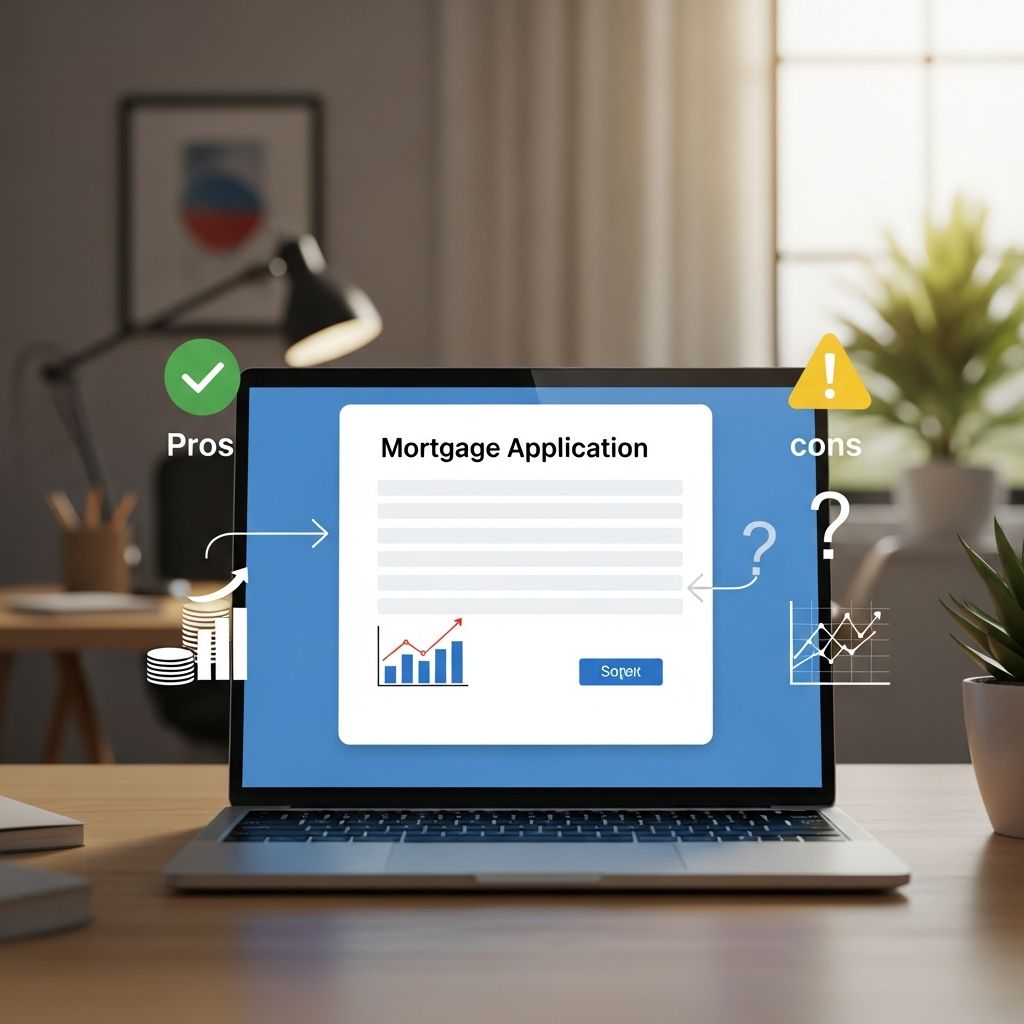
Applying for a mortgage online has transformed the home buying journey, offering speed and accessibility from anywhere. This comprehensive guide examines the key advantages, potential pitfalls, detailed steps, essential documents, and strategies to navigate the process effectively.
Why Consider an Online Mortgage Application?
The shift to digital platforms stems from technological advancements that streamline traditional lending. Lenders now provide user-friendly portals where borrowers upload documents, track progress, and communicate without visiting branches. This approach suits busy professionals, remote workers, and those in rural areas with limited local options.
Online systems often integrate real-time rate comparisons and automated eligibility checks, helping users gauge affordability early. For instance, prequalification tools deliver instant estimates based on basic inputs like income and credit score, empowering informed decisions before committing time.
Key Benefits of Digital Mortgage Processes
Digital applications prioritize efficiency and user control. Here are the primary advantages:
- Convenience: Complete everything via smartphone or computer, eliminating travel and scheduling hassles.
- Speed: Electronic submissions and processing often accelerate approvals, with some platforms offering prequalification in minutes.
- Transparency: Dashboards show real-time status updates, from document review to underwriting.
- Cost Savings: Reduced overhead for lenders can translate to competitive rates or incentives like closing cost credits.
- Accessibility: 24/7 availability and nationwide lender options expand choices beyond local banks.
These features make online routes ideal for tech-savvy buyers seeking a hands-off experience.
Potential Drawbacks and Challenges
Despite conveniences, online applications aren’t flawless. Common issues include:
- Technical Glitches: Upload failures or platform downtime can delay submissions.
- Limited Personal Interaction: Less face-to-face guidance may confuse first-timers needing clarification.
- Documentation Hurdles: Scanning and uploading precise files requires organization; errors prompt requests for resubmissions.
- Security Concerns: While encrypted, data breaches remain a risk, demanding vigilance with passwords and phishing awareness.
- Not Universal: Complex cases like self-employment or poor credit might require hybrid approaches with phone or in-person support.
Weigh these against your comfort with technology and financial complexity.
Step-by-Step Guide to Applying Online
Follow this structured path for a smooth application:
- Assess Readiness: Review credit reports and calculate debt-to-income ratios to estimate borrowing power.
- Shop Lenders: Compare rates and terms across platforms, focusing on fees and customer reviews.
- Get Prequalified: Enter basic info for a quick affordability snapshot without a hard credit pull.
- Gather Documents: Compile proof of income, assets, and identity (detailed below).
- Submit Application: Create an account, fill forms, and upload files securely.
- Receive Loan Estimate: Within three days, get a breakdown of rates, payments, and costs.
- Underwriting and Appraisal: Lender verifies details; property value is assessed.
- Clear to Close: Final approval leads to signing and funding.
| Step | Typical Timeline | Key Actions |
|---|---|---|
| Prequalification | Minutes | Basic financial input |
| Full Application | 1-3 days | Document upload |
| Loan Estimate | 3 business days | Review and respond |
| Underwriting | 1-4 weeks | Provide updates |
| Closing | 3-7 days post-approval | Sign digitally |
Essential Documents for a Successful Submission
Preparation is crucial. Have these ready:
- Proof of income: Pay stubs (last 30 days), W-2s or 1099s (two years), tax returns (two years).
- Asset statements: Bank accounts, investments (two months).
- Identification: Driver’s license, Social Security number.
- Debt details: Student loans, credit cards, auto loans statements.
- Additional: Divorce decrees, gift letters, rental history, or self-employment records.
Organize digitally in folders for quick access. Respond promptly to requests to avoid delays.
Comparing Online vs. Traditional Applications
| Aspect | Online | Traditional |
|---|---|---|
| Speed | Faster processing | Slower due to paperwork |
| Convenience | Anywhere access | Branch visits required |
| Personal Touch | Chat/phone support | In-person meetings |
| Best For | Simple cases, tech users | Complex finances |
Online excels in routine scenarios, while traditional suits nuanced needs.
Tips for a Flawless Online Mortgage Experience
- Verify lender legitimacy via FDIC or official sites.
- Lock rates early if trends are favorable.
- Monitor emails for updates and act swiftly.
- Use secure networks for submissions.
- Consult advisors for unique situations like bankruptcy history.
Common Mistakes to Avoid
Steer clear of these pitfalls:
- Applying with multiple lenders simultaneously, triggering excessive inquiries.
- Ignoring small debts that impact ratios.
- Changing jobs or making large purchases mid-process.
- Overlooking fees in estimates.
- Skipping prequalification, leading to unrealistic searches.
Frequently Asked Questions (FAQs)
Is an online mortgage application safe?
Reputable lenders use encryption and comply with federal standards, but choose FDIC-insured institutions.
How long does online approval take?
From submission to closing: 30-45 days typically, faster than branches for straightforward cases.
Can I apply online if self-employed?
Yes, but expect extra scrutiny on business taxes and profits.
What if I need to switch lenders mid-process?
Possible but restarts timelines; get preapprovals first.
Does prequalification guarantee approval?
No, it’s preliminary; full underwriting confirms eligibility.
Final Thoughts on Digital Home Financing
Online mortgage applications democratize homeownership with unmatched efficiency. By understanding processes, preparing thoroughly, and selecting trusted providers, buyers can secure loans confidently. Whether first-time or repeat, digital tools simplify the path to keys in hand.
References
- Applying for Your First Mortgage Loan — FDIC. 2022-06. https://www.fdic.gov/consumer-resource-center/2022-06/applying-your-first-mortgage-loan
- How to Apply for a Mortgage in 5 Easy Steps — Hancock Whitney Bank. N/A. https://www.hancockwhitney.com/insights/how-to-apply-for-a-mortgage-in-5-easy-steps
- The Mortgage Loan Process in 10 Steps — Navy Federal Credit Union. N/A. https://www.navyfederal.org/loans-cards/mortgage/mortgage-basics/mortgage-process.html
- Your 10-Step Guide to the Mortgage Loan Process — Bank of America. N/A. https://www.bankofamerica.com/mortgage/learn/guide-to-the-mortgage-loan-process/
- How do I apply for a mortgage? — Truist Bank. N/A. https://www.truist.com/mortgage/first-time-homebuyer/applying-for-a-mortgage
Similar Articles








Read full bio of medha deb