Online Marketplace Scams
Essential strategies to spot and dodge fraud on platforms like Facebook Marketplace, eBay, and Craigslist in 2025.

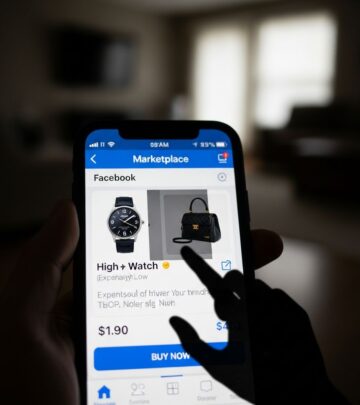
Digital platforms have transformed how individuals exchange goods, providing access to vast inventories and local deals with minimal effort. Sites like Facebook Marketplace, eBay, Craigslist, and others facilitate peer-to-peer trading that saves time and money. Yet, this convenience draws cybercriminals who exploit trust gaps to perpetrate fraud. In 2025, reports indicate a surge in such incidents, with losses mounting as scammers refine their tactics. Understanding these threats empowers users to transact confidently.
The Surge of Fraud on Peer-to-Peer Platforms
Online marketplaces blend opportunity with risk. Fraudsters thrive on high transaction volumes, targeting both novice and experienced users. According to financial watchdogs, complaints about these scams have escalated, often involving non-delivery of paid items or fictitious payments. Platforms’ anonymity features, while useful, enable bad actors to create disposable profiles for quick hits before vanishing. Key drivers include economic pressures pushing more people online and sophisticated tools allowing scammers to mimic legitimacy.
Common Scams Targeting Buyers
Buyers face diverse ploys designed to extract funds without delivering value. Recognizing patterns is crucial for evasion.
- Phantom Listings: Scammers post alluring ads for high-demand items at steep discounts, like electronics or vehicles. After payment, they ghost, leaving buyers empty-handed.
- Phishing Expeditions: Fraudsters send links mimicking platform communications, tricking users into revealing login credentials or financial details. These often appear as verification requests.
- Shipping Deceptions: Sellers claim dispatch with fake tracking numbers, or demand extra fees for alleged customs or insurance before ‘release.’ Delivery never materializes.
- Counterfeit Goods: Items arrive but are fakes or substandard, evading easy returns due to lax policies on some sites.
These schemes prey on urgency, offering deals too good to pass up, prompting hasty decisions.
Threats Facing Sellers
Sellers encounter equally cunning ruses that compromise accounts or finances.
- Overpayment Tricks: Buyers send inflated checks or transfers, requesting refunds for the ‘excess.’ The original payment reverses, leaving sellers out of pocket.
- Faux Confirmations: Scammers provide doctored screenshots of payments from apps like Venmo or PayPal, urging immediate shipping.
- Verification Code Grabs: Posing as interested parties, fraudsters request one-time codes texted to sellers, hijacking linked accounts.
- Account Takeovers: Through phishing or weak passwords, criminals seize profiles to launder money or resell stolen goods.
Sellers must verify every step, as pressure tactics accelerate poor choices.
Red Flags to Watch For
Vigilance hinges on spotting inconsistencies. Here’s a quick reference:
| Warning Sign | Why It’s Suspicious | Action to Take |
|---|---|---|
| New or sparse profile | Lacks reviews or history | Decline or demand proof |
| Off-platform payments | Irreversible methods like gift cards | Insist on site escrow |
| Unrealistic pricing | Far below market rates | Research comparables |
| Rushed communication | High-pressure demands | Pause and reassess |
| Verification requests | Seeking codes or extra info | Never share; report |
These indicators appear across platforms, signaling potential deceit.
Proven Strategies for Buyers
Arm yourself with these defenses to minimize exposure.
- Scrutinize profiles: Favor those with established feedback and multiple transactions.
- Request evidence: Ask for additional images, videos, or serial numbers to confirm authenticity.
- Opt for protected payments: Use credit cards or platform services like PayPal’s Goods and Services for dispute rights.
- Localize deals: Meet in public spots, such as police precincts, to inspect items firsthand.
- Reverse image search photos: Tools can reveal if listings steal from elsewhere.
Combining these reduces risks substantially.
Essential Protections for Sellers
Sellers can fortify their position similarly.
- Confirm funds: Wait for cleared balances before dispatching goods.
- Avoid risky refunds: Never ship based on unverified overages; consult your bank.
- Communicate in-app: Steer clear of external chats that bypass platform oversight.
- Document everything: Screenshot conversations and payments for records.
- Leverage ratings: Build a strong profile to attract legitimate buyers.
Patience here prevents irreversible losses.
Platform Tools and Features
Most marketplaces offer built-in safeguards. eBay’s buyer protection covers eligible disputes; Facebook Marketplace suggests safe zones. Enable two-factor authentication, report suspicious activity promptly, and use shipping with tracking. Platforms increasingly deploy AI to flag anomalies, but user diligence remains paramount.
What to Do If Victimized
Act swiftly upon suspicion.
- Report to the platform immediately for investigation.
- File with authorities: Use FTC at reportfraud.ftc.gov or IC3 at ic3.gov.
- Dispute payments: Contact issuers for chargebacks on cards or reversals where possible.
- Freeze accounts: Alert banks and change passwords.
- Share experiences: Post warnings to aid community awareness.
Quick response can recover funds and disrupt scammers.
Broader Fraud Types in Marketplaces
Beyond basics, watch for collusion where buyers and sellers fake deals to exploit protections, or money laundering via high-volume low-value trades. B2C sites face account takeovers using stolen credentials. Device fingerprinting and behavioral analytics help platforms counter these.
Future-Proofing Against Evolving Threats
As tech advances, so do scams—deepfakes may soon verify ‘in-person’ views. Stay informed via official advisories. Advocate for better platform verification, like biometrics. Educate networks to foster collective resilience.
Frequently Asked Questions
What payment methods are safest?
Credit cards and platform-protected options like PayPal Goods & Services provide recourse; avoid wire transfers, crypto, or gift cards.
Is meeting in person always better?
For local items, yes—public venues ensure safety and verification, but use caution and inform someone of plans.
How do I report a scam?
Start with the platform, then FTC or IC3; include all evidence for effective tracking.
Can I get money back after a scam?
Possibly via disputes if using reversible methods; success varies by timing and details.
Why do scammers target marketplaces?
High traffic, low barriers, and trust in peer deals make them ideal for quick, anonymous fraud.
References
- How to Avoid Online Marketplace Scams: Stay Safe When Buying & Selling — U.S. Senate Federal Credit Union. 2025-03-26. https://www.ussfcu.org/media-center/security-corner/blog-detail-security-corner.html?title=how-to-avoid-online-marketplace-scams-stay-safe-when-buying-selling
- Marketplace scams: How to protect yourself — Wise. N/A. https://wise.com/gb/blog/marketplace-scams
- Online marketplace scams: What to know — Commerce Bank. 2025. https://www.commercebank.com/personal/ideas-and-tips/2025/online-marketplace-scams
- Fraud prevention on online marketplaces — Incognia. N/A. https://www.incognia.com/industries/marketplace-apps
- Avoid Online Marketplace Scams — CommunityAmerica Credit Union. 2024-09-27. https://www.communityamerica.com/blog/2024/09/27/avoid-online-marketplace-scams
Similar Articles








Read full bio of Sneha Tete