Online Car Buying Scams Exposed
Discover the latest online car buying scams rising in 2026 and arm yourself with proven strategies to protect your money and avoid fraud.

The convenience of shopping for vehicles online has exploded, but so have sophisticated scams targeting eager buyers. Fraudsters exploit platforms like social media marketplaces and cloned websites to steal thousands from unsuspecting consumers every month. Understanding these tactics is crucial for safe purchasing.
The Surge in Digital Vehicle Fraud
Online car sales have grown rapidly, with platforms facilitating quick connections between buyers and sellers. However, law enforcement reports a sharp increase in scams, including fake ads mimicking legitimate dealers and sales of stolen cars with forged documents. These schemes often promise unbeatable deals on popular models, pressuring victims into hasty payments via untraceable methods.
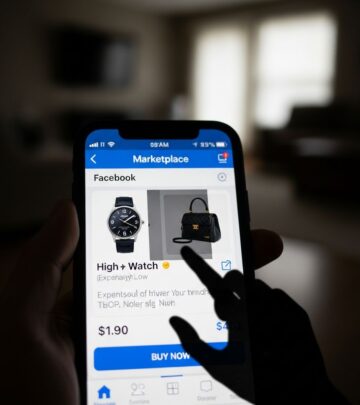
Criminals clone real dealership sites or create convincing social media profiles, using stolen photos and details to build trust. Once hooked, they demand wire transfers or cryptocurrency, vanishing after payment. Recent cases show vehicles listed on trusted sites like Facebook Marketplace are particularly risky, as counterfeit titles make stolen cars hard to spot initially.
Common Traps in Online Listings
Scammers craft listings that appear genuine at first glance. Key warning signs include prices far below market value, which lure bargain hunters into traps. Generic or low-resolution images, mismatched specs, or grammatical errors in descriptions are frequent giveaways.
- Too-good-to-be-true pricing: Deals 20-30% under average signal potential fraud.
- Poor visuals: Lack of detailed interior/exterior shots or videos.
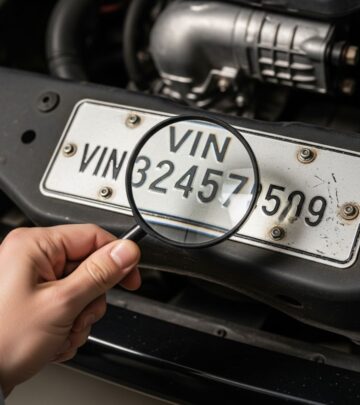
- Inconsistent info: VIN mismatches or vague history claims.
Private sellers on marketplaces pose extra risks, as they skip mandatory checks required of dealers. Without history reports, buyers may end up with stolen goods or vehicles with hidden damage.
Fake Dealerships and Cloned Websites
One prevalent scam involves bogus dealerships with websites that copy legitimate ones down to logos and contact info. Victims research and find ‘positive’ reviews planted by fraudsters. Pressure tactics like ‘another buyer is interested’ push for immediate deposits.
Verify legitimacy by cross-checking addresses on Google Maps—real lots show activity, fakes do not. Suspicious URLs, such as slight misspellings (e.g., ‘dealerships.com’ vs. ‘dealrships.com’), are dead giveaways. Always call listed numbers independently and insist on in-person visits.
Stolen Vehicles with Forged Paperwork
Police warn of rising stolen car sales online, where criminals provide fake titles that pass casual glances. Recovered vehicles often lack tampering signs, deceiving even careful buyers. Platforms like Facebook Marketplace are hotspots, with scammers using counterfeit docs to close deals fast.
Protect yourself by demanding the VIN early and running checks via services like Carfax or AutoCheck. These reveal theft records, liens, or odometer fraud. Avoid deals where sellers dodge VIN sharing or history reports.
Dealer Tricks: Markups, Fees, and Financing Pitfalls
Even legitimate dealers employ shady practices. Artificial markups over MSRP, labeled ‘market adjustments,’ pad prices by thousands—averages hit 9.9% in recent data. Refusals to disclose invoices or incentives are red flags.
Hidden add-ons inflate totals post-negotiation. Studies show 71% of used car buys include excessive fees averaging $640, often for worthless services. Watch for vague line items like ‘dealer reserve’ in financing, which hides rate markups.
| Scam Type | Red Flag | Average Cost Impact |
|---|---|---|
| MSRP Markup | Separate ‘adjustment’ sticker | $3,700+ |
| Hidden Fees | Post-agreement add-ons | $640 avg |
| Finance Tricks | Masked high rates | Thousands in interest |
Trade-in scams undervalue your vehicle while yo-yo financing switches terms after approval. Always review contracts fully and walk if pressured.
Payment Methods to Avoid at All Costs
Irreversible payments are scammer favorites. Wire transfers, gift cards, and crypto offer no recovery paths—once sent, funds vanish. Even peer-to-peer apps can be risky without buyer protections.
Opt for escrow services that hold funds until delivery and inspection. Credit cards provide chargeback options for disputes. Never pay full upfront without safeguards.
Verification Steps for Secure Purchases
Empower your search with diligence:
- Research seller: Search business name, phone, and address for complaints.
- Get VIN report: Check history independently.
- Inspect vehicle: In-person or via trusted mechanic.
- Use safe payments: Escrow or credit.
- Trust instincts: Pause if rushed.
For remote buys, hire mobile inspectors. Test drives confirm condition beyond photos.
What to Do If You’ve Been Scammed
Act fast: Contact FTC at ReportFraud.ftc.gov, your state AG, and BBB. Alert your bank for potential recovery. Local police handle stolen vehicle reports. Document everything—screenshots, emails, payments.
FTC warns of discriminatory pricing scams too, where dealers overcharge based on appearance—illegal and reportable.
FAQs: Online Car Buying Safety
Q: Is Facebook Marketplace safe for cars?
A: Risky—verify sellers rigorously, as stolen cars are common.
Q: How do I spot a fake VIN report?
A: Use official services; cross-check with multiple providers.
Q: Can I get money back from wire transfers?
A: Rarely—avoid them entirely.
Q: Are dealer markups always scams?
A: Not always, but demand transparency on invoice and incentives.
Q: What’s the best payment for online buys?
A: Escrow services ensure release only post-delivery.
Future-Proofing Your Auto Purchases
As 2026 progresses, scams evolve with AI-generated listings and deepfake videos. Stay updated via FTC alerts and police advisories. Prioritize local, verifiable sellers over distant deals. Knowledge and caution turn potential pitfalls into smooth transactions.
By mastering these insights, you reclaim control in the digital marketplace. Safe shopping leads to reliable wheels without regret.
References
- Online Car Shopping Scams Are on the Rise: Here’s How to Protect — FRB Federal Credit Union. 2026. https://frbfcu.org/online-car-shopping-scams-are-on-the-rise/
- Police warn of rise in online car sale scams — North Penn Now. 2026-02-05. https://northpennnow.com/news/2026/feb/05/police-warn-of-rise-in-online-car-sale-scams/
- The 3 BIGGEST Car Buying SCAMS to Avoid in 2026 — Everyman Driver (YouTube). 2026. https://www.youtube.com/watch?v=_8b3MHBvCzs
- Police Officers Advice – How to Avoid Car Buying Scams in 2026 — GCM (YouTube). 2026. https://www.youtube.com/watch?v=aHkgDW-fUl8
- Car Buying Scams — Federal Trade Commission (FTC). 2026. https://consumer.ftc.gov/all-scams/car-buying-scams
Similar Articles








Read full bio of Sneha Tete