Online Banking: 4 Simple Steps To Get Started
Discover how online banking transforms financial management with unmatched convenience, robust security, and smart tools for everyday use.
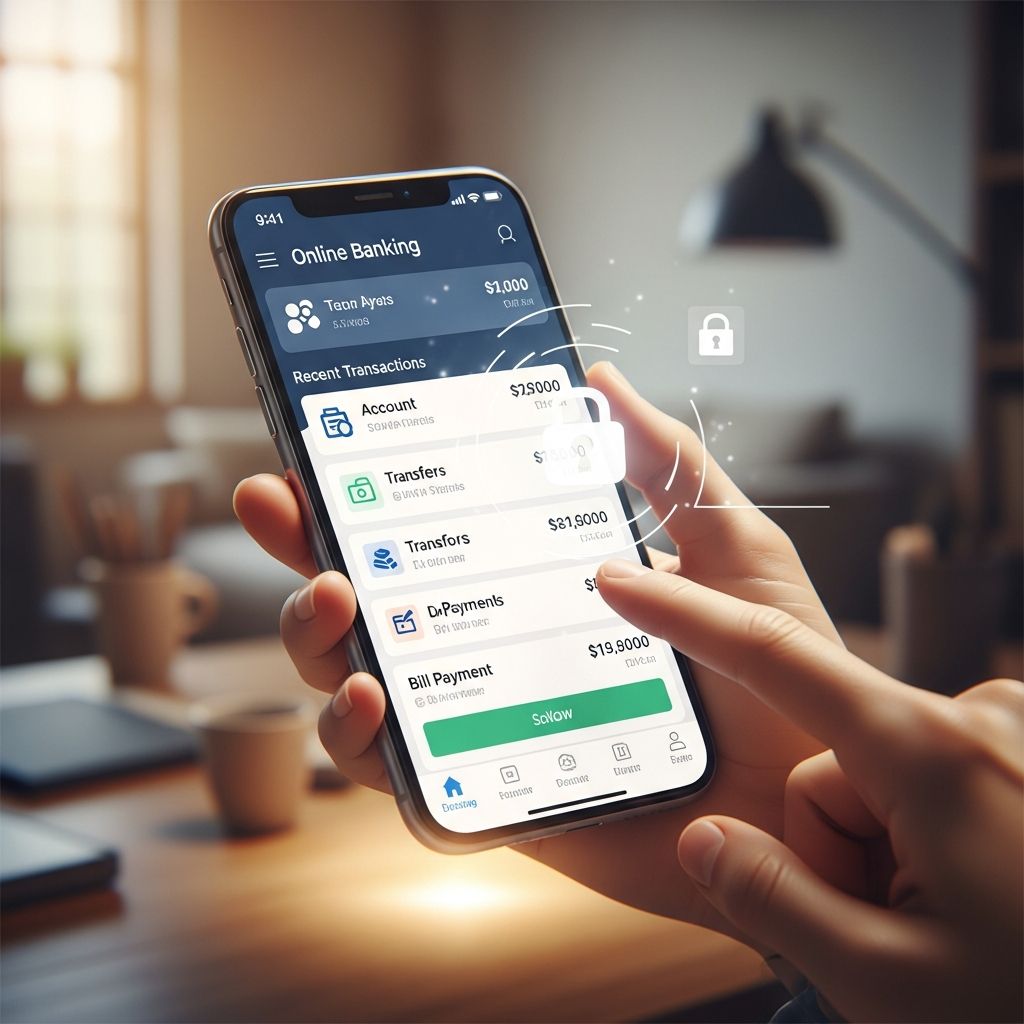
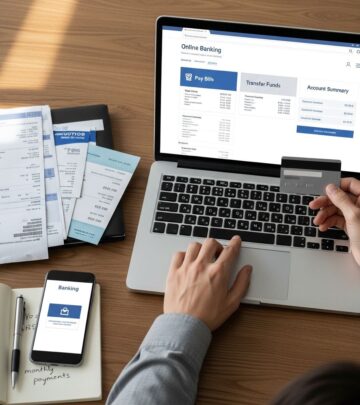
Online banking enables users to handle financial tasks like checking balances, paying bills, and transferring funds through secure websites or mobile apps, offering round-the-clock access without visiting a physical branch.
Understanding the Core of Digital Financial Services
Digital financial services, commonly known as online banking, represent a shift from traditional in-person transactions to internet-based account management. This system allows individuals to oversee their checking, savings, and other accounts using computers or smartphones connected to the internet. Financial institutions provide dedicated portals or applications where users log in with credentials to perform operations that mirror branch services.
Unlike conventional banking limited by operating hours, online platforms operate continuously, empowering users to monitor transactions or make payments at their convenience. Over half of consumers prefer mobile apps for primary account management, highlighting the widespread adoption of these tools.
Key Capabilities and Tools Available
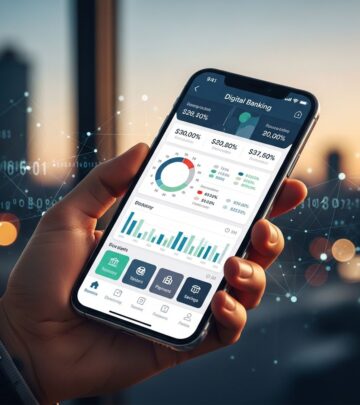
Modern online banking platforms pack a suite of features designed for efficiency. Users can view account summaries, recent activities, and linked credit card details in one dashboard. Common functions include bill payments, fund transfers between accounts, and remote check deposits via photo upload.
- Balance and Transaction Monitoring: Instant views of available funds and spending history.
- Automated Bill Pay: Schedule recurring payments for utilities, loans, or subscriptions to avoid late fees.
- Peer-to-Peer Transfers: Send money quickly to contacts using integrated services like digital wallets.
- Digital Statements: Access e-statements to reduce paper waste and track finances digitally.
- Card Management: Lock or unlock debit cards, set spending limits, and receive real-time alerts.
Advanced options often extend to budgeting aids, spending analyzers, and customizable notifications for low balances or due dates, helping users gain deeper insights into their habits.
Advantages That Set Online Banking Apart
The shift to online banking delivers multiple benefits, starting with unparalleled accessibility. No longer bound by branch schedules, users manage finances from anywhere—home, office, or travel—saving time otherwise spent in lines.
| Feature | Online Banking Benefit | Traditional Banking Comparison |
|---|---|---|
| Access Hours | 24/7 availability | Limited to business hours |
| Transaction Speed | Instant transfers and deposits | Requires physical visits |
| Cost Efficiency | Lower fees, higher yields | Higher maintenance charges |
| Mobility | App-based on-the-go use | Branch-dependent |
Cost savings are notable, as digital banks frequently waive fees and offer competitive interest on deposits. Features like early direct deposit or automated savings roundups further enhance financial wellness.
Robust Security Protocols Protecting Your Funds
Security forms the backbone of trustworthy online banking. Platforms employ encryption to safeguard data transmission, multi-factor authentication for logins, and continuous monitoring for anomalies.
Users receive immediate alerts for suspicious logins or transactions, enabling quick responses. Fraud protection teams investigate irregularities, often reimbursing unauthorized activities under federal guidelines from the FDIC.
- Strong, unique passwords combined with biometric logins.
- Avoid public Wi-Fi for sensitive operations.
- Regularly review statements for discrepancies.
While users share responsibility, institutional safeguards like these make online channels as secure as, or more than, physical ones.
Online Versus Conventional Banking: A Detailed Comparison
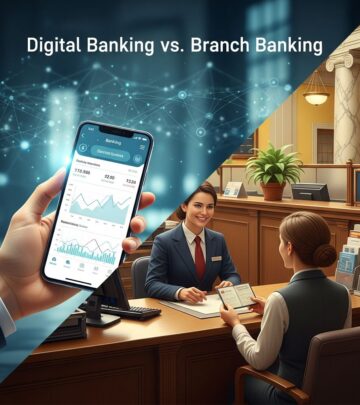
Traditional banks provide personal interactions at branches, ideal for complex needs like large loans, but they lag in flexibility. Online banks, often branchless, excel in digital efficiency with lower overheads translating to better rates.
Hybrid models from established institutions blend both, offering apps alongside physical locations. Pure online providers prioritize tech-forward services but may lack in-person support for nuanced queries.
Addressing Common Concerns and Misconceptions
Potential drawbacks include tech glitches or limited service scopes, though outages are infrequent with rapid resolutions. Most platforms match or exceed traditional offerings in variety.
Privacy worries persist, yet regulatory compliance ensures data protection. For those uncomfortable with technology, user-friendly designs and support chats bridge the gap.
Steps to Launch Your Online Banking Journey
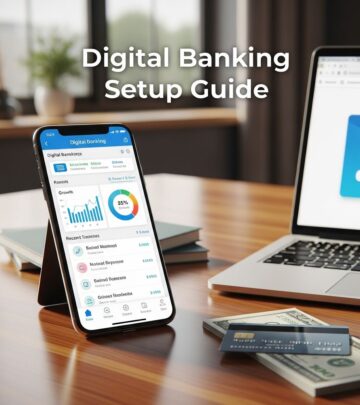
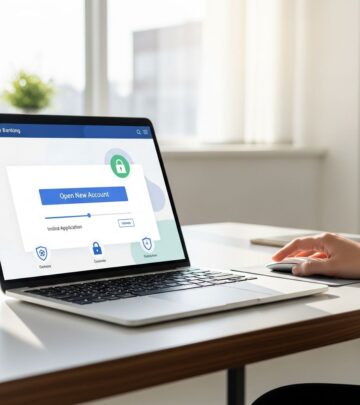
Getting started is straightforward: select a reputable provider, apply online or via app, verify identity, and fund the account. Many require minimal deposits and issue cards swiftly.
- Research FDIC-insured institutions for deposit safety up to $250,000.
- Gather ID, SSN, and funding source details.
- Download the app and enable notifications.
- Set up autopay and alerts for proactive management.
Transition gradually by linking existing accounts before fully switching.
Maximizing Value Through Advanced Features
Beyond basics, explore tools like financial dashboards that categorize expenses or forecast budgets. Integration with investment trackers or credit monitoring elevates control.
Business users benefit from payroll setups and bulk payments, streamlining operations.
Frequently Asked Questions
What exactly constitutes online banking?
It encompasses managing accounts digitally via apps or sites for tasks like payments and transfers.
Is online banking safe for daily use?
Yes, with encryption, alerts, and fraud monitoring, it’s highly secure.
Can I replace my traditional bank entirely?
Many do, enjoying lower costs and full digital services.
How do I handle technical issues?
Contact support via chat, phone, or app; resolutions are prompt.
Are there fees for online transactions?
Often none, and many offer perks like free deposits.
Future Trends Shaping Digital Finance
Emerging tech like AI-driven insights and voice banking promise even greater personalization. Contactless payments and blockchain enhancements will further secure and speed transactions.
As adoption grows, expect seamless integrations with everyday apps, making finance invisible yet omnipresent.
References
- Benefits of Online Banking and Online Accounts — FSNB. 2023. https://fsnb.com/blog-benefits-of-online-banking
- Benefits of Online Banking — Citi. 2024. https://www.citi.com/banking/personal-banking-guide/basic-finance/benefits-of-online-banking
- The Benefits of Online Banking: Convenience at Your Fingertips — Landmark National Bank. 2023. https://www.banklandmark.com/blog/the-benefits-of-online-banking-convenience-at-your-fingertips/
- What Is Online Banking? — Experian. 2024. https://www.experian.com/blogs/ask-experian/what-is-online-banking/
- What Is Online Banking? Definition, Pros and Cons — NerdWallet. 2024. https://www.nerdwallet.com/banking/learn/pros-cons-online-only-banking
- 5 Benefits and Advantages of Online Banking — Discover. 2023. https://www.discover.com/online-banking/banking-topics/making-your-life-easier-with-online-banking/
- Is Digital Banking for Me? — FDIC.gov. 2020-04-01. https://www.fdic.gov/consumers/consumer/news/april2020.html
Similar Articles








Read full bio of medha deb