Online Banking: Definition, Benefits, and Security
Master online banking: Explore benefits, features, and essential security practices for safe digital banking.
What Is Online Banking?
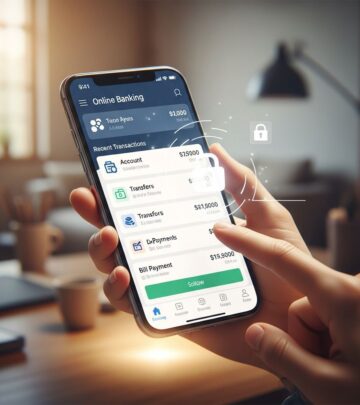
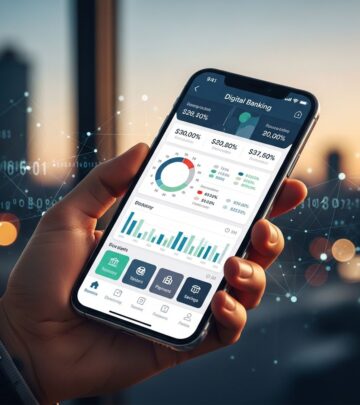
Online banking, also known as e-banking or internet banking, refers to financial transactions conducted through the internet using a bank’s website or mobile application. This digital banking method allows customers to access their accounts, manage finances, and perform various banking operations from anywhere at any time without visiting a physical branch. Online banking has become an essential component of modern financial services, enabling millions of people worldwide to handle their money conveniently and efficiently.
The shift toward online banking represents a fundamental transformation in how financial institutions deliver services and how customers interact with their banks. By leveraging secure digital platforms, banks provide customers with real-time access to their financial information and the ability to conduct complex transactions instantaneously, regardless of geographic location or time zone.
How Online Banking Works
Online banking operates through encrypted secure connections that protect sensitive financial data transmitted between the customer’s device and the bank’s servers. When you log into your online banking portal or mobile app, you authenticate your identity through credentials such as username and password, along with additional security measures like two-factor authentication. Once authenticated, customers gain access to their account information and can execute various financial transactions securely.
The technology infrastructure supporting online banking includes multiple layers of security protocols, encryption standards, and fraud detection systems. Banks employ sophisticated algorithms to monitor transactions in real-time, identifying suspicious activities and protecting customer accounts from unauthorized access. The backend systems process transactions through secure networks that comply with stringent regulatory requirements and industry standards.
Key Features and Services Offered
Modern online banking platforms provide comprehensive financial management tools and services that extend far beyond basic account access. These features have evolved significantly to meet diverse customer needs and preferences in an increasingly digital world.
- Account Monitoring: Real-time viewing of account balances, transaction history, and recent account activities
- Fund Transfers: Moving money between your own accounts, to other customers at the same bank, or to accounts at different financial institutions
- Bill Payment: Paying bills electronically to various merchants, utilities, and service providers directly from your account
- Mobile Deposits: Depositing checks by photographing them through a mobile app, eliminating the need to visit a branch
- Loan Management: Applying for loans, viewing loan details, making payments, and managing multiple loans through a single platform
- Investment Services: Buying and selling securities, managing investment portfolios, and accessing market research and analysis
- Financial Planning Tools: Budget tracking, savings goal setting, financial calculators, and personalized financial advice
- Alerts and Notifications: Customizable alerts for account activities, low balances, unusual transactions, and payment due dates
- Document Management: Accessing and downloading statements, tax documents, and other important financial records
- Customer Support: Live chat, email support, and phone assistance for resolving issues and answering questions
Benefits of Online Banking
Online banking offers numerous advantages that have made it increasingly popular among customers of all demographics and financial situations. These benefits extend beyond mere convenience, providing tangible improvements to how people manage their finances.
Convenience and Accessibility
Perhaps the most significant advantage of online banking is the unprecedented convenience it provides. Customers can conduct banking activities at any time, day or night, from virtually any location with internet access. This eliminates the constraints of traditional banking hours and geographic limitations, allowing working professionals, busy parents, and people in remote areas to manage their finances on their own schedule.
Cost Efficiency
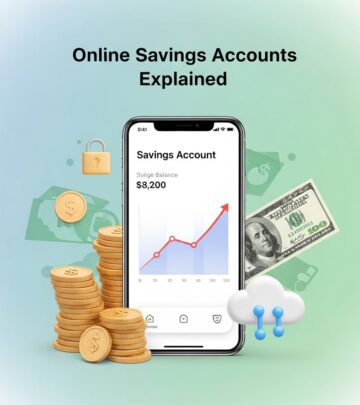
Online banking reduces operational costs for financial institutions, savings that are often passed on to customers through lower fees, higher savings rates, and reduced minimum account balances. Many online-only banks offer competitive interest rates and minimal fees compared to traditional banks with extensive branch networks.
Speed and Efficiency
Digital transactions process much faster than traditional methods. Fund transfers that once took several business days can now occur within hours or minutes. Bill payments are instantaneous, and information updates appear immediately rather than requiring processing time.
Enhanced Control and Transparency
Online banking provides real-time visibility into account balances and transaction histories, enabling customers to monitor their finances continuously. This transparency allows for better financial decision-making and helps customers identify errors or unauthorized transactions quickly.
Improved Financial Management
Built-in financial tools help customers budget effectively, track spending patterns, set savings goals, and understand their financial health. These features promote better financial literacy and encourage responsible money management habits.
Risks and Security Concerns
While online banking offers substantial benefits, it also introduces certain risks that customers must understand and actively manage. Security threats evolve constantly, requiring both banks and customers to remain vigilant.
Phishing and Social Engineering Attacks
Criminals create fraudulent emails, text messages, and websites that mimic legitimate banking communications to deceive customers into revealing sensitive information like usernames, passwords, and account numbers. These phishing attempts have become increasingly sophisticated, often including realistic branding and urgent language designed to provoke quick responses.
Malware and Keylogging
Malicious software can infect devices used for online banking, capturing keystrokes or screen recordings to steal credentials and personal information. Ransomware can lock customers out of their devices or encrypt important data until payment is made.
Man-in-the-Middle Attacks
Attackers can intercept data transmitted between a customer’s device and the bank’s servers if the connection is unsecured, potentially gaining access to sensitive banking information during transmission.
Account Takeover
If attackers successfully obtain login credentials through various means, they can access accounts directly and conduct fraudulent transactions. Weak passwords and reused credentials increase vulnerability to account takeover.
Identity Theft
Personal information obtained through online banking breaches can be used to open fraudulent accounts, apply for loans, or commit other forms of identity fraud that damage victims’ credit and financial standing.
Best Practices for Secure Online Banking
Protecting your online banking accounts requires a proactive approach combining strong security practices with awareness of potential threats. Implementing these best practices significantly reduces the risk of unauthorized access and fraud.
Create Strong, Unique Passwords
- Use passwords of at least 12-16 characters combining uppercase and lowercase letters, numbers, and special symbols
- Avoid using personal information, dictionary words, or sequential patterns
- Never reuse passwords across multiple accounts or platforms
- Consider using password managers to generate and store complex passwords securely
Enable Multi-Factor Authentication
Activate two-factor or multi-factor authentication whenever your bank offers it. This requires a second verification method beyond your password, such as a code sent via text message, an authenticator app, biometric verification, or security questions. This significantly increases security by ensuring that accessing your account requires more than just knowing your password.
Use Secure Networks Only
Only access your online banking through secure, private internet connections. Avoid using public WiFi networks at coffee shops, airports, or libraries, as these unencrypted networks are vulnerable to interception attacks. If you must use public WiFi, use a virtual private network (VPN) to encrypt your connection.
Verify Website Authenticity
Always verify that you’re accessing your bank’s legitimate website before entering login credentials. Check that the URL begins with “https://” (with the ‘s’ indicating secure encryption), look for a padlock icon in the address bar, and type the website address directly into your browser rather than clicking suspicious links.
Keep Devices Updated
Regularly install security updates and patches for your operating system, browsers, and banking applications. These updates address known vulnerabilities that criminals exploit to gain access to devices.
Monitor Accounts Regularly
Review your account statements and transaction history frequently, ideally weekly or monthly, to identify any unauthorized activity immediately. Set up account alerts to receive notifications of transactions, balance changes, and access attempts.
Be Cautious with Personal Information
Never share login credentials, personal identification numbers, or sensitive financial information via email, phone calls, or unsolicited messages. Legitimate banks never request this information through unsecured channels.
Online Banking vs. Traditional Banking
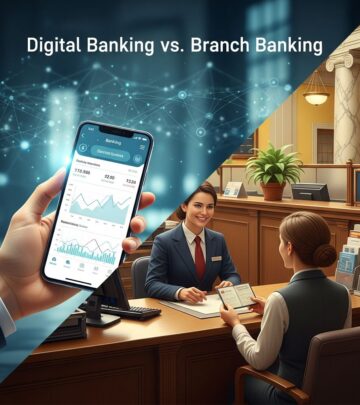
| Feature | Online Banking | Traditional Banking |
|---|---|---|
| Availability | 24/7 access from anywhere | Limited to business hours and branch locations |
| Speed | Instant or same-day processing | May take several business days |
| Fees | Generally lower fees | Often higher fees and minimum balances |
| Personal Service | Primarily self-service with chat/phone support | Face-to-face interactions with bank representatives |
| Security | Advanced encryption and fraud detection | Physical security measures |
| Technology Requirements | Internet connection and compatible device | No technology needed |
The Future of Online Banking
Online banking continues to evolve with emerging technologies transforming how customers interact with financial institutions. Artificial intelligence and machine learning enable more personalized banking experiences and sophisticated fraud detection. Mobile banking apps are becoming increasingly feature-rich and user-friendly. Blockchain technology and cryptocurrencies are introducing new possibilities for financial transactions. Voice banking through smart assistants and biometric authentication methods like facial recognition are becoming more prevalent. These technological advancements promise to make online banking even more convenient, secure, and accessible in the coming years.
Frequently Asked Questions (FAQs)
Q: Is online banking safe?
A: Yes, online banking is generally safe when you use strong security practices. Banks employ multiple layers of encryption, fraud detection systems, and security protocols. However, security also depends on your personal responsibility—using strong passwords, enabling multi-factor authentication, and avoiding phishing attempts are essential for protecting your accounts.
Q: What should I do if I notice unauthorized transactions?
A: Contact your bank immediately through their official customer service number (found on your bank statement or official website, not from search results). Report the unauthorized activity, and most banks will investigate and potentially reverse fraudulent transactions. Federal regulations typically limit your liability for unauthorized transactions if you report them promptly.
Q: Can I access online banking from my smartphone?
A: Yes, most banks offer mobile applications for smartphones and tablets that provide full online banking functionality. Mobile apps often include additional security features like biometric authentication and are generally as secure as web-based banking when downloaded from official app stores.
Q: How long do online fund transfers take?
A: Transfers between accounts at the same bank are typically instant or process within minutes. Transfers to other banks can take 1-3 business days through traditional methods, though many banks now offer expedited or real-time transfer services for an additional fee.
Q: What happens if my online banking session times out?
A: Most banks automatically log you out after a period of inactivity (typically 15-30 minutes) to protect your account if your device is left unattended. You’ll need to log in again with your credentials to resume banking activities. This automatic timeout is a security feature that prevents unauthorized access.
Q: Do online-only banks offer the same protections as traditional banks?
A: Yes, if they are federally insured. Most online banks are FDIC-insured institutions that offer the same deposit insurance protection (up to $250,000 per account category) as traditional banks. Always verify FDIC insurance status before opening an account with any bank.
References
- Consumer Protection Bureau – Protecting Your Financial Accounts — U.S. Consumer Financial Protection Bureau. 2024. https://www.consumerfinance.gov
- Federal Deposit Insurance Corporation – FDIC Insurance Coverage — Federal Deposit Insurance Corporation. 2024. https://www.fdic.gov/resources/deposit-insurance/
- Multi-Factor Authentication Standards and Security Measures — National Institute of Standards and Technology (NIST). 2023. https://pages.nist.gov/800-63-3/
- 2024 Internet Crime Report — Internet Crime Complaint Center (IC3). 2024. https://www.ic3.gov/
- Banking Security Best Practices and Encryption Standards — Federal Reserve System. 2023. https://www.federalreserve.gov/
Similar Articles








Read full bio of Sneha Tete