Olympic Figure Skating Costs: A Complete Breakdown
Discover the true financial investment required to compete at the Olympic level in figure skating.
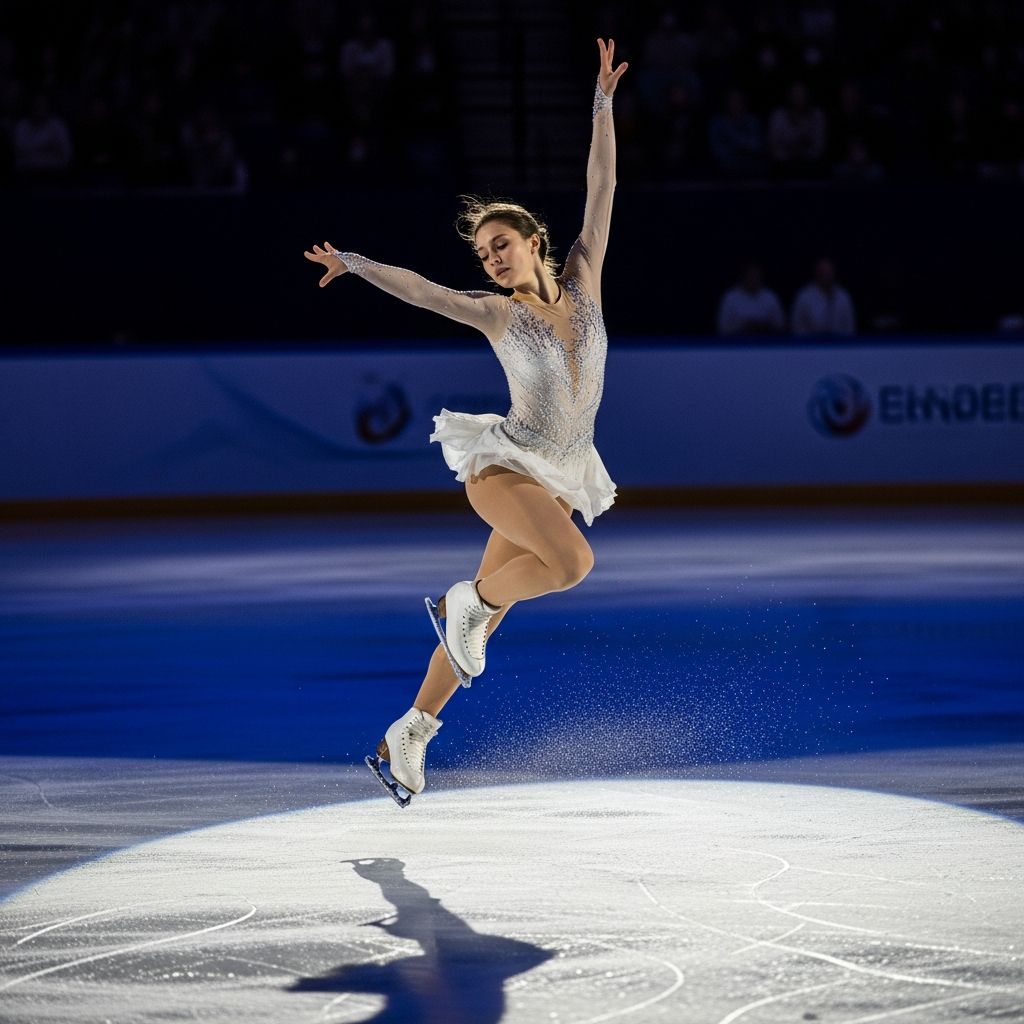
Figure skating stands as one of the most glamorous yet expensive sports in the Winter Olympics. While audiences marvel at the artistry and technical skill displayed on ice, few understand the substantial financial investment required to reach the Olympic stage. Athletes and their families must navigate a complex landscape of expenses that can easily exceed $50,000 annually. Understanding where this money goes reveals the true cost of competitive excellence in this demanding sport.
The Total Investment: What Families Should Expect
The financial commitment to Olympic-level figure skating is staggering. Aspiring Olympians typically spend between $35,000 and $50,000 per year, and this figure often represents only the direct training costs. For young skaters just beginning their competitive journey, expenses start at a minimum of $10,000 annually, covering basics like ice time, coaching, boots, blades, costumes, choreography, and training. As skaters advance through competitive levels, costs escalate dramatically.
The long-term financial burden cannot be overstated. Many Olympic competitors begin training during early childhood, accumulating expenses year after year. One elite skater and her family documented spending $500,000 over their career just covering ice time, coaching, choreography, dance classes, costumes, ice skates, registration fees, and travel expenses. Even legendary figure skater Tara Lipinski’s training costs in 1994 reached approximately $50,000 annually, including living expenses, coaching, ice time, travel, and costumes.
Practice Time and Private Coaching Fees
Private coaching represents one of the largest recurring expenses in figure skating. Intermediate skaters and above require a minimum of three to four 45-minute practice sessions daily, occurring about six times weekly. Olympic-level competitors typically train for significantly longer periods, requiring intensive personalized instruction.
Coaching fees vary based on the coach’s experience and reputation. Private coaching rates typically range from $65 to $120 per hour. With skaters requiring multiple sessions daily for six days weekly, this translates to substantial weekly costs. Beyond basic practice sessions, skaters also invest in supplemental coaching and choreography, which can cost between $1,500 and $5,000 annually for a single program. When combined with regular coaching fees, families often spend over $1,000 weekly just on training-related expenses.
The investment in coaching quality cannot be understated. Elite coaches command premium rates, but their expertise directly impacts competitive performance. Many families find that hiring experienced choreographers and specialized coaches for different skill areas—such as jumps, spins, and artistic interpretation—becomes necessary to compete effectively at higher levels.
Costumes, Skates, and Equipment
The visual spectacle of figure skating requires significant investment in costumes and specialized equipment. Modern competitive skating costumes are typically custom-designed by high-end designers rather than simple off-the-rack outfits. These handcrafted garments can cost anywhere between $500 and $5,000, with the median price for an Olympic-level dress reaching approximately $3,000.
Beyond costumes, skates themselves represent a considerable expense. Competition-level skating boots and blades cost between $1,000 and $1,500. Unfortunately, these items are not long-lasting investments. Olympic-level skaters typically wear out their skates annually due to the intense demands of training and competition. The ongoing maintenance costs add to this burden—skating blades require regular sharpening, and laces need constant replacement.
Figure skaters frequently require multiple sets of costumes for different programs throughout the competitive season. Many compete with both a short program costume and a long program costume, each requiring separate designs and construction. Replacement and maintenance of these specialized garments represents an ongoing expense that accumulates throughout an athlete’s career.
Appearance and Personal Presentation
Professional presentation extends beyond the costume itself. Many Olympic skaters invest in professional hair and makeup services before competitions. These services typically cost between $90 and $140 per application. When considering the multiple competitions throughout a season, these expenses accumulate significantly.
The emphasis on appearance reflects figure skating’s unique position as both an athletic and artistic endeavor. Athletes understand that judges evaluate not only technical skill but also presentation and choreographic interpretation. This dual focus necessitates investment in professional services that enhance their competitive presentation.
Travel and Accommodation Expenses
Competitive figure skating requires extensive travel throughout the season. Athletes must travel to various regional, national, and international competitions. Airfare alone represents a substantial cost, with annual travel expenses reaching up to $10,000 per year. Significantly, skaters typically pay not only for their own travel but also for their coaches’ airfare and accommodations, substantially increasing overall travel costs.
Beyond competition travel, many families relocate to training centers where elite coaching is available. This relocation often involves significant housing costs, meals, and general living expenses. Some families maintain dual residences—one for school and family stability and another near the training facility—creating additional financial strain.
Physical Therapy and Medical Support
The physical demands of figure skating necessitate ongoing medical support. Many Olympic-level skaters receive regular physical therapy and massage services to maintain optimal physical capacity and prevent injuries. These sessions typically cost up to $350 per session. Elite athletes often require multiple sessions weekly, representing another substantial recurring expense.
Beyond standard physical therapy, skaters may need specialized medical care, including consultations with sports medicine physicians, orthopedic specialists, and nutritionists. These healthcare costs are often not covered by insurance and represent out-of-pocket expenses for families.
Competition Fees and Registration
Athletes must pay fees to compete in various competitions throughout the season. National competition entry fees vary but represent significant costs. One skater documented competition entry fees for her season at $370, but this represented only domestic competition costs. International competition fees and qualifying event fees add substantially to these costs.
Additionally, skaters must pay for practice ice time at competition venues before their performances. While this may seem like a basic service, some venues charge separately for practice sessions in addition to competition entry fees. These ancillary costs accumulate throughout a competitive season.
The Long-Term Financial Commitment
Perhaps the most striking aspect of figure skating costs is their duration. Most Olympic skaters begin their careers in early childhood and train continuously for 10-15 years before reaching the Olympic stage. One American competitor, Bradie Tennell, began competing at age six and had invested 14 years of private lessons and countless pairs of outgrown skates by the time she competed at the Pyeongchang Olympics.
This extended timeline means families cannot treat figure skating as a short-term investment. The cumulative financial burden over a decade or more creates significant pressure on family finances. Families must commit not just to a single year of expenses but to years of substantial financial outlay without guarantee of Olympic qualification or success.
Prize Money and Financial Returns
While expenses are substantial and consistent, prize money opportunities are limited and highly disparate. International competition prize money varies significantly by event and placement. At the World Championships, the disparity between winners and lower-placed finalists is substantial—a singles skater who won Worlds in 2019 received $64,000, while a sixth-place finisher received only $8,000. Lower-level competitions offer considerably less prize money, with Challenger series victors receiving only around $4,000.
For context, these prize amounts rarely offset annual training costs. A skater earning $8,000 to $64,000 from a top international competition still faces $35,000 to $50,000 in annual expenses. Additionally, prize money is only available for skaters who qualify for and compete in major events, making it inaccessible to developing athletes.
Financial Support and Grants
Various skating organizations and sponsors provide some financial support. The U.S. Figure Skating and international skating bodies allocate funds to help athletes. For the Pyeongchang Olympics, a total of $4,595,000 was allocated for figure skating assistance. However, this funding is distributed among numerous athletes and coaches, meaning individual grants remain modest relative to total training costs.
For the 2018-2019 season, the U.S. allocated $1,660,000 to help skaters—again, a significant amount when distributed across the entire athlete population. Skate Canada, for example, allocated $48,000 for seniors, ranging from $13,000 for first-place finishers to $5,000 for fifth-place finishers. While helpful, these grants typically cover only a fraction of annual expenses.
Breakdown of Annual Expenses
Understanding where the $35,000-$50,000 annual investment goes provides valuable perspective:
| Expense Category | Estimated Annual Cost |
|---|---|
| Private Coaching and Training | $15,000 – $25,000 |
| Choreography and Programs | $2,000 – $5,000 |
| Costumes | $3,000 – $7,000 |
| Skates and Equipment | $2,000 – $3,000 |
| Competition Fees | $1,000 – $2,000 |
| Travel and Accommodation | $5,000 – $10,000 |
| Physical Therapy and Medical | $2,000 – $4,000 |
| Hair, Makeup, and Miscellaneous | $1,000 – $2,000 |
Frequently Asked Questions
Q: At what age should figure skating training begin?
A: Most competitive figure skaters begin training between ages 4-8. However, serious competitive training typically intensifies around ages 10-12 as skaters advance through competitive levels.
Q: Can figure skating scholarships help cover costs?
A: Limited scholarship opportunities exist through figure skating associations and some colleges. However, scholarships typically cover only a portion of total training costs, and competition for these awards is intense.
Q: Are there financial assistance programs available?
A: Various skating organizations provide grants and financial assistance, but these typically cover only a fraction of annual expenses. Families must research local, national, and international programs specific to their situation.
Q: What is the minimum investment to compete at the Olympic level?
A: While some athletes train for less, most experts recommend budgeting at least $35,000-$50,000 annually for Olympic-level training. This does not include living expenses or relocation costs if applicable.
Q: Do sponsorships help offset training costs?
A: Sponsorships can provide significant financial support for elite athletes, but typically only after athletes have achieved considerable competitive success. Sponsorship opportunities are limited and competitive.
References
- Here’s how much it costs to become an Olympic figure skater — Business Insider. 2018-02-09. https://www.businessinsider.com/olympic-figure-skater-costs-2018-2
- Episode 31: The Cost of Figure Skating (feat. Interview with Tim) — In the Loop Podcast. 2019-06-09. https://www.inthelopodcast.com/news/2019/06/09/episode-31-transcript
- U.S. Figure Skating Official Resources — U.S. Figure Skating. 2024. https://www.usfigureskating.org
- What are typical figure skating costs? — Golden Skate Forum. 2024. https://www.goldenskate.com/forum/threads/what-are-typical-figure-skating-costs.71641/
Similar Articles








Read full bio of Sneha Tete