Old Stuff: How to Kindly Receive and Reuse
Master the art of graciously accepting gifts and hand-me-downs while transforming them into practical, money-saving treasures for your home.

Receiving hand-me-downs, gifts, or “regifted” items from friends and family can be a delicate situation. You want to show appreciation without adding clutter to your home. This guide teaches you how to graciously accept these offerings while discovering innovative ways to
reuse and repurpose
them, turning potential trash into everyday treasures. By embracing thereduce, reuse, recycle
philosophy, you not only save money but also minimize environmental impact.Graciously Receiving Unwanted Items
When someone offers you their old belongings—whether it’s clothing, kitchenware, or miscellaneous household goods—your first instinct might be to decline. However, a polite acceptance followed by creative repurposing keeps relationships strong and your wallet happy. Here’s how to handle it step-by-step:
- Express sincere thanks immediately: Say, “Thank you so much! I appreciate you thinking of me.” This validates their gesture without committing to immediate use.
- Assess usability privately: Take the item home and evaluate if it fits your needs, can be donated, sold, or repurposed.
- Set boundaries gently: If overwhelmed, kindly say, “I love that you’re sharing, but space is tight—maybe next time?”
- Follow the hierarchy:
Rethink
(do you need it?),Reduce
(limit intake),Reuse
(repurpose),Recycle
(process materials), and trash only as a last resort.
This approach, drawn from frugal living principles, ensures you honor the giver while staying organized. Many people repurpose items like old T-shirts into cleaning rags or dog toys, extending their life cycle.
Creative Ways to Repurpose Common Household Items
Old stuff doesn’t have to gather dust. Below are proven
repurposing ideas
for everyday items, categorized for easy reference. These tips draw from sustainable practices like composting shredded paper or using fabric scraps creatively.Clothing and Fabrics
- **Old T-shirts and socks:** Cut into cleaning rags, dusters, or stuff with pencil shavings for draft stoppers. Lone socks organize small toys, screws, or act as shoe covers for messy tasks.
- **Pantyhose or knee-highs:** Stuff with dryer sheets for odor-absorbing shoe inserts; use as plant ties or sifters for powders.
- **Worn-out jeans:** Transform pockets into wall organizers; denim scraps make sturdy aprons or pet bed filling.
Kitchen and Food-Related Items
| Item | Repurpose Ideas | Benefits |
|---|---|---|
| Glass jars (jam, pickles) | Storage for spices, cotton balls; candle holders; plant terrariums | Free organization; zero-waste decor |
| Egg cartons | Seed starters; paint palettes; battery organizers | Biodegradable gardening aid |
| Aluminum foil scraps | Line oven trays; scrub pans; garden pest deterrent | Extends life of disposables |
| Plastic bags | Trash liners; produce bags; weave into mats | Reduces plastic waste |
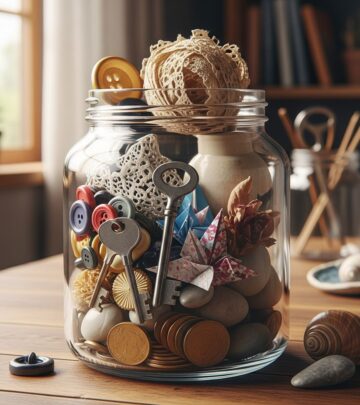
Glass jars, in particular, offer endless versatility. Remove labels with hot water and soap, then use for pantry staples or DIY gifts like layered cookie mixes.
Bathroom and Cleaning Supplies
- **Shower curtains:** Outdoor tablecloths, drop cloths for painting, or windshield frost covers in winter.
- **Toilet paper rolls:** Cord organizers, seed pots, or fire starters when stuffed with dryer lint.
- **Old toothbrushes:** Grout scrubbers, craft tools for small painting jobs.
Paper and Office Supplies
Shredded paper shines in repurposing: add to compost for carbon balance, use as pet bedding, packing material, or wrap fragile gifts. For larger scales, DIY paper recycling blends scraps into new sheets using a blender and screen frame—costing under $10 for basics.
- **Envelopes and junk mail:** Draft paper, shopping lists, or kids’ crafts.
- **Cardboard boxes:** Storage bins, kid forts, or insulation fillers.
Electronics and Miscellany
- **Broken appliances:** Salvage parts for repairs; wires for crafts.
- **Wine corks:** Coasters, bulletin boards, or garden mulch.
- **Cookie sheets (warped):** Magnet boards for kitchen notes.
These ideas align with community-scale solutions, like turning paper waste into insulation or tissue via affordable machines ($5k+), ideal for eco-villages.
Advanced Repurposing: From Trash to Treasure
Take reuse further by hosting
clothing swaps
with friends—exchange outfits without spending a dime. Sell usable items on platforms like Craigslist or eBay after minor repairs. For non-functional goods, dismantle: metals to recycle, fabrics to upcycle. Retirees often repurpose hurricane shutters into garden beds or buckets for container planting, proving frugality spans generations.Consider business potential: Repurposed goods like handmade rags or recycled paper products can generate income. Compare options in this table:
| Method | Cost | Labor | Sustainability | Business Potential |
|---|---|---|---|---|
| Composting paper | Free | Low | High | Low |
| DIY paper recycling | <$10 | Medium | High | Medium |
| Industrial shredder/insulation | $1k+ | High | Very High | High |
Environmental and Financial Benefits
Reusing cuts landfill waste—paper alone recycles easily, reducing deforestation. Financially, one person saved $30,000 by buying and reusing vintage goods exclusively. Start small: Swap yard sale leftovers for thrift donations, or trade with friends for fun, zero-cost upgrades.
Frequently Asked Questions (FAQs)
Q: How do I politely decline more hand-me-downs?
A: Say, “Thanks for offering, but we’re simplifying our space right now. Could you donate it instead?” This is kind and redirects positively.
Q: What’s the best first step for repurposing clothes?
A: Sort into keep, donate, upcycle piles. Cut wearable fabrics into rags or quilts for immediate use.
Q: Can I make money from old jars?
A: Yes! Fill with homemade jams or candles for Etsy sales, or use in subscription boxes.
Q: Is composting paper effective?
A: Absolutely—shredded paper adds carbon to balance greens, speeding decomposition without pests if layered properly.
Q: How to organize a clothing swap?
A: Invite friends, set a clean/good-condition rule, provide snacks, and let everyone pick new-to-them items.
Getting Started: Your Repurposing Action Plan
Dedicate one weekend to inventory your “old stuff.” Categorize, repurpose what you can, and share the rest. Track savings: A repurposed shower curtain saves $20 on drop cloths; jars eliminate $10/month in storage buys. Share your successes in comments or swaps—community amplifies impact.
References
- Best Small and Large-Scale Paper Recycling, Reuse and Repurposing Options — One Community Global. 2023-05-15. https://onecommunityglobal.org/best-small-and-large-scale-paper-recycling-reuse-and-repurposing-options/
- 10 Ways to Reuse Common Household Items — Wise Bread. 2010-08-12. https://www.wisebread.com/10-ways-to-reuse-common-household-items
- Recent Comments on Wise Bread — Wise Bread. Accessed 2026. https://www.wisebread.com/comments?page=2704
- Save Money by Rekindling the Art of Reusing Your Stuff — Wise Bread. 2012-03-20. https://www.wisebread.com/save-money-by-rekindling-the-art-of-reusing-your-stuff
- How EPA Works to Reduce Reuse and Recycle Municipal Waste — U.S. Environmental Protection Agency (EPA). 2025-01-10. https://www.epa.gov/recycle/reducing-and-reusing-basics
- Household Waste Recycling — World Bank Group. 2024-11-05. https://www.worldbank.org/en/topic/urbandevelopment/brief/solid-waste-management
Similar Articles








Read full bio of Sneha Tete