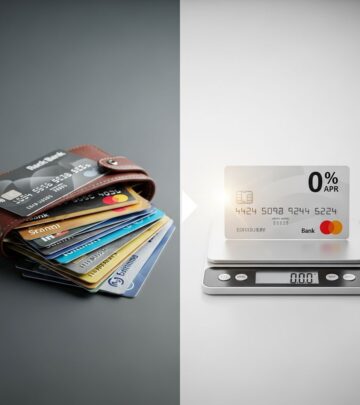
Old Credit Card After Balance Transfer: What To Do Next
Discover what happens to your previous credit card once you've transferred its balance to a new account for better rates and savings.

A balance transfer involves shifting debt from a high-interest credit card to one offering a lower or promotional 0% APR, helping reduce interest costs during the introductory period. Once completed, questions arise about the original card’s future: should it stay open, get closed, or be repurposed? Understanding these options is crucial for maintaining financial health and credit standing.
Understanding the Balance Transfer Process
Before diving into post-transfer decisions, grasp how the process unfolds. You select a new card with favorable terms, apply, and provide details like the old account number, balance amount, and issuer information. The new issuer pays off the old debt directly, adding the transferred amount—plus a typical 3-5% fee—to your new card’s balance.
Transfers can take 2 weeks to 6 weeks, so continue minimum payments on the old card to avoid fees or credit damage. Promotional rates often last 12-21 months, emphasizing the need for aggressive payoff plans.
Immediate Status of Your Old Credit Card
After the transfer posts as a payment, the old card’s balance drops to zero (excluding any non-transferred charges). It remains active unless you instruct closure. The account doesn’t automatically shut down; issuers keep it open for potential future use.
- Balance Zeroed Out: Transferred debt is cleared, but watch for pending interest or fees accruing pre-transfer.
- Account Active: You can still use it for new purchases unless restricted by terms.
- Credit Reporting: The zero balance reports positively, aiding utilization ratios.
Strategic Options for Managing the Old Card
Deciding the old card’s fate impacts credit scores, spending habits, and debt cycles. Weigh pros and cons carefully.
Keeping the Card Open
Maintaining an open, zero-balance card boosts available credit, lowering overall utilization—a key credit score factor (30% of FICO). It preserves account age, contributing 15% to your score.
| Pros | Cons |
|---|---|
| Improves credit utilization | Temptation for new debt |
| Maintains credit history length | Annual fees if applicable |
| Backup for emergencies | Multiple accounts to track |
Best for disciplined users planning occasional, paid-off use.
Closing the Account
Closure simplifies finances but risks score drops from reduced credit limits and shorter history. Avoid if utilization exceeds 30% elsewhere.
- Request closure via phone or online after confirming zero balance.
- Wait 1-2 billing cycles for updates across bureaus.
Repurposing for Rewards or Benefits
Use for rewards categories (e.g., cashback on groceries) if the card excels there, paying in full monthly to sidestep interest.
Credit Score Implications Post-Transfer
Transfers cause temporary inquiries (hard pulls, 10% score weight) but long-term benefits if paid timely. Closing old cards can raise utilization on remaining ones, potentially harming scores.
Monitor via free weekly reports from AnnualCreditReport.com. Positive payment history from the old card continues benefiting your profile even if closed.
Potential Costs and Fees to Watch
Beyond transfer fees (3-5%), note:
- Pre-Transfer Interest: Accrues until payoff posts.
- Annual Fees: Waive or close fee-bearing cards.
- Over-Limit Risks: New purchases on old card could complicate matters.
Calculate savings: For $10,000 at 20% APR vs. 0% intro, save ~$1,667 yearly pre-fee.
Best Practices for Post-Transfer Success
- Verify Transfer: Check statements on both cards for accuracy.
- Avoid New Debt on Old Card: Freeze or remove from digital wallets.
- Accelerate Payoff: Direct extra funds to principal during promo period.
- Track Promo Expiration: Set alerts; rates jump post-intro (often 15-25%).
- Build Emergency Fund: Reduce reliance on credit.
Common Mistakes and How to Avoid Them
Avoid racking new charges on either card, missing payments (loses promo APR), or ignoring fees. Partial transfers leave residual debt at high rates—transfer fully if possible.
Who Benefits Most from Balance Transfers?
Ideal for those with good credit (670+ FICO) qualifying for top offers, carrying $1,000+ balances, and committed to payoff. Not for chronic overspenders.
Alternatives if Transfer Isn’t Ideal
- Debt consolidation loans (fixed rates).
- 0% purchase APR cards.
- Negotiate hardship rates with current issuer.
- Credit counseling via NFCC.org.
Frequently Asked Questions
Can I transfer a balance to a card from the same issuer?
Typically no, due to policy restrictions.
How long until the transfer completes?
2-6 weeks; keep paying old card minimums.
Does closing the old card hurt my score?
Possibly, via higher utilization and lost history.
Can I use the old card after transfer?
Yes, but pay off new charges immediately to avoid interest.
What if I can’t pay off before promo ends?
Refinance or transfer again, but fees compound.
Long-Term Debt Management Strategies
Beyond transfers, adopt budgeting (50/30/20 rule), automate payments, and review statements monthly. Tools like apps track spending; aim for <10% utilization long-term.
Balance transfers shine as a reset button, but pair with habits like living below means. Consult non-profits for personalized plans if overwhelmed.
References
- What Is a Balance Transfer? Should I Do One? — NerdWallet. 2023-10-15. https://www.nerdwallet.com/credit-cards/learn/what-is-a-balance-transfer
- How a Credit Card Balance Transfer Works — Equifax. 2024-05-20. https://www.equifax.com/personal/education/credit-cards/articles/-/learn/transfer-credit-card-balance/
- What is a Balance Transfer & How Does it Work? — Bank of America Better Money Habits. 2024-02-10. https://bettermoneyhabits.bankofamerica.com/en/debt/how-do-balance-transfers-work
- When does a Credit Card Balance Transfer Make Sense? — Fifth Third Bank. 2023-11-05. https://www.53.com/content/fifth-third/en/financial-insights/personal/credit-cards/when-does-a-credit-card-balance-transfer-make-sense.html
- How to Do a Credit Card Balance Transfer — American Express. 2024-01-22. https://www.americanexpress.com/en-us/credit-cards/credit-intel/how-to-transfer-credit-card-balance/
- How to do a balance transfer — Navy Federal Credit Union. 2024-03-12. https://www.navyfederal.org/loans-cards/credit-cards/cardholder-resources/balance-transfers.html
- What Is a Balance Transfer and Is it Worth it? — Experian. 2024-04-08. https://www.experian.com/blogs/ask-experian/what-is-a-balance-transfer-and-how-does-it-work/
Similar Articles








Read full bio of medha deb