Oil and Gas Industry Overview: Structure and Investment
Comprehensive guide to understanding the oil and gas sector's structure, operations, and investment opportunities.
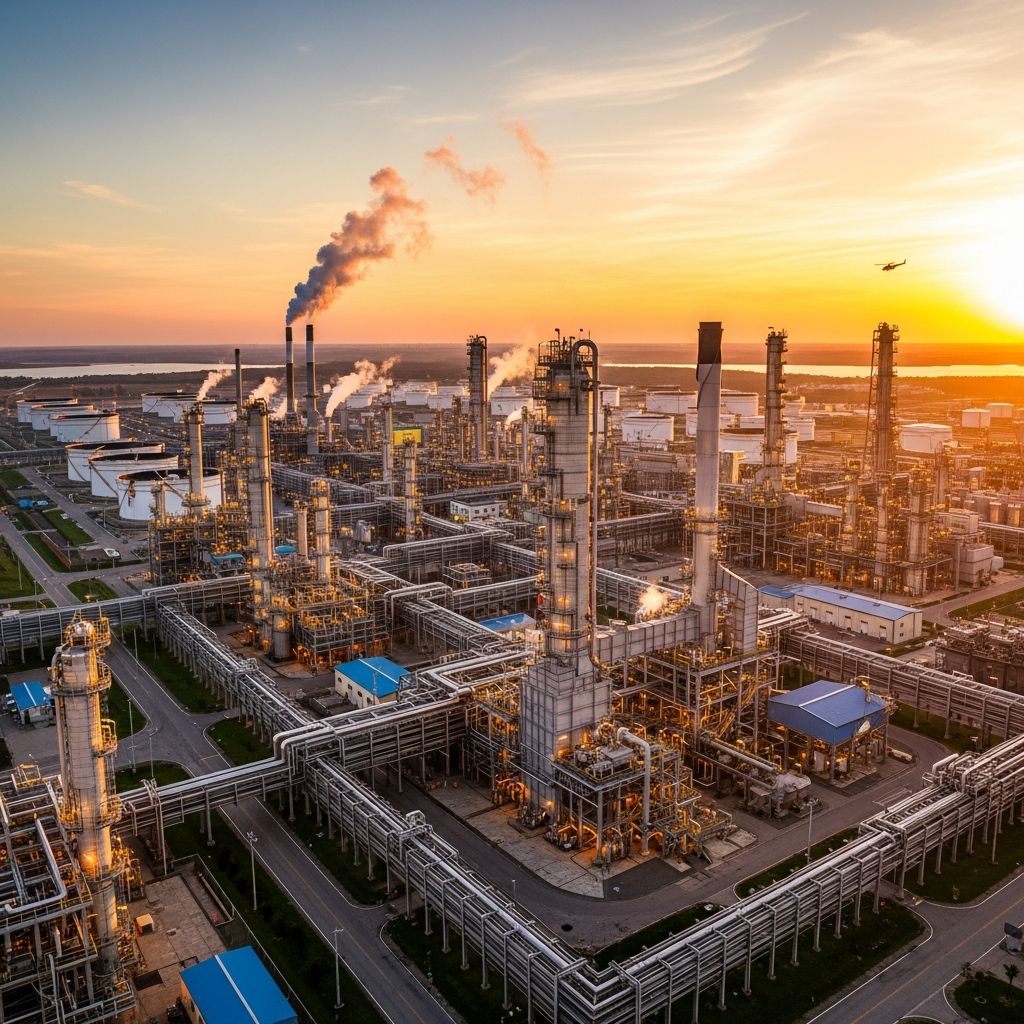
The oil and gas industry represents one of the world’s most significant economic sectors, playing a crucial role in global energy supply and economic development. Understanding the structure, operations, and investment landscape of this industry is essential for investors, professionals, and stakeholders seeking to navigate the energy market. This comprehensive overview examines the key components, business segments, and investment considerations within the oil and gas sector.
Understanding the Oil and Gas Industry Structure
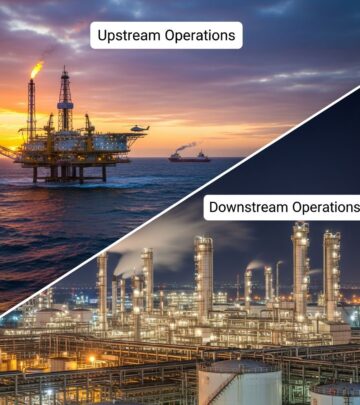
The oil and gas industry operates through a complex network of interconnected segments, each serving distinct functions within the value chain. The industry is traditionally divided into three primary sectors: upstream, midstream, and downstream operations. Additionally, the industry encompasses service companies that support operations across all segments.
This integrated structure ensures that crude oil and natural gas are efficiently extracted, transported, processed, and delivered to end consumers. The relationships between these segments create a comprehensive ecosystem where each plays a vital role in bringing energy resources to market.
Upstream Operations: Exploration and Production
The upstream sector represents the first stage of the oil and gas value chain, focusing on the discovery and extraction of hydrocarbon resources. This segment is often considered the most capital-intensive and highest-risk portion of the industry.
Exploration Phase
Exploration begins with geological and geophysical surveys to identify potential hydrocarbon reserves. Companies utilize advanced seismic imaging, drilling techniques, and data analysis to locate promising prospects. This phase requires substantial investment with no guarantee of commercial discovery.
- Seismic surveys map subsurface geological structures
- Exploratory drilling tests potential reserves
- Risk assessment determines commercial viability
- Regulatory permits and environmental reviews required
Development and Production
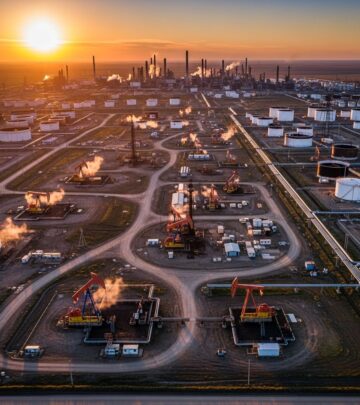
Once viable reserves are discovered, companies develop infrastructure for production. This includes drilling wells, installing platforms, and constructing facilities to extract and process crude oil and natural gas. Production operations continue throughout the productive life of the field, which may span decades.
Key production metrics include proven reserves, production rates, and reserve replacement ratios. Companies must continuously invest in maintaining and expanding production capacity to sustain revenue streams.
Midstream Operations: Transportation and Storage
Midstream companies specialize in transporting, storing, and marketing crude oil and natural gas from production sites to refineries and end markets. This segment includes pipeline operators, terminal facilities, and storage operators.
Pipeline Networks
Pipelines represent the primary transportation method for oil and gas, offering cost-effective bulk movement across vast distances. Major pipeline networks cross continents, connecting production regions to consumption centers and refineries.
- Crude oil pipelines transport unrefined petroleum
- Natural gas pipelines distribute gas to utilities and industries
- Product pipelines carry refined petroleum products
- Pipeline infrastructure requires significant capital investment and ongoing maintenance
Storage and Terminal Facilities
Storage facilities maintain inventory of crude oil and petroleum products, providing buffer capacity for supply fluctuations. Terminal facilities serve as collection and distribution points, enabling efficient logistics management throughout the supply chain.
Downstream Operations: Refining and Distribution
The downstream sector encompasses refining crude oil into usable petroleum products and distributing these products to retailers and consumers. This segment bridges the gap between raw resource extraction and end-user consumption.
Refining Processes
Refineries employ complex processes to convert crude oil into valuable products including gasoline, diesel, jet fuel, heating oil, and lubricants. Refining operations involve distillation, cracking, reforming, and blending processes to produce specification-grade products.
- Crude distillation separates oil into basic components
- Cracking breaks larger molecules into lighter products
- Reforming improves fuel quality characteristics
- Blending combines components to meet product specifications
Distribution Networks
Distribution encompasses moving refined products from refineries to retail outlets, including gas stations, convenience stores, and bulk suppliers. Distribution networks ensure product availability and accessibility for consumers and businesses.
Oil and Gas Service Companies
Service companies provide specialized support across all industry segments, offering contract drilling, well servicing, equipment manufacturing, consulting, and technical services. These companies address specific operational needs while reducing capital requirements for larger operators.
Major service companies include contract drillers, engineering firms, equipment suppliers, and specialized technical consultants. These organizations often serve multiple operators and geographic regions, diversifying their revenue streams.
Key Industry Players and Market Structure
The oil and gas industry includes both integrated companies that operate across multiple segments and specialized companies focusing on specific sectors. Major integrated oil companies operate globally with diverse portfolios, while independent producers focus on exploration and production in specific regions.
Integrated Oil Companies
Integrated companies control operations from exploration through retail distribution, capturing value across the entire value chain. This vertical integration provides operational flexibility and reduces exposure to individual segment volatility.
Independent Producers
Independent companies typically focus on exploration and production activities without refining or retail operations. This specialization allows efficient capital allocation and operational focus, though it increases exposure to commodity price fluctuations.
Commodity Price Dynamics and Market Factors
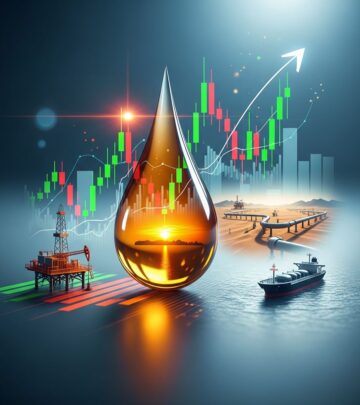
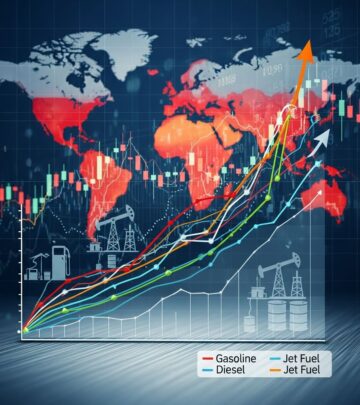
Oil and gas prices respond to complex global supply and demand dynamics, geopolitical factors, and economic conditions. Crude oil prices serve as benchmarks for the industry, influencing downstream product pricing and operational profitability.
Supply and Demand Factors
- Global economic growth drives energy demand
- Production capacity and reserve depletion affect supply
- Seasonal demand variations impact pricing
- Inventory levels influence short-term price movements
- Technological advancements enable new supply sources
Geopolitical Influences
Production disruptions, trade relations, and political instability in major producing regions can dramatically impact global oil and gas supplies and prices. Major production regions include the Middle East, Russia, North America, and Africa.
Investment Opportunities in Oil and Gas
The oil and gas industry offers multiple investment avenues for different risk tolerances and investment objectives. From publicly traded stocks to specialized funds, investors can gain exposure to energy markets through various vehicles.
Direct Stock Investment
Investors can purchase shares of integrated oil companies, independent producers, midstream operators, and service companies. Stock selection depends on operational focus, geographic exposure, financial strength, and growth prospects.
Exchange-Traded Funds (ETFs)
ETFs provide diversified exposure to oil and gas companies, sectors, or commodities without requiring individual security selection. These instruments offer liquidity and simplified portfolio management for investors seeking energy sector exposure.
Mutual Funds
Professionally managed mutual funds focusing on energy or oil and gas sectors allow passive investors to gain industry exposure while delegating management decisions to experienced fund managers.
Commodity and Futures Markets
Direct commodity investing through futures contracts, options, and specialized trading accounts provides opportunities for commodity price exposure. These instruments require sophisticated understanding and carry elevated risk.
Environmental, Social, and Governance (ESG) Considerations
Environmental concerns, climate change initiatives, and regulatory developments increasingly influence oil and gas industry dynamics. Companies implementing sustainable practices, reducing emissions, and diversifying into renewable energy sources are adapting to evolving market conditions.
Investors increasingly incorporate ESG factors into investment decisions, affecting capital allocation and valuation multiples across the industry. Companies demonstrating strong ESG practices often access capital more readily and maintain operational licenses in regulated jurisdictions.
Regulatory Environment and Compliance
The oil and gas industry operates under comprehensive regulatory frameworks addressing exploration permits, environmental protection, safety standards, and labor practices. Regulatory compliance significantly influences operational costs and project feasibility.
- Environmental impact assessments required for projects
- Safety regulations mandate operational standards
- Labor and employment laws govern workforce practices
- Tax regulations affect project economics
- Export and trade regulations impact market access
Technological Innovation and Efficiency Improvements
Technological advancements continue improving extraction efficiency, reducing operational costs, and enabling access to previously uneconomical resources. Innovations in drilling, seismic imaging, and processing technologies expand the industry’s productive capacity.
Digitalization, artificial intelligence, and automation technologies are revolutionizing operations, improving safety, reducing costs, and enhancing decision-making throughout the industry.
Global Energy Demand Trends
Long-term energy demand projections consider economic development, population growth, electrification trends, and renewable energy adoption. While renewable energy expands, oil and gas remain critical energy sources, particularly for transportation and industrial applications.
Emerging economies continue increasing energy consumption, supporting long-term oil and gas demand growth despite renewable energy expansion in developed nations.
Frequently Asked Questions
Q: What are the main segments of the oil and gas industry?
A: The industry consists of upstream (exploration and production), midstream (transportation and storage), and downstream (refining and distribution) segments, plus supporting service companies providing specialized equipment and technical expertise.
Q: How do oil prices affect investment returns in the energy sector?
A: Oil prices directly impact profitability for producers and integrated companies. Higher prices improve margins and cash flow, while lower prices compress profitability. Midstream companies often have more stable returns as they derive revenue from transportation volumes rather than commodity prices.
Q: What are the risks associated with oil and gas investing?
A: Key risks include commodity price volatility, exploration and development risks, regulatory and environmental concerns, geopolitical instability, technological disruption, and climate policy impacts. Diversification and careful risk assessment help manage these exposures.
Q: Can individual investors invest directly in oil and gas commodities?
A: Yes, individual investors can access oil and gas commodities through futures contracts, commodity ETFs, and specialized trading accounts. However, direct commodity investing requires substantial knowledge and carries significant risk compared to stock investing.
Q: How does the transition to renewable energy affect the oil and gas industry?
A: While renewable energy is expanding, oil and gas remain essential for transportation, heating, and industrial processes. Many companies are diversifying into renewable energy and cleaner fuel sources while maintaining traditional operations. The transition creates both challenges and opportunities for industry participants.
Q: What is the difference between integrated and independent oil companies?
A: Integrated companies operate across exploration, production, refining, and distribution, capturing value throughout the supply chain. Independent companies typically focus on exploration and production, maintaining operational specialization and often achieving higher returns on assets in favorable market conditions.
Q: How important are midstream companies in the oil and gas value chain?
A: Midstream companies are critical infrastructure providers, controlling access to markets through pipeline networks, storage facilities, and transportation services. Many investors favor midstream companies for stable cash flows and modest growth characteristics compared to upstream volatility.
References
- U.S. Energy Information Administration – Oil and Gas Overview — U.S. Department of Energy. 2024-11-15. https://www.eia.gov/energyexplained/oil-and-petroleum/
- International Energy Agency – Oil Market Report — IEA Publications. 2024-11-01. https://www.iea.org/reports/oil-market-report
- OPEC Annual Report — Organization of the Petroleum Exporting Countries. 2024-06-30. https://www.opec.org/opecweb/en/publications/344.htm
- World Bank – Energy Sector Overview — World Bank Group. 2024-09-15. https://www.worldbank.org/en/topic/energy
- U.S. Securities and Exchange Commission – Oil and Gas Extraction Industry Guide — SEC Office of Investor Education and Advocacy. 2023-12-20. https://www.sec.gov/info/investors
Similar Articles








Read full bio of medha deb