Property Survey: 7 Essential Types And How To Get One
Comprehensive guide to securing a property survey for home buying, selling, or renovations with expert tips on costs, types, and processes.

Securing a property survey is a fundamental step in real estate transactions, construction projects, and property ownership verification. It provides a detailed map of land boundaries, structures, and potential issues like encroachments or easements, helping buyers, sellers, and lenders mitigate risks.
Why Property Surveys Matter in Real Estate
Property surveys play a pivotal role in clarifying ownership rights and physical attributes of land. They prevent disputes by documenting exact boundaries and identifying legal restrictions. Lenders often mandate surveys before approving mortgages to confirm the property matches its description and lacks undisclosed problems. Local governments may require them for building permits, ensuring compliance with zoning laws.
In densely populated areas or regions with complex property laws, such as urban or suburban zones, surveys reveal hidden issues like neighboring structures overlapping lines or utility easements limiting development. Without one, owners risk costly litigation or forced modifications post-purchase.
Essential Types of Property Surveys
Different surveys serve specific needs based on the property’s use and transaction type. Selecting the right one ensures comprehensive coverage without unnecessary expenses.
- Boundary Survey: Establishes precise perimeter lines using measurements, monuments, and landmarks. Ideal for basic ownership confirmation during sales.
- Topographic Survey: Maps elevation changes, contours, and natural features. Crucial for construction planning to identify slopes or flood risks.
- Title Survey: Examines legal history, noting easements, liens, and rights-of-way. Title insurers require it to issue policies without exceptions.
- As-Built Survey: Documents existing improvements like buildings, driveways, and fences relative to boundaries. Used post-construction or for renovations.
- Mortgage Survey: Focuses on property lines and major structures for lender approval. Similar to as-built but tailored for financing.
- Floodplain Survey: Determines if land lies in flood zones, essential for insurance and development in vulnerable areas.
- Monumentation Survey: Places physical markers at corners for fences or future reference.
| Survey Type | Primary Use | Key Features Included |
|---|---|---|
| Boundary | Sales/Purchases | Perimeter lines, monuments |
| Topographic | Development | Elevations, contours |
| Title | Insurance | Easements, encroachments |
| As-Built | Renovations | Structures, improvements |
The Step-by-Step Process to Get a Survey
Obtaining a survey involves preparation, professional hiring, fieldwork, and review. Start by defining your needs—whether for buying, selling, or building—to choose the appropriate type.
- Research Requirements: Check lender, title company, or local authority mandates. For mortgages, confirm if a current survey suffices or a new one is needed.
- Gather Existing Documents: Locate prior surveys, deeds, or plat maps from sellers, county records, or previous owners to reduce costs.
- Hire a Licensed Surveyor: Verify state licensure, experience, and insurance. Get quotes from 2-3 professionals familiar with your area.
- Provide Site Access: Clear vegetation if needed and ensure safe entry for equipment.
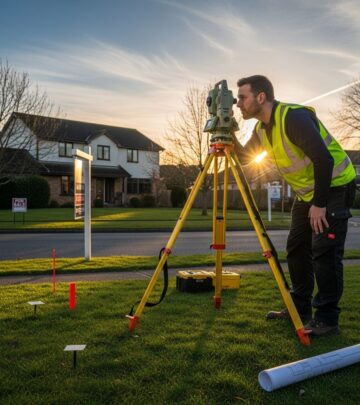
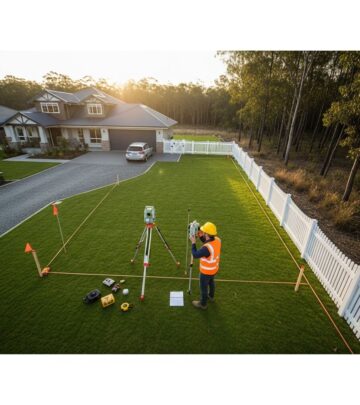
- Fieldwork Execution: Surveyors use tools like GPS, total stations, theodolites, and levels for precise measurements.
- Review and Certify: Receive a stamped map with findings, including dates, instruments used, and surveyor details.
Professional surveyors must conduct thorough record research for boundaries, conflicts, and encumbrances, ensuring maps include north arrows, closure data, and monument descriptions.
Finding and Selecting the Right Surveyor
Choose surveyors licensed in your state, as regulations vary. Contact real estate agents, title companies, or lenders for referrals. If a prior survey exists, reuse the original surveyor for efficiency—they retain records.
Discuss specifics upfront: project scope, timeline, and deliverables. Confirm they follow standards like redundant measurements for accuracy and full disclosure of visible utilities or structures.
Verify credentials via state boards. Inquire about equipment—modern tools like 3D scanners and GPS yield superior precision.
Costs and Factors Influencing Price
Survey expenses range from $300-$1,000 for simple lots to $5,000+ for large or complex sites. Urban properties or those with dense foliage cost more due to access challenges.
- Lot Size: Larger areas demand more time.
- Terrain: Hilly or wooded land increases difficulty.
- Location: Remote sites add travel fees.
- Type: Title or topographic surveys exceed basic boundary ones.
- Urgency: Rush jobs incur premiums.
Buyers often pay during purchases, but negotiate with sellers. Updates to old surveys may cost less than new ones.
Legal Standards and Best Practices
Surveyors adhere to state guidelines, such as identifying ownership boundaries, easements, and possession evidence. Maps must note surveyor details, field dates, revisions, and ties to landmarks.
In New York, surveys confirm zoning compliance, setbacks, and encroachments, vital for transactions. Nationally, they ensure mathematical closure and precision estimates.
Owners retain survey rights; keep copies safe for future use.
Common Issues Surveys Uncover and Resolutions
Surveys often reveal discrepancies requiring action:
- Encroachments: Fences or sheds crossing lines—negotiate removal or boundary adjustments.
- Easements: Utility or access rights—verify impacts on use.
- Boundary Disputes: Conflicting deeds—resolve via legal surveys or agreements.
- Zoning Violations: Non-compliant structures—seek variances.
Addressing these pre-closing avoids post-sale lawsuits. Title insurance may cover some if disclosed.
Surveys for Renovations and Development
Prior to additions like pools, decks, or fences, obtain monumentation or as-built surveys for permit approval. Municipalities demand proof of setbacks and no encroachments.
For new builds, topographic surveys guide site preparation, staking boundaries for contractors.
FAQs
Who pays for the property survey in a home purchase?
Typically the buyer, but it’s negotiable in contracts. Sellers may provide existing surveys.
How long does a property survey take?
1-2 weeks for standard lots; longer for complex sites.
Can I use an old survey?
Yes, if recent (within 5-10 years) and acceptable to your lender or title company.
Is a survey required for refinancing?
Often yes, especially if no recent one exists.
What if the survey shows problems?
Renegotiate price, request seller fixes, or walk away.
Preserving Your Survey for Future Use
Store digital and physical copies securely. Reference them for insurance claims, disputes, or expansions. Update periodically for accuracy.
References
- New York Survey Requirements for Real Estate Transactions — Ferrantello Group. 2023. https://fgrouppc.com/new-york-survey-requirements-for-real-estate-transactions/
- NYS Land Surveying: Practice Guidelines — NYS Office of the Professions. 2000-02. https://www.op.nysed.gov/professions/land-surveying/practice-issues/professional-feburary-2000
- A Guide to Land Surveying (2023) — Transect. 2023. https://www.transect.com/insights/land-surveying
- What Is A Property Survey, And How Do I Get One? — Bankrate. 2023. https://www.bankrate.com/real-estate/where-do-i-get-my-property-survey/
- Standards & Procedures for Surveying and Mapping — NYS Office of General Services. 2014-10. https://ogs.ny.gov/system/files/documents/2018/12/ogssurveystandardsoct2014.pdf
- Code of Practice NYSAPLS — New York State Association of Professional Land Surveyors. 2023. https://www.nysapls.org/page/23
Similar Articles








Read full bio of medha deb