NYC Marathon Costs: Complete Budget Guide
Understand all expenses for running the NYC Marathon from entry fees to travel costs.
Understanding NYC Marathon Costs: A Complete Financial Guide
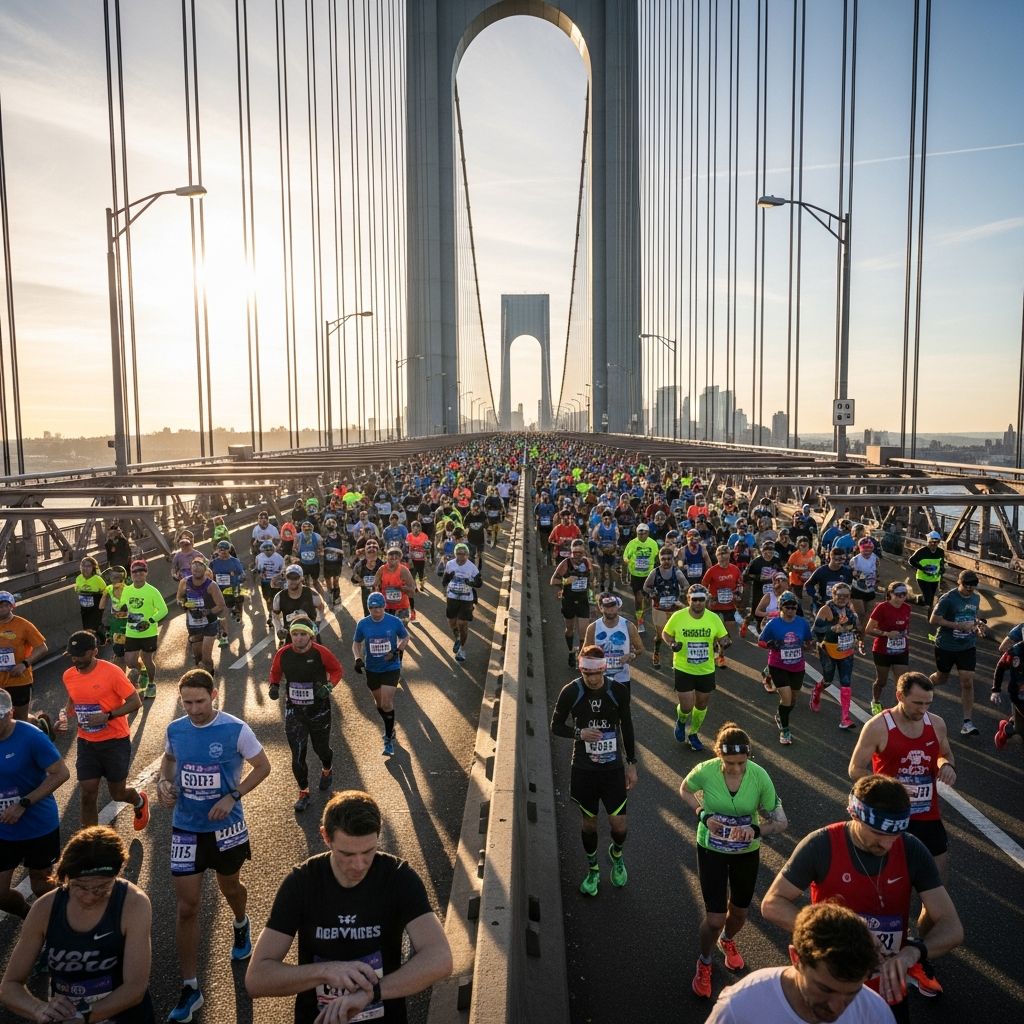
The TCS New York City Marathon is one of the most prestigious running events in the world, attracting thousands of participants each year. However, running this iconic marathon involves significantly more than just the entry fee. Understanding the complete financial commitment required will help you budget properly and make informed decisions about participating in this world-class event.
Race Registration Fees
The base cost of running the NYC Marathon starts with the registration fee paid directly to the New York Road Runners (NYRR). The 2025 registration fees vary depending on your membership status with NYRR and residency:
- NYRR Members: $255
- Non-NYRR Members: $315
- Non-U.S. Residents: $358
These fees cover the basic marathon entry and access to the official NYRR race infrastructure. If you participate through a charity team, you will still be responsible for paying these registration fees directly to NYRR in addition to any fundraising requirements.
Charity Team Fundraising Requirements
Many runners gain entry to the NYC Marathon through charity team programs, which offer an alternative path to participation beyond the lottery system. However, this comes with significant fundraising obligations that substantially increase the overall cost commitment.
Typical Fundraising Minimums
Different charitable organizations have varying fundraising requirements for their team members:
- The Pink Agenda: Minimum of $3,500 fundraising commitment
- PAWS NY: Minimum of $3,000 fundraising commitment
- Fred’s Team (Memorial Sloan Kettering): Multiple tiers ranging from $4,500 to $8,500
These fundraising minimums must be met by specific deadlines. For example, The Pink Agenda requires runners to reach their $3,500 goal by October 20, 2025. Additionally, many charity organizations charge registration or administrative fees. Fred’s Team requires a $125 kickoff fee at registration, which counts toward your fundraising total.
Training and Equipment Costs
Proper marathon training requires investments in quality gear and equipment that extend beyond race day. The expenses for training include:
Running Shoes and Apparel
Quality running shoes are essential for marathon training and typically cost between $100 to $200 per pair. Many runners purchase multiple pairs during their training cycle to have rotating shoes and backup pairs. Training apparel, including moisture-wicking shirts, shorts, and tights, can add $200 to $500 to your overall expenses. Don’t forget moisture-wicking socks, which may seem minor but are crucial for preventing blisters during long runs.
Training Accessories
Various accessories support your training regimen:
- Running watch or fitness tracker: $150–$400
- Hydration systems (belts, bottles, vests): $30–$100
- Foam rollers and recovery equipment: $50–$200
- Sports nutrition (gels, electrolyte drinks, supplements): $100–$200
Training Programs and Coaching
Structured training programs can range from free online resources to $300–$600 for personalized coaching. Many charity team programs include complimentary access to training resources, but independent runners should budget for coaching or structured programs to maximize their marathon preparation.
Travel and Accommodation Expenses
Unless you live in the New York City area, travel costs represent a substantial portion of your total marathon budget. These expenses include transportation and lodging for the marathon weekend.
Flight Costs
Airfare to New York City varies dramatically depending on your departure location and how far in advance you book. Domestic flights typically range from $150 to $400, while international flights can cost $400 to $1,500 or more. Booking flights early often results in better prices, as marathon weekend travel is popular.
Hotel Accommodation
Hotel rates in New York City during the marathon weekend (typically the first Sunday in November) can be significantly inflated due to high demand. Budget $150 to $300 per night for standard hotel accommodations. For a weekend stay (Friday through Monday), expect to pay $450 to $900 or more for lodging. Consider staying in less expensive neighborhoods outside Manhattan or using alternative accommodation options like Airbnb to potentially reduce costs.
Ground Transportation
Getting around New York City requires either public transportation or rideshare services. A week-long subway pass costs approximately $33, though you may only need a few days. Alternatively, individual subway rides cost $2.90 each. Rideshare services like Uber or Lyft can range from $8 to $25 per trip depending on distance and demand. Plan to spend $50–$100 on ground transportation for the weekend.
Meals and Race Day Supplies
Food expenses during marathon weekend can be higher than usual due to restaurant prices in New York City and the need for specific pre-race nutrition.
Race Week Nutrition
During the week leading up to the marathon, many runners focus on carbohydrate-loading and consuming specific foods to optimize performance. Restaurant meals in Manhattan typically cost $15–$30 per meal, so budget $100–$150 for meals the week before the race if you’re dining out.
Race Day Supplies
While NYRR provides water and basic energy gels at aid stations, many runners prefer bringing their own race-specific nutrition. Gel packs, energy bars, and electrolyte drinks cost $30–$50. Additionally, consider anti-chafe products, blister prevention supplies, and race-day toiletries, which may add another $20–$40.
Additional Expenses and Incidentals
Bib Pickup and Expo
The official NYC Marathon Expo, where runners pick up their race bibs and can purchase merchandise, is included with entry. However, you may want to budget for expo purchases like official race merchandise, additional gear, and samples, which can range from $50–$200 depending on your shopping habits.
Childcare and Time Off Work
While not a direct race expense, consider the financial impact of taking time off work for travel and recovery. Additionally, if you need childcare during your training period or race weekend, factor this into your budget.
Post-Race Recovery
After completing the marathon, many runners invest in recovery treatments such as massage therapy ($60–$150), physical therapy sessions, or spa treatments. Budget $100–$200 for post-race recovery if desired.
Cost Comparison by Runner Category
| Category | Registration Fee | Fundraising (if applicable) | Training/Gear | Travel/Hotel | Meals/Misc | Estimated Total |
|---|---|---|---|---|---|---|
| Local Resident (NYRR Member) | $255 | $0 | $1,000–$1,500 | $0–$200 | $200–$300 | $1,455–$2,255 |
| Local Resident (Non-Member) | $315 | $0 | $1,000–$1,500 | $0–$200 | $200–$300 | $1,515–$2,315 |
| Domestic Charity Runner | $315 | $3,000–$8,500 | $1,000–$1,500 | $800–$1,500 | $300–$500 | $5,415–$12,315 |
| Out-of-State Runner (Non-Charity) | $315 | $0 | $1,000–$1,500 | $800–$1,500 | $300–$500 | $2,415–$3,815 |
| International Runner (Charity) | $358 | $3,000–$8,500 | $1,200–$1,800 | $2,000–$3,500 | $400–$700 | $6,958–$14,858 |
Frequently Asked Questions
Q: Can I get a refund if I don’t finish the marathon?
A: No, the NYRR registration fee is non-refundable regardless of whether you complete the race. However, if you are injured or unable to participate before race day, some charitable organizations offer deferrals to the following year’s race, though this varies by organization.
Q: Do charity runners need to pay both the fundraising minimum and the registration fee?
A: Yes, charity runners must pay the NYRR registration fee directly in addition to meeting the charity’s fundraising minimum. Some fundraising minimums include a kickoff fee that counts toward the total, but the NYRR registration fee is separate.
Q: Are there ways to reduce the total cost of running the NYC Marathon?
A: Yes. You can save money by purchasing gear during sales, training locally to reduce travel costs, staying with friends or family instead of hotels, and using free training resources. Additionally, entering through the NYRR Nine+1 volunteer program offers guaranteed entry for free after volunteering at nine NYRR events.
Q: What is the NYRR Nine+1 program and how does it save money?
A: The NYRR Nine+1 program allows runners to gain guaranteed entry to the following year’s NYC Marathon by volunteering at nine NYRR events, eliminating the need to pay the registration fee. This is an excellent way to participate without the entry cost.
Q: How much should I budget if running for a charity?
A: Charity runners should budget at least $3,000–$8,500 for fundraising minimums, plus $315 for registration, $1,000–$1,500 for training gear, and $1,000–$2,000 for travel and accommodations if traveling from out of state. International runners should budget an additional $1,000–$2,000 for international flights.
Q: Is the NYC Marathon expense tax-deductible?
A: If you are running for an official charity partner, portions of your fundraising that represent donations to that registered nonprofit may be tax-deductible. However, your personal expenses and registration fees are not deductible. Consult a tax professional for specifics regarding your situation.
Budget Planning Tips
To manage the financial commitment of running the NYC Marathon, consider these strategies:
- Start Training Early: Gradual training reduces injury risk, preventing unexpected medical costs and allowing you to spread gear purchases over time.
- Use Sales and Discounts: Purchase running shoes and apparel during sales events rather than at full price.
- Book Accommodations Early: Reserve hotels and flights several months in advance to secure better rates.
- Consider Fundraising Support: Many charity organizations provide fundraising tools and resources to help you reach your minimum commitments.
- Join Running Groups: Group training often provides discounts on gear and may offer free coaching sessions.
- Research Scholarships: Some organizations offer partial or full funding for marathon participation based on need or merit.
Conclusion
The total cost of running the NYC Marathon extends far beyond the registration fee. For local residents entering through the lottery, the minimum investment is approximately $1,500–$2,300, including training gear, race registration, and miscellaneous expenses. Out-of-state runners should budget $2,400–$3,800, while charity runners can expect costs ranging from $5,400 to $14,900 depending on their location and fundraising requirements. By understanding these expenses and planning accordingly, you can participate in this prestigious event without financial stress and focus on achieving your marathon goals.
References
- New York Road Runners – Run in 2025 — New York Road Runners. 2025-11-01. https://www.nyrr.org/tcsnycmarathon/runners/entry/2025
- 2025 TCS New York City Marathon – Paws NY — Paws NY. 2025-11-01. https://pawsny.org/2025-tcs-nyc-marathon/
- 2025 TCS New York City Marathon – The Pink Agenda — The Pink Agenda. 2025-11-01. https://thepinkagenda.org/2025-tcs-new-york-city-marathon/
- TCS New York City Marathon – Fred’s Team — Fred’s Team / Memorial Sloan Kettering. 2025-11-01. https://www.fredsteam.org/events/tcs-new-york-city-marathon
- New York City Marathon, Registration — RunarWeb. 2025-11-01. https://runarweb.com/registration_e_m.php
- 2025 TCS New York City Marathon (Fundraising Only) — Lupus Research Institute. 2025-11-01. https://www.lupusresearch.org/sign-up-for-updates/tcs-new-york-city-marathon-guaranteed/
Similar Articles








Read full bio of medha deb