NSF Fees Explained
Understand nonsufficient funds fees, their costs, impacts, and proven strategies to sidestep these common banking penalties.

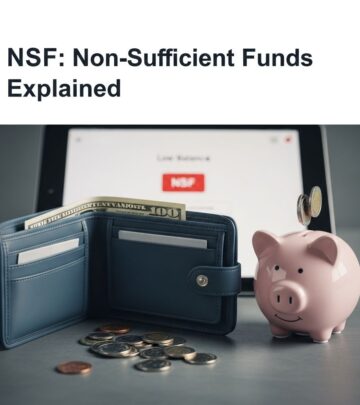
Nonsufficient funds (NSF) fees are penalties banks impose when a transaction attempt exceeds the available balance in a customer’s account, leading to the transaction’s rejection. These charges, averaging around $16.82 to $17, arise from checks, electronic payments, or debit card uses that cannot be processed due to inadequate funds.
Defining Nonsufficient Funds Charges
An NSF fee, sometimes called an insufficient funds fee, occurs when a bank declines a payment because the account lacks sufficient money to cover it. For instance, writing a $600 rent check with only $500 available triggers the bank to return the check unpaid and levy the fee. This differs from scenarios where banks might cover the shortfall via overdraft services.
Banks justify these fees as compensation for administrative costs tied to handling returned items, including processing bounced checks or failed electronic transfers. Unlike overdraft fees, NSF charges do not allow the transaction to proceed; the payment simply fails, leaving the payee uncompensated and potentially imposing additional merchant penalties on the account holder.
How NSF Fees Differ from Overdraft Fees
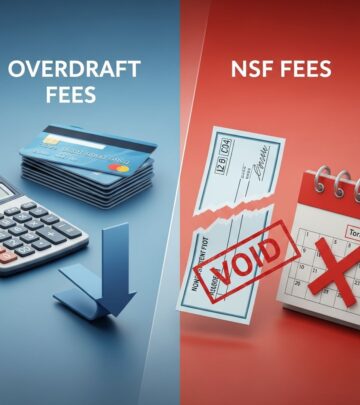
Distinguishing NSF from overdraft fees is crucial for account management. Overdraft fees apply when banks approve and cover transactions exceeding the balance, creating a temporary debt plus a fee averaging $26.77. In contrast, NSF fees hit when banks reject the transaction outright, with no coverage provided.
| Fee Type | Average Cost | Transaction Outcome | Key Consequence |
|---|---|---|---|
| Overdraft Fee | $26.77 | Clears | Bank lends funds; repay plus fee and interest. |
| NSF Fee | $16.82 | Declined | Payment bounces; fee charged, possible merchant late fees. |
Opting into overdraft protection might shift an NSF scenario to an overdraft charge, depending on bank policies. Some institutions, like Stanford FCU, reject transactions without NSF fees but may charge for uncollected funds if pending deposits are involved.
Typical Costs and Recent Regulatory Changes
NSF fees traditionally range from $10 to $48 per incident, varying by institution. However, significant reforms are underway. For federally regulated banks in Canada, including major institutions, a $10 cap on NSF fees takes effect March 12, 2026, alongside limits like one fee per two business days per account and no fees for shortfalls of $10 or less.
In the U.S., fees hover around $17 on average, though some reach $50, capped by state laws in certain cases. Provincial credit unions may still charge up to $50. Always review your bank’s fee schedule or contact support for specifics, as policies evolve.
- Per-transaction cost: $10–$48 typically.
- Frequency limits: Emerging rules restrict multiple fees in short periods.
- Exemptions: No charge for minor shortfalls under new guidelines.
Uncollected Funds: A Related Pitfall
Beyond standard NSF, uncollected funds fees emerge when pending deposits—like uncleared checks—exist, but spending exceeds the available (guaranteed) balance. Even with funds on deposit, banks decline transactions to avoid risk, potentially charging separately from NSF.
This distinction matters: NSF stems from outright insufficient cleared balances, while uncollected funds involve timing issues with deposits. Monitoring available versus ledger balances prevents both.
Credit Score and Legal Ramifications
NSF fees indirectly harm credit scores. Bounced payments can lead to late bill payments reported to bureaus, unpaid debts sent to collections, or patterns signaling risk to lenders, reducing approval odds for loans or cards.
Intentionally issuing checks without funds risks criminal fraud charges. Repeated bounces may escalate to legal action from payees, compounding financial damage beyond fees.
Practical Strategies to Avoid NSF Fees
Proactive steps minimize NSF risks effectively.
- Enable alerts: Sign up for low-balance notifications via app, email, or text to preempt shortfalls.
- Link accounts: Use overdraft protection tying checking to savings, though fees may apply alternatively.
- Track balances diligently: Regularly reconcile statements, accounting for pending transactions and holds.
- Opt for fee-free options: Choose banks waiving NSF charges or offering no-fee overdraft transfers.
- Buffer your account: Maintain a cushion of 1–2 months’ expenses to cover surprises.
Review bank agreements annually; some provide grace periods or waive fees for first offenses upon request.
Navigating Modern Banking to Dodge Penalties
Digital tools enhance avoidance. Apps from banks like Quorum FCU offer real-time balance views, transaction alerts, and spending trackers. Budgeting apps integrate with accounts for holistic oversight.
Shift to fee-friendly accounts: online banks often eliminate NSF fees entirely, prioritizing customer retention over penalties. Compare via official sites or consumer reports.
FAQs on NSF Fees
What triggers an NSF fee?
Any declined transaction due to insufficient available funds, such as checks, ACH payments, or debit swipes.
Can NSF fees affect my credit?
Indirectly yes, via missed payments or collections from unpaid obligations.
What’s changing with NSF fees in 2026?
Federally regulated institutions cap at $10, limit frequency, and exempt tiny shortfalls starting March 12, 2026.
NSF vs. overdraft: which is worse?
Overdraft often costs more and adds debt; NSF declines payment but avoids borrowing.
How do I waive an NSF fee?
Contact your bank promptly; goodwill waivers occur for one-offs, especially good-standing customers.
Long-Term Financial Habits for Stability
Beyond immediate avoidance, cultivate habits like automated savings transfers post-paycheck and expense categorization to build resilience against NSF triggers. Emergency funds covering 3–6 months’ expenses act as ultimate buffers.
Financial education platforms from .gov sites or FDIC resources offer free tools for balance management. Enroll in workshops or use calculators to simulate scenarios.
In summary, NSF fees represent avoidable drags on finances. By understanding mechanics, leveraging protections, and adopting vigilant monitoring, account holders reclaim control, fostering healthier banking relationships.
References
- Nonsufficient Funds Fee (NSF) Meaning & Definition — Credit One Bank. 2023. https://www.creditonebank.com/articles/glossary/nonsufficient-funds-fee
- What Is a Non-Sufficient Funds Fee? How to Avoid NSF Charges — NerdWallet Canada. 2025-10-15. https://www.nerdwallet.com/ca/p/article/banking/what-is-nsf-fee
- Non-Sufficient Funds (NSF) Fee Definition — Gate City Bank. 2024. https://www.gatecity.bank/education/glossary/non-sufficient-funds-nsf-fee/
- What is the difference between an insufficient funds fee and an uncollected funds fee? — Stanford Federal Credit Union. 2024. https://www.sfcu.org/faqs/what-is-the-difference-between-an-insufficient-funds-fee-and-an-uncollected-funds-fee/
- Overdraft Fees Vs. NSF Fees: How They Differ — Bankrate. 2025-02-20. https://www.bankrate.com/banking/checking/overdraft-fees-vs-nsf-fees/
Similar Articles








Read full bio of medha deb