Now or Later: How to Decide the Right Time to Buy Almost Anything
Master the art of timing your purchases to save money and avoid regret on almost any item you need.

One of the biggest challenges in personal finance is knowing when to pull the trigger on a purchase. Buy too soon, and you might overpay or regret the decision when prices drop. Wait too long, and you could miss out on a deal or face higher costs later. This guide breaks down the key factors to consider for almost any purchase, from everyday items to big-ticket assets. By understanding sales cycles, market trends, and your own needs, you can make informed decisions that maximize value and minimize waste.
Assess Your Need: Do You Really Need It Now?
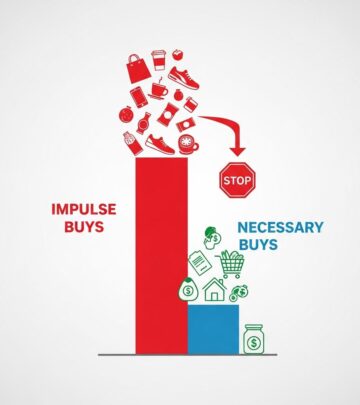
Before diving into timing, ask the fundamental question: Do you actually need this item right now? Impulse buys often stem from marketing hype or fleeting desires, leading to financial strain. Start by evaluating necessity on a scale from essential to nice-to-have.
- Essentials: Items like food, medicine, or repair parts for broken appliances demand immediate action. Delaying could lead to higher costs, such as emergency repairs.
- Necessities: Clothing for a new job or a reliable car for commuting. Assess if current alternatives suffice in the short term.
- Desires: Gadgets, fashion trends, or luxury goods. These can often wait for optimal pricing.
Create a waitlist for non-essentials. Track the item for 30 days, noting if the urge persists. This simple habit prevents 70% of regretful purchases, as habits show needs often fade.
Research Price History and Trends
Prices fluctuate based on supply, demand, and seasons. Use free tools like price trackers (CamelCamelCamel for Amazon, Google Shopping charts) to view historical data. Look for patterns: Does the price dip predictably?
| Category | Average Annual Drop | Best Buying Windows |
|---|---|---|
| Electronics | 20-30% | Black Friday, post-CES |
| Clothing | 50% off-season | End-of-season clearances |
| Appliances | 15-25% | September, holiday weekends |
Inflation and economic shifts impact timing. In high-inflation periods, essentials like groceries may rise steadily, favoring immediate buys, while durable goods hold steady or drop.
Understand Seasonal Sales Cycles
Retailers structure sales around holidays and seasons to clear inventory. Timing purchases to these cycles can save hundreds.
- Back-to-School (July-August): Laptops, dorm supplies drop 20-40%.
- Black Friday/Cyber Monday (November): Electronics, toys at peak discounts.
- Post-Holiday (January): Winter clothing, fitness gear slashed to make room for spring.
- Memorial Day/Labor Day: Mattresses, grills, outdoor items up to 50% off.
Avoid peak seasons for high-demand items like holiday decorations (buy post-holiday) or swimsuits (end of summer). For perishables like holiday turkeys, stock up during sales but freeze extras.
Electronics: Wait for the Next Model
Tech depreciates rapidly. Smartphones lose 30% value within months of release. Strategies include:
- Buy last-gen models after new launches (e.g., iPhone after September event).
- Monitor for bundle deals or carrier promotions.
- Avoid hype cycles; prices stabilize 3-6 months post-release.
Laptops and TVs follow similar patterns, with CES (January) announcements triggering drops in prior models. Refurbished units from certified sellers offer 20-40% savings with warranties.
Cars: New, Used, or Lease?
Vehicle purchases hinge on market inventory and incentives. New cars see best deals end-of-month, quarter, or year when salespeople hit quotas.
- Best Times: Late December (model closeouts), October (pre-new models).
- Used Cars: Buy in winter; fewer buyers mean better negotiation.
- Leasing: Favorable during high inventory; check residuals.
Factor total ownership costs: fuel, insurance, maintenance. Electric vehicles benefit from tax credits, peaking at year-end. Always get pre-purchase inspections.
Homes and Real Estate: Market Cycles Matter
Real estate is local but follows broader trends. Inventory rises in spring/summer; prices peak mid-year.
- Buyer’s Market: High inventory, falling rates—act quickly.
- Seller’s Market: Low supply; wait if possible or target motivated sellers.
- Monitor Fed rates; cuts boost affordability.
Off-season (winter) offers less competition and negotiable prices, especially in colder climates. Budget 2-5% above list for hot markets.
Clothing and Fashion: Off-Season Wins
Fashion is cyclical. Buy winter coats in March, summer dresses in September.
- Thrift/resale apps for trends at 70% off.
- Quality basics (wool sweaters, jeans) last years; splurge off-season.
- Sales tax holidays in some states amplify savings.
Sustainable tip: Rent formalwear or use clothing swaps to test before buying.
Groceries and Consumables: Stock Up Smartly
Non-perishables like toilet paper or canned goods shine during buy-one-get-one deals. Rotate stock to avoid waste.
- Track unit prices; smaller packs sometimes cheaper per ounce.
- Apps like Ibotta rebate post-purchase.
- Bulk for families, but calculate usage to prevent spoilage.
Furniture and Home Goods: Model Year-End Deals
Furniture cycles with holidays. Buy sofas post-Labor Day, bedding during white sales (January).
Measure spaces first; virtual tools help visualize. Secondhand markets (Facebook Marketplace) offer 50-80% savings.
Travel: Book Smart, Not Soon
Flights cheapest 1-3 months out domestically, 2-8 months international. Tuesdays/Wednesdays for lowest fares.
- Off-peak (avoid holidays, summer).
- Flexible dates via Google Flights matrix.
- Hotels: Last-minute for 30% off, or early for events.
Frequently Asked Questions (FAQs)
Q: Should I buy a TV before or after Super Bowl?
A: After—prices drop post-event as retailers clear inventory for new models.
Q: Is it better to buy a car in December?
A: Yes, dealers push to meet year-end quotas, offering bigger incentives.
Q: How long should I wait on big purchases?
A: 30 days minimum for reflection; longer for depreciating tech.
Q: What if prices are rising due to inflation?
A: Prioritize essentials; hedge with fixed-price contracts if possible.
Q: Are Black Friday deals always the best?
A: No—compare historical lows; some match President’s Day or Amazon Prime Day.
Tools and Apps for Smart Buying
Leverage technology:
- Price trackers: Honey, Capital One Shopping.
- Alerts: Slickdeals, BrickSeek for stock.
- Budget apps: YNAB for need validation.
Combine with cash-back sites like Rakuten for layered savings.
Psychological Traps to Avoid
Marketers exploit FOMO (fear of missing out) and scarcity. Counter with rules:
- 24-hour rule for under $100 buys.
- Budget allocation: 50% needs, 30% wants, 20% savings.
- Price anchoring: Ignore ‘original’ prices; focus on value.
Long-term: Build an emergency fund covering 3-6 months expenses to reduce purchase pressure.
Conclusion: Timing is a Skill
Mastering buy-now-or-later decisions compounds savings over time. Track your wins, adjust strategies, and watch your wealth grow. Patience pays dividends.
References
- Consumer Price Index Summary — U.S. Bureau of Labor Statistics. 2025-12-11. https://www.bls.gov/news.release/cpi.nr0.htm
- Retail Sales Trends — U.S. Census Bureau. 2025-11-15. https://www.census.gov/retail/index.html
- How Customers Decide Whether to Buy Now — Harvard Business Review. 2018-01-23. https://hbr.org/2018/01/research-how-customers-decide-whether-to-buy-from-your-website
- Vehicle Pricing Data — Kelley Blue Book (Cox Automotive). 2025-10-01. https://www.kbb.com/car-advice/best-time-to-buy-a-car/
- Electronics Depreciation Report — Consumer Technology Association. 2024-01-10. https://www.cta.tech/resources/technology-market-reports
Similar Articles








Read full bio of Sneha Tete