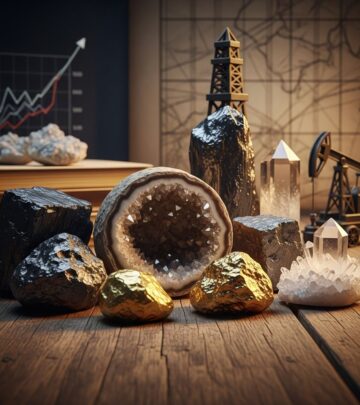
Non-Renewable Resource: Definition, Types, Examples
Explore non-renewable resources: finite energy sources, their depletion, and environmental impact.
What is a Non-Renewable Resource?
A non-renewable resource is a natural resource that cannot be readily replaced by natural means at a pace quick enough to keep up with consumption. Also referred to as a finite resource, non-renewable materials are found beneath the earth’s surface and take millions of years to form through geological processes. Once extracted and consumed, these resources cannot be replenished within a human lifetime, making them inherently limited in supply. The depletion of non-renewable resources represents one of the most pressing concerns in energy economics and environmental sustainability.
The fundamental distinction between non-renewable and renewable resources hinges on replenishment rates. While renewable resources such as timber (when sustainably harvested) and wind energy can be replenished within human timescales, non-renewable resources require geological epochs to form, effectively making them finite for practical purposes. Understanding this critical difference is essential for policymakers, businesses, and consumers making decisions about energy consumption and environmental stewardship.
Definition and Classification
Non-renewable resources are characterized by their inability to regenerate at rates matching human consumption patterns. They are classified as natural materials that, when consumed, do not replenish at the same speed at which they are used up. The U.S. Energy Information Administration describes these resources as those that do not replenish within a short timeframe to maintain pace with their consumption. These materials were formed from organic matter—primarily plant and animal remains—that existed millions of years ago and have undergone continuous heating and compression beneath the earth’s surface.
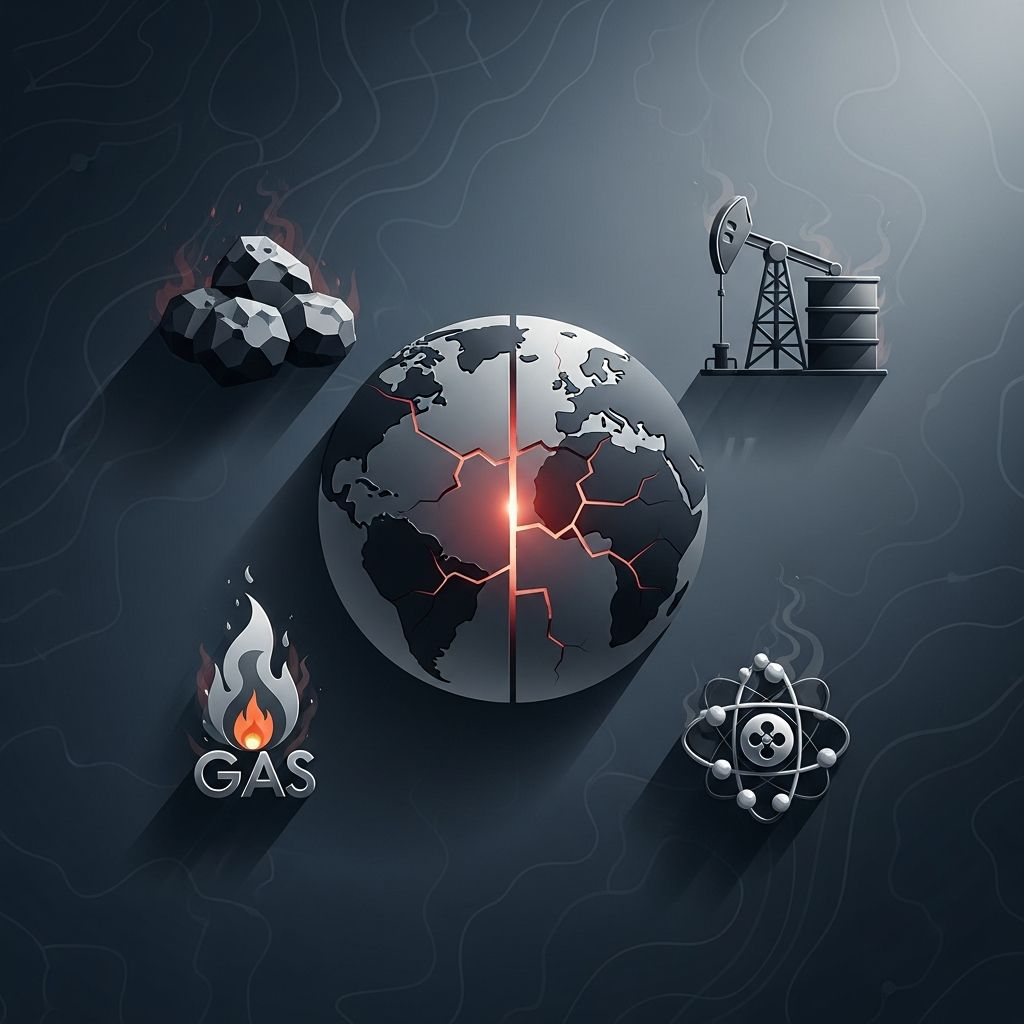
The two broad categories of non-renewable resources are fossil fuels and nuclear energy. Within these categories exist numerous subcategories and specific resource types, each with unique characteristics, extraction methods, and applications in modern society.
Types of Non-Renewable Resources
Fossil Fuels
Fossil fuels represent the primary source of non-renewable energy consumed globally. These resources are formed from the decomposition, heating, and compression of organic matter buried beneath the earth’s surface over millions of years. The three primary types of fossil fuels are:
Crude Oil (Petroleum): Crude oil is the only non-renewable resource extracted in liquid form. It is located between layers of the earth’s crust or between rock formations and is retrieved through drilling vertical wells into the ground and ocean floor. Petroleum serves as the foundation for gasoline, diesel, jet fuel, and numerous petrochemical products essential to modern transportation and industry.
Coal: Coal exists in solid form and represents one of the most abundant fossil fuels. It comes in various grades based on carbon content and energy value. Anthracite coal contains 86% to 97% carbon and possesses the highest heating value, making it harder to find and primarily used in the metal industry. Coal is extracted through mining operations and remains a significant source of electricity generation worldwide, though its use has become increasingly controversial due to environmental concerns.
Natural Gas: Natural gas is extracted in gaseous form and often accompanies crude oil deposits. It is used for heating, electricity generation, and industrial processes. Natural gas is considered cleaner than coal relative to carbon emissions, though it still contributes to greenhouse gas emissions.
Nuclear Fuels
Nuclear fuels, particularly uranium and plutonium, represent the second major category of non-renewable resources. These materials are obtained through the mining and refining of uranium ore, a naturally occurring radioactive element found beneath the earth’s surface. Nuclear energy is used in nuclear power stations to generate electricity through nuclear fission reactions. The debate surrounding nuclear energy’s renewable classification remains nuanced—the World Commission on Environment and Development classified breeder reactors (which produce more fissile fuel than they consume) as renewable energy sources, while conventional nuclear fission is not typically classified as renewable. However, the issue of radioactive waste management, which requires careful storage for several hundred years, presents significant long-term environmental challenges.
Metals and Minerals
Earth’s crust contains numerous non-renewable metals and minerals essential to modern manufacturing and technology. These include copper, iron, lithium, aluminum, gold, and zinc. Once extracted and depleted, these resources cannot be renewed within human timescales. However, unlike fossil fuels which are consumed through combustion, metals and minerals can often be recycled and reused, potentially extending their practical lifetime almost indefinitely.
Other Non-Renewable Resources
Beyond the primary categories, other non-renewable resources include clean water supplies in certain contexts and genetic pools. Clean water can become non-renewable when contaminated by events such as nuclear disasters, rendering it unusable for generations. Similarly, species extinction represents permanent loss of genetic material with potential medicinal and scientific value.
Characteristics of Non-Renewable Resources
Non-renewable resources share several defining characteristics that distinguish them from renewable alternatives. First, they exist in limited supply determined by geological formation processes occurring over millions of years. Second, their extraction rates far exceed their natural replenishment rates, creating inevitable depletion timelines. Third, their consumption is typically permanent—fossil fuels are burned and converted to carbon dioxide and other emissions, making recovery impossible. Finally, non-renewable resources are often concentrated in specific geographic locations, creating geopolitical implications for resource-dependent nations.
Global Energy Consumption Patterns
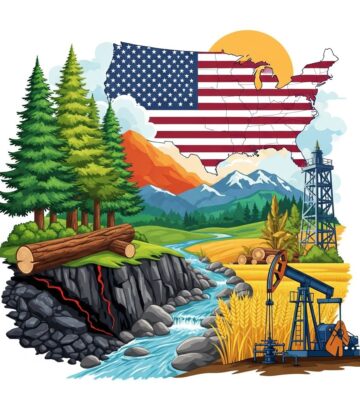
Non-renewable resources currently dominate global energy production and consumption. According to recent data, Americans consumed approximately 60 percent fossil fuels (predominantly oil), 18 percent nuclear energy, and only 21 percent renewable resources in 2022. This distribution reflects the continued dependence on non-renewable energy sources despite growing renewable capacity. Globally, fossil fuels remain the primary energy source for transportation, electricity generation, heating, and industrial processes, though their dominance is gradually declining as renewable technologies become more cost-effective and technologically advanced.
Environmental and Economic Implications
Environmental Concerns
The combustion of fossil fuels releases carbon dioxide and other greenhouse gases, contributing significantly to climate change and global warming. Additionally, extraction processes for coal, oil, and natural gas often cause environmental degradation, including habitat destruction, water contamination, and air pollution. Nuclear energy, while producing minimal greenhouse gases during operation, creates radioactive waste requiring secure storage for centuries. The accumulation of this waste presents unresolved challenges for future generations.
Economic Considerations
Non-renewable resources provide affordable and reliable energy sources supporting modern economies. However, as reserves become depleted, extraction becomes increasingly costly and technologically challenging. Peak oil theory suggests that fossil fuel extraction will eventually reach maximum capacity, after which availability declines regardless of demand. Rising extraction costs make renewable energy alternatives increasingly economically competitive, accelerating the transition toward sustainable energy sources.
The Shift Toward Renewable Energy
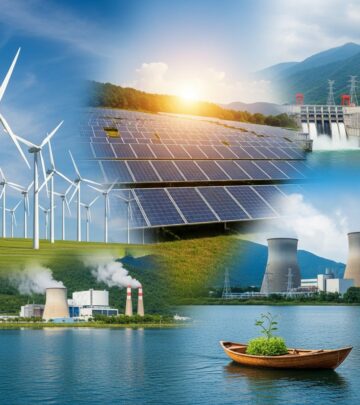
As non-renewable resources decline and environmental concerns intensify, global investment in renewable energy has accelerated dramatically. Renewable resources such as solar, wind, hydropower, geothermal, and biomass energy are practically infinite and cannot be depleted, unlike their non-renewable counterparts. These technologies harness natural phenomena that continuously replenish within human timescales. Major financial institutions and conventional investors now view renewable energy as mainstream rather than niche, with substantial capital flowing into solar panels, wind turbines, and related infrastructure. Governments worldwide increasingly support renewable energy through subsidies, regulations, and research funding, facilitating the transition away from fossil fuel dependence.
Potentially Renewable Resources
Some resources occupy a gray area between non-renewable and renewable classification. Fish stocks, for example, are generally renewable when managed sustainably through regulated harvesting. However, overfishing can deplete populations to extinction, converting a potentially renewable resource into a permanently depleted one. Similarly, groundwater in certain aquifers may replenish naturally but can be depleted faster than replenishment occurs through excessive extraction. These resources demonstrate that classification depends not only on inherent characteristics but also on consumption rates and management practices.
Resource Extraction and Processing
Humans extract non-renewable resources in the form of gas, liquid, or solids, then convert them into convenient forms for consumption. Coal mining operations remove solid deposits from the earth. Oil drilling creates boreholes accessing liquid reservoirs. Natural gas extraction taps gaseous deposits. Metal ores undergo mining and refining processes to produce usable metals. Nuclear fuel requires uranium ore mining and enrichment processes. Each extraction method carries distinct environmental impacts and technological requirements, influencing overall resource sustainability and cost-effectiveness.
Recycling and Resource Efficiency
While fossil fuels cannot be recycled, metals and other non-fuel substances can be recovered and reused multiple times. Recycling aluminum, copper, and other metals requires significantly less energy than primary extraction from ore, making it economically and environmentally advantageous. Advanced recycling technologies increasingly recover valuable materials from electronic waste, construction debris, and consumer products. This circular economy approach extends resource lifetime and reduces environmental impact, though it cannot completely eliminate non-renewable resource consumption.
Future Resource Availability
Fossil fuel reserves, while substantial, are finite and will eventually deplete if consumption continues at current rates. Current projections suggest that fossil-based resources will eventually become too costly to harvest economically, necessitating a fundamental shift toward renewable energy systems. The timeline for this transition remains uncertain, depending on technological advances, policy decisions, and investment levels. Nuclear energy may provide interim solutions, though radioactive waste management remains unresolved. Ultimately, humanity must transition toward renewable energy systems based on solar, wind, and other infinite natural processes to ensure long-term energy security and environmental sustainability.
Frequently Asked Questions
Q: What is the primary difference between renewable and non-renewable resources?
A: The fundamental difference is replenishment rate. Renewable resources replenish naturally within human timescales, while non-renewable resources take millions of years to form, making them effectively finite for practical purposes. Once non-renewable resources are consumed, they cannot be replaced within meaningful timeframes.
Q: Why are fossil fuels considered non-renewable?
A: Fossil fuels take millions of years to form from decomposed organic matter under heat and pressure. Since current consumption rates far exceed natural formation rates by orders of magnitude, fossil fuels are classified as non-renewable. At current extraction rates, known reserves of oil and natural gas could be depleted within decades to centuries.
Q: Can non-renewable resources be recycled?
A: Fossil fuels cannot be recycled once combusted, as they are converted to carbon dioxide and other emissions. However, metals and minerals extracted from non-renewable deposits can be recycled multiple times with minimal quality degradation. Recycling these materials conserves resources and requires significantly less energy than primary extraction.
Q: How much longer will fossil fuel reserves last?
A: Estimates vary based on consumption rates and discovery of new reserves. Current projections suggest oil reserves may last several decades at current consumption levels, while natural gas and coal reserves are more abundant. However, as extraction becomes increasingly difficult and costly, economic viability may become the limiting factor before physical depletion.
Q: Is nuclear energy renewable or non-renewable?
A: Conventional nuclear energy using uranium is classified as non-renewable because uranium ore is finite. However, breeder reactors that produce more fissile material than they consume have been theoretically classified as renewable. The main challenge remains managing radioactive waste, which remains hazardous for hundreds of years.
Q: What are the main environmental concerns with non-renewable resources?
A: Primary concerns include greenhouse gas emissions from fossil fuel combustion contributing to climate change, habitat destruction and water contamination from extraction operations, air pollution from refining and burning, and radioactive waste accumulation from nuclear energy. These impacts affect ecosystems, human health, and climate stability.
References
- Non-Renewable Resources — Economics Help. 2024. https://www.economicshelp.org/blog/glossary/non-renewable-resources/
- Non-renewable resource — Wikipedia. 2024. https://en.wikipedia.org/wiki/Non-renewable_resource
- Non-Renewable Resource – Overview, Types, Examples — Corporate Finance Institute. 2024. https://corporatefinanceinstitute.com/resources/esg/non-renewable-resource/
- Renewable and nonrenewable resources — EBSCO Research Starters. 2024. https://www.ebsco.com/research-starters/environmental-sciences/renewable-and-nonrenewable-resources
Similar Articles








Read full bio of medha deb