Non-Profit Organization: Definition, Purpose & Operations
Understanding non-profit organizations: structure, funding, and social impact.

Understanding Non-Profit Organizations
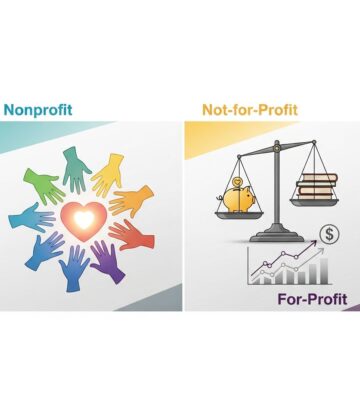
A non-profit organization (NPO) is a legal entity organized and operated for collective, public, or mutual benefit rather than for generating profit for owners or shareholders. Non-profit organizations typically harness the power of public and private donations to fund their philanthropic missions and further specific social causes while providing tangible public benefits. Unlike for-profit enterprises, which distribute earnings to investors and owners, non-profits reinvest all generated funds back into their operations to advance their core mission and expand their impact.
Non-profit organizations have become fundamental pillars of modern society, bringing together dedicated employees and passionate volunteers to address critical social issues, support vulnerable populations, and protect natural resources. These organizations operate across diverse sectors including healthcare, education, environmental conservation, poverty alleviation, disaster relief, and advocacy for social justice. The defining characteristic that distinguishes non-profits from their for-profit counterparts is their unwavering commitment to serving a higher purpose beyond financial gain.
Definition and Core Characteristics
Non-profit organizations are formed with a primary objective to serve the public interest through various programs and services. They hold tax-exempt status in most jurisdictions, which means they are not required to pay federal income taxes. This tax advantage represents a significant benefit that allows organizations to maximize their resources for mission-related activities rather than tax obligations.
The fundamental characteristics of non-profit organizations include:
- A clear mission focused on social benefit, public welfare, or charitable cause
- Tax-exempt status under section 501(c)(3) in the United States and equivalent provisions in other countries
- Prohibition on distributing profits to members, directors, or officers
- Requirement for transparent financial reporting and accountability to the public
- Governance by a board of directors responsible for organizational oversight
- Dependence on donations, grants, and revenue-generating activities for funding
How Non-Profit Organizations Operate
The operational structure of non-profit organizations differs significantly from traditional business enterprises. Rather than maximizing shareholder value, non-profits focus on maximizing their social impact and mission effectiveness. All revenue generated through fundraising, donations, or service provision must be retained within the organization and directed toward advancing the stated mission.
Non-profit organizations typically employ both paid staff and volunteers who work collaboratively toward organizational objectives. This combination of professional expertise and volunteer enthusiasm creates a dynamic workforce committed to the cause. The governance structure includes a board of directors composed of community leaders, professionals, and stakeholders who provide strategic oversight and ensure the organization operates in accordance with its mission and legal obligations.
Financial management in non-profits requires meticulous tracking and reporting to demonstrate accountability to donors, regulatory bodies, and the communities they serve. Organizations must maintain detailed records of income sources, expenditures, and program activities. This financial transparency builds public trust and ensures compliance with tax laws and charitable regulations.
Funding Sources for Non-Profit Organizations
Non-profit organizations employ multiple revenue streams to sustain their operations and expand their programs. Understanding these funding mechanisms is crucial for both organizational leaders and potential supporters.
Donations and Contributions
The most traditional and vital funding source for non-profits comes from public and private donations. Individual donors contribute through various channels including direct mail campaigns, online fundraising platforms, telephone solicitation, and in-person requests. Foundations and corporate donors also provide substantial contributions, often earmarked for specific programs or initiatives. These donations demonstrate public confidence in the organization’s mission and effectiveness.
Grants
Government agencies, private foundations, and corporations award grants to non-profits that align with their funding priorities. Grant funding typically requires detailed applications, project proposals, and outcome reporting. Foundation grants represent a significant revenue source for many organizations, though the competitive grant environment requires dedicated grant writing expertise and strategic planning.
Membership Fees
Many non-profits generate revenue through membership programs that provide members with benefits, access, or recognition in exchange for regular payments. Professional associations, advocacy organizations, and community-based nonprofits frequently utilize this funding model to create a reliable revenue stream while building a committed constituency.
Product Sales and Services
Non-profits often operate retail stores, cafes, or other social enterprises that generate revenue while advancing their mission. Some organizations provide fee-based services such as training programs, consulting, or therapeutic services. These earned income strategies reduce dependence on charitable contributions and create sustainable funding models.
Special Events and Fundraising
Benefit galas, charity runs, auctions, and other special events generate both direct revenue and increased donor engagement. These gatherings build community awareness, strengthen donor relationships, and create opportunities for major gift solicitation. Event-based fundraising also provides platforms for storytelling and mission communication.
Tax-Exempt Status and 501(c)(3) Organizations
In the United States, non-profit organizations seeking tax-exempt status typically pursue classification under section 501(c)(3) of the Internal Revenue Code. This designation means the organization is exempt from federal income taxes and qualifies as a charitable organization. Organizations described in section 501(c)(3) can receive tax-deductible donations from the public within the guidelines of U.S. law, providing an incentive for charitable giving.
To obtain and maintain 501(c)(3) status, organizations must demonstrate that they operate exclusively for charitable, educational, religious, scientific, or social purposes. They must file annual information returns with the Internal Revenue Service, maintain transparent financial records, and refrain from engaging in substantial lobbying or political activities. The tax-exempt status comes with strict requirements regarding how funds are used and how the organization conducts its business.
Beyond federal tax exemptions, many non-profits also qualify for state income tax exemptions and property tax exemptions. These additional tax benefits further enhance an organization’s financial capacity by reducing overhead expenses and freeing resources for program delivery.
Key Differences Between Non-Profits and For-Profits
| Aspect | Non-Profit Organization | For-Profit Organization | |
|---|---|---|---|
| Primary Objective | Social mission and public benefit | Profit generation for owners | |
| Profit Distribution | All surplus reinvested in mission | Profits distributed to shareholders | |
| Tax Status | Tax-exempt (501(c)(3)) | Subject to corporate income tax | |
| Funding Sources | Donations, grants, earned income | Sales revenue, investments | |
| Accountability | Public accountability and transparency | Accountability to shareholders | |
| Governance | Board of directors oversees mission | Board of directors maximizes profit | |
| Dividend Payments | No dividends allowed | Dividends distributed to owners |
The Purpose and Impact of Non-Profits
Non-profit organizations serve multiple critical functions within society. They address market failures where for-profit enterprises find no financial incentive to operate. They provide essential services to vulnerable and marginalized populations, including homeless individuals, people living in poverty, survivors of trauma, and those facing health crises.
Non-profits also serve as advocacy platforms for social change, raising awareness about critical issues and mobilizing public support for policy reforms. They conduct research, provide education, and drive innovation in addressing persistent social problems. Many non-profits work at the intersection of multiple issues, recognizing that poverty, health disparities, educational inequality, and environmental degradation are interconnected challenges requiring comprehensive solutions.
The impact of non-profit organizations extends beyond direct service provision. These organizations strengthen communities, build social cohesion, and foster civic engagement. They employ millions of people and engage countless volunteers, creating meaningful work opportunities and channels for civic participation.
Financial Transparency and Accountability
Ethical non-profit operations require rigorous financial management and transparent reporting. Organizations must publish annual reports disclosing financial statements, tax returns, and detailed breakdowns of how funds are allocated. This transparency builds public trust and demonstrates responsible stewardship of donor contributions.
Industry standards suggest that non-profit organizations should allocate approximately 65 percent of their budget to programs and 35 percent to overhead and administrative costs. However, many high-performing organizations exceed these benchmarks, dedicating 75 percent or more of revenues to program delivery. Donors should research an organization’s cost allocation before making contributions to ensure funds are used efficiently.
Independent accountability organizations like Charity Navigator and GuideStar provide ratings and transparency assessments of non-profits, helping donors make informed giving decisions. Organizations achieving top ratings demonstrate financial integrity, programmatic effectiveness, and transparent operations.
Challenges Facing Non-Profit Organizations
Despite their critical role, non-profit organizations face significant challenges in today’s complex environment. Competition for limited grant funding and donor dollars remains intense, requiring organizations to invest substantial resources in fundraising and development activities. Recruiting and retaining qualified staff becomes difficult when compensation lags behind for-profit sector salaries.
Many non-profits struggle with sustainability, relying heavily on foundation grants or major donors rather than diversified funding streams. Economic downturns, reduced government spending on social programs, and donor fatigue can threaten organizational stability. Additionally, some non-profits face reputational risks when organizational leadership fails to maintain ethical standards or mismanages donor funds.
How to Support Non-Profit Organizations
Individuals can support non-profit organizations through monetary donations, volunteer service, professional expertise, or in-kind contributions. Before donating, prospective supporters should research an organization’s mission, financial health, leadership, and track record of accomplishment. Reviewing annual reports, financial statements, and independent ratings provides valuable insight into organizational quality.
Donors should consider aligning their giving with personal values and causes they care about most. Some individuals prefer supporting large established organizations with proven track records, while others champion emerging organizations addressing pressing contemporary issues. Strategic giving, where donors commit to multi-year support for specific organizational initiatives, can create more meaningful impact than episodic donations.
Frequently Asked Questions
What exactly is a non-profit organization?
A non-profit organization is a legal entity organized to serve public or mutual benefit rather than generate profit for owners. These organizations use donations and grants to fund their social missions and reinvest all surplus revenue back into their operations.
How do non-profits generate revenue if they cannot make profit?
Non-profits generate revenue through donations, grants, membership fees, earned income from services or product sales, and special fundraising events. All revenue is reinvested into the organization’s mission rather than distributed to owners.
What is 501(c)(3) status and why is it important?
501(c)(3) is a federal tax classification for charitable organizations in the United States. This status exempts organizations from federal income taxes and allows donors to claim tax deductions for their contributions, making it a vital classification for fundraising success.
What percentage of a non-profit’s budget should go to programs?
Industry standards recommend that non-profits allocate approximately 65 percent of their budget to programs and 35 percent to overhead. High-performing organizations often exceed this benchmark, dedicating 75 percent or more of revenues directly to program delivery.
How can I verify that a non-profit is legitimate and uses funds responsibly?
Research organizations using resources like Charity Navigator and GuideStar, which provide ratings and transparency assessments. Review the organization’s annual report, financial statements, and 990 tax forms filed with the IRS to verify responsible fund management and alignment with stated mission.
What is the difference between a non-profit and a charitable organization?
All charitable organizations are non-profits, but not all non-profits are charitable organizations. Charitable organizations specifically serve public benefit purposes and typically qualify for 501(c)(3) tax-exempt status, while some non-profits pursue other tax classifications.
References
- What is a Nonprofit Organization (NPO)? — Saprea. 2024. https://saprea.org/blog/what-is-a-nonprofit-organization/
- Exemption Requirements — 501(c)(3) Organizations — Internal Revenue Service. 2024. https://www.irs.gov/charities-non-profits/charitable-organizations/exemption-requirements-501c3-organizations
- What Makes a Good Nonprofit? — Charity Navigator. 2024. https://www.charitynavigator.org/
- About GuideStar — Candid. 2024. https://www.guidestar.org/
Similar Articles








Read full bio of medha deb