Non-Owner Car Insurance: What It Covers And Who Needs It
Discover how non-owner car insurance protects drivers without vehicles, offering liability coverage for borrowed or rented cars to maintain continuous protection.

Non-owner car insurance offers liability protection for individuals who drive vehicles they do not own, such as borrowed or rented cars, ensuring financial safeguard against accidents where they are at fault.
Understanding the Fundamentals of Non-Owner Policies
This type of insurance is tailored for drivers without personal vehicles but who regularly operate others’ cars. It functions as a portable liability policy that follows the driver rather than a specific automobile, activating when standard vehicle owner policies fall short or exclude the driver.
Unlike traditional auto insurance tied to a registered vehicle, non-owner policies emphasize personal accountability for damages inflicted on third parties. This makes them suitable for city residents relying on car-sharing services, frequent renters, or those temporarily between car purchases.
Core Coverage Components
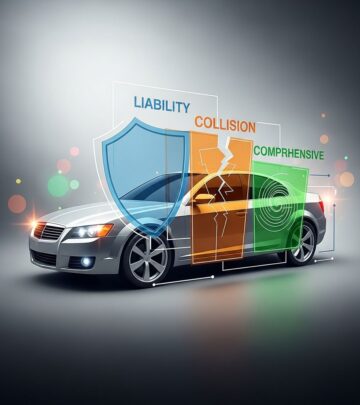
The primary focus of non-owner car insurance is liability coverage, split into bodily injury and property damage categories. Bodily injury liability addresses medical expenses, lost wages, and legal fees for others harmed in an at-fault accident, while property damage covers repairs to vehicles or structures impacted.
- Bodily Injury Liability: Pays for injuries to people in other vehicles or pedestrians.
- Property Damage Liability: Handles costs for damaged property like cars or fences.
- Optional Add-Ons: May include medical payments for the policyholder’s injuries regardless of fault, or uninsured/underinsured motorist protection against negligent drivers.
These policies exclude collision and comprehensive coverage, meaning no reimbursement for the driven vehicle’s repairs from crashes or non-collision events like theft or weather damage—these fall under the owner’s policy.
Key Exclusions and Limitations
Non-owner insurance does not protect the vehicle itself or the driver’s personal injuries directly. It skips coverage for:
- Physical damage to borrowed or rented cars.
- Personal belongings stolen from the vehicle.
- Business-use driving scenarios.
- Additional unnamed drivers on the policy.
As secondary coverage, it kicks in after the vehicle owner’s primary insurance, providing excess protection if limits are exhausted.
Ideal Scenarios for Purchasing Non-Owner Insurance
This coverage suits specific lifestyles and situations where driving occurs without ownership.
| Situation | Why It Fits |
|---|---|
| Frequent car rentals or rideshares | Ensures liability beyond rental company minimums. |
| Borrowing family/friend vehicles often | Protects if owner’s policy excludes or underinsures. |
| Maintaining insurance history during car-free periods | Prevents lapses that raise future rates. |
| SR-22 filing requirements post-DUI | Meets proof-of-insurance mandates without a car. |
Individuals without a driver’s license or no driving plans have no need for it, nor do car owners who should opt for standard policies.
Financial Advantages and Cost Factors
Non-owner policies cost significantly less than full auto insurance—often 20-50% cheaper—due to lacking vehicle-specific protections. Average annual premiums range from $400-$600, varying by location, driving record, and coverage levels.
Factors influencing rates include:
- Driving History: Clean records yield lower premiums; violations increase them.
- Location: Urban areas with high accident rates cost more.
- Age and Experience: Younger or novice drivers pay higher.
- Coverage Limits: Higher liability caps raise costs.
Shopping multiple insurers yields the best rates, as providers like GEICO and Progressive specialize in these policies.
Navigating State Regulations and Requirements
While not universally mandated, some states require minimum liability for all drivers. Non-owner policies help comply during high-risk periods, such as SR-22 filings for convictions like DUI, where courts demand ongoing proof of financial responsibility.
Not all states treat non-owner insurance identically; availability and required minimums differ. For instance, it’s widely offered but may need customization for local laws.
Steps to Obtain Non-Owner Car Insurance
- Assess Needs: Confirm frequent non-owned vehicle use.
- Gather Documents: License, driving record, SR-22 if needed.
- Compare Quotes: Use online tools from multiple carriers.
- Select Coverage: Choose liability limits and add-ons.
- Purchase and File: Submit to DMV if SR-22 required.
Many insurers offer instant online quoting, simplifying the process.
Real-World Applications and Case Examples
Consider a rideshare user in a dense city: borrowing a roommate’s car weekly exposes them to liability risks beyond the owner’s policy. Non-owner insurance bridges this gap, covering excess claims.
Another case: post-DUI, a driver surrenders their car but must maintain coverage for license reinstatement. A non-owner policy satisfies SR-22 without unnecessary vehicle coverage costs.
Comparing Non-Owner to Traditional Policies
| Feature | Non-Owner | Traditional |
|---|---|---|
| Vehicle Ownership | Not required | Required |
| Coverage Type | Liability-focused | Full suite (collision, comp) |
| Cost | Lower | Higher |
| Portability | Follows driver | Tied to vehicle |
This comparison highlights non-owner as a targeted, economical choice for non-owners.
Frequently Asked Questions
Does non-owner insurance cover rental cars?
Yes, it provides secondary liability after the rental agency’s coverage.
Is it cheaper than standard car insurance?
Typically yes, due to limited scope.
Who offers non-owner policies?
Providers like GEICO, Progressive, State Farm, and Nationwide.
Can it satisfy SR-22 requirements?
Absolutely, for those without vehicles.
Does it cover my injuries?
Optional med pay or UM/UIM may, but not standard liability.
Strategic Tips for Maximizing Value
To optimize non-owner insurance:
- Bundle with renters or other policies for discounts.
- Opt for higher liability limits to match state recommendations.
- Review annually for rate changes.
- Disclose all occasional driving accurately to avoid claim denials.
This coverage maintains driving privileges securely without excess expense.
References
- What is Non-Owner Car Insurance – Direct Auto Insurance — Direct Auto. Accessed 2026. https://www.directauto.com/learning-center/car-insurance/car-insurance-for-non-owners
- A Driver’s Guide to Non-Owner Car Insurance – NerdWallet — NerdWallet. Accessed 2026. https://www.nerdwallet.com/insurance/auto/learn/non-owner-car-insurance-where-to-buy-and-what-it-covers
- Understanding Non-Owner Car Insurance: Who Needs It & What It … – GEICO — GEICO. Accessed 2026. https://www.geico.com/information/aboutinsurance/auto/non-owner-car-insurance/
- What Is Non-Owner Car Insurance? – Progressive — Progressive. Accessed 2026. https://www.progressive.com/answers/non-owner-car-insurance/
- Non-Owner Car Insurance: Who Needs Coverage? – Nationwide — Nationwide. Accessed 2026. https://www.nationwide.com/lc/resources/auto-insurance/articles/non-owner-car-insurance
- What Is Non-Owner Car Insurance? | Lemonade — Lemonade. Accessed 2026. https://www.lemonade.com/car/explained/non-owner-car-insurance-coverage/
Similar Articles








Read full bio of Sneha Tete