No-Deposit Secured Cards: Build Credit Without Upfront Cash
Discover how prepaid-style secured credit cards let you build credit without a traditional security deposit, using linked accounts or payroll.

Secured credit cards typically demand an initial security deposit to establish your spending limit, but innovative alternatives exist that eliminate this barrier. These no-deposit secured cards operate similarly to prepaid cards, where you preload funds into a linked account or connect your paycheck, allowing you to build credit history without tying up cash in a traditional deposit.
Understanding Traditional Secured Cards and Their Deposits
Conventional secured credit cards require you to provide a refundable deposit, often ranging from $200 to $2,500, which directly sets your credit limit. This deposit acts as collateral for the issuer, reducing their risk if you miss payments. For instance, issuers like Bank of America mandate a minimum of $200 up to $5,000, with the limit based on your deposit, income, and repayment ability. U.S. Bank offers deposits from $300 to $5,000 with no annual fee, emphasizing credit-building through responsible use.
The deposit remains locked until you close the account or upgrade to an unsecured card after demonstrating good payment habits. Issuers may review accounts periodically, potentially returning your deposit and converting to an unsecured product once your credit reaches fair status (580-669 FICO score). This structure helps those with limited or poor credit histories start rebuilding.
How No-Deposit Secured Cards Differ and Work
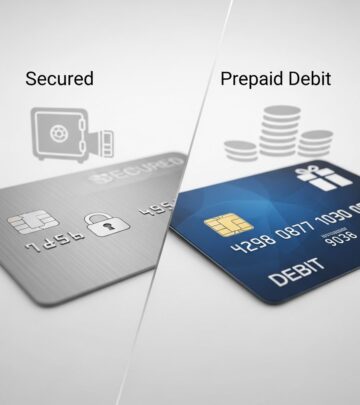
No-deposit secured cards shift the model by functioning like prepaid cards. Instead of a one-time deposit, you transfer funds into a connected account, which becomes your available credit limit. You cannot exceed this balance, preventing debt accumulation. Crucially, unlike standard prepaid cards, these report activity to major credit bureaus—Experian, TransUnion, and Equifax—enabling credit score improvement.
Key features include no credit check for approval, ATM cash withdrawals, peer-to-peer transfers, and flexible funding via direct deposit, Apple Pay, PayPal, or Venmo. Some link directly to payroll, automating payments from your paycheck. This setup suits those needing immediate access without upfront cash commitment, though you still need funds available for spending.
| Feature | Traditional Secured | No-Deposit Secured |
|---|---|---|
| Initial Requirement | Security deposit ($200-$5,000) | Preload linked account or payroll link |
| Credit Limit | Matches deposit | Equals preloaded funds |
| Credit Reporting | Yes, to all bureaus | Yes, to all bureaus |
| Credit Check | Often required | Usually not |
| Overdraft Risk | Possible if payments missed | None—spend only preloaded amount |
Advantages of Choosing No-Deposit Options
- Cash Flow Flexibility: Avoid locking funds in a deposit; add money as needed without immediate large outlay.
- Accessibility: No credit check means approval for those with thin files or past issues.
- Extra Perks: Cash back rewards (with direct deposit), ATM access, and P2P payments enhance utility.
- Credit Building: Positive payment history boosts scores, paving way for unsecured upgrades.
These cards bridge the gap for beginners or rebuilders, offering security without the full commitment of traditional secured products.
Potential Drawbacks and Fees to Watch
While appealing, no-deposit cards aren’t fee-free. Monthly or transaction fees may apply, and cash back often requires direct deposit setup. Confirm reporting to all three bureaus, as incomplete reporting limits benefits. Preloading still demands budgeting to cover bills and emergencies. Compare options carefully:
- Check for annual fees, reload charges, or inactivity penalties.
- Verify funding methods align with your habits.
- Ensure mobile app supports easy management.
Steps to Obtain and Use a No-Deposit Secured Card
- Evaluate Finances: Determine affordable preload amount or if payroll linking fits. Maintain emergency savings separately.
- Research Cards: Prioritize low fees, full bureau reporting, and useful rewards. Examples include cards mimicking prepaid functionality.
- Apply Online: Provide basic info like name, address, SSN, phone, email. Expect quick approval sans credit pull.
- Fund and Activate: Load account via preferred method; start using immediately.
- Manage Responsibly: Pay on time, keep utilization low (under 30%), monitor via app.
- Plan Upgrade: After 6-12 months of good use, seek unsecured options or issuer upgrades.
Unsecured Cards: The No-Deposit Standard
Most credit cards are unsecured, requiring no deposit but relying on credit history, income, and scores for approval. Good credit (670+ FICO) unlocks premium rewards and low rates, while fair credit may qualify for basic cards. Pre-approval tools from issuers like Capital One check eligibility without score impact.
For no-credit individuals, secured or no-deposit secured cards serve as starters. Responsible use can lead to unsecured approvals within a year. Note: Not all banks like Chase offer secured cards, focusing on unsecured starters.
Comparing Secured vs. Unsecured: Which Fits You?
| Aspect | Secured (Traditional) | No-Deposit Secured | Unsecured |
|---|---|---|---|
| Deposit Needed | Yes | No (preload/payroll) | No |
| Credit Score Needed | Poor/Fair | Any/None | Fair/Good+ |
| Approval Odds | High | Very High | Moderate |
| Fees | Low-Moderate | Variable | Low if good credit |
| Upgrade Path | Yes | Yes | N/A |
Real-World Examples and Issuer Insights
Capital One’s Platinum Secured starts at $49-$200 deposit for $200+ limit, with potential increases. Mastercard offers unsecured bad-credit options with $400 limits sans deposit. Discover notes income and scores drive unsecured approvals. These vary, so match to needs.
Frequently Asked Questions
Do no-deposit secured cards build credit?
Yes, they report payments to bureaus if you choose reporting cards, improving scores with on-time use.
Can I get cash from these cards?
Many allow ATM withdrawals or P2P transfers, unlike pure prepaid.
How long until I upgrade?
Typically 6-12 months of responsible use qualifies for unsecured.
Are there rewards?
Some offer cash back with direct deposit; compare terms.
What’s the difference from prepaid cards?
Prepaid doesn’t report to credit bureaus; these do, aiding credit growth.
Long-Term Credit Building Strategies
Beyond cards, diversify: become authorized user, use credit-builder loans, pay bills via services reporting to bureaus. Monitor score free via apps. Aim for low utilization, timely payments—35% and 30% of FICO score respectively. Patience yields unsecured freedom.
In summary, no-deposit secured cards democratize credit access, blending prepaid safety with reporting power. Assess fit, apply strategically, and track progress for financial empowerment.
References
- Can You Get a Secured Credit Card With No Deposit? — Experian. 2023. https://www.experian.com/blogs/ask-experian/can-you-get-secured-card-with-no-deposit/
- Can You Get a Credit Card With No Deposit? — Citi. 2024. https://www.citi.com/credit-cards/understanding-credit-cards/can-you-get-a-credit-card-with-no-deposit
- How to Get a Credit Card With No Deposit — Capital One. 2024. https://www.capitalone.com/learn-grow/money-management/how-to-get-a-credit-card-with-no-deposit/
- Can I Get Credit Cards With No Deposit? — American Express. 2024. https://www.americanexpress.com/en-us/credit-cards/credit-intel/credit-cards-with-no-deposit/
- Starter Credit Cards Without a Deposit — Chase. 2024. https://www.chase.com/personal/credit-cards/education/basics/starter-cards-without-a-deposit
- How Can I Get Credit Cards with No Deposit? — Discover. 2024. https://www.discover.com/credit-cards/card-smarts/credit-card-with-no-deposit/
- BankAmericard Secured Credit Card — Bank of America. 2024. https://www.bankofamerica.com/credit-cards/products/secured-credit-card/
Similar Articles








Read full bio of Sneha Tete