No Credit Score: Risks and Solutions
Discover why lacking a credit score can hinder your financial goals and learn proven steps to build credit fast.

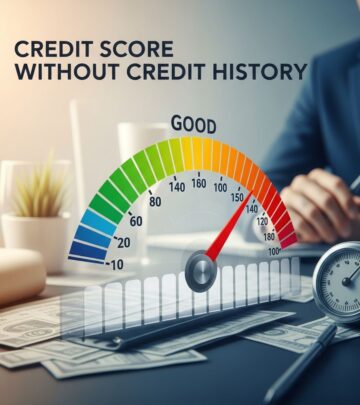
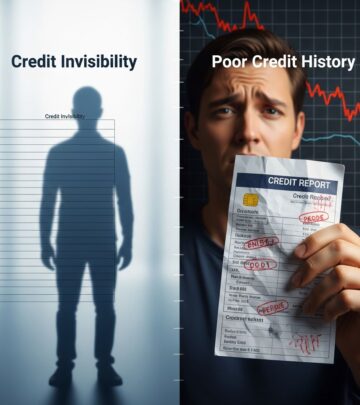
Absence of a credit score, often called credit invisibility, means credit bureaus lack sufficient data to generate a score from your file. This situation arises when there’s no recent borrowing activity or accounts reported to major bureaus like Equifax, Experian, and TransUnion. While not as damaging as a low score, it still poses significant hurdles in daily financial matters.
Understanding Credit Invisibility
Credit scores like FICO or VantageScore require active credit accounts with recent activity, typically within the last six months, to calculate a number. Without this, you’re deemed “credit invisible” even if reports exist but show dormancy. Common among young adults post-18, immigrants, or retirees who’ve cleared debts.
- Young starters: No prior loans or cards after legal borrowing age.
- Immigrants: Foreign credit doesn’t transfer to U.S. reports.
- Retirees: Paid-off debts lead to inactive files after inactivity periods.
This status signals to lenders an unknown risk profile, as they can’t assess repayment reliability.
Key Drawbacks of No Credit Score
Lacking a score restricts access to favorable financial products and services. Lenders view you as high-risk due to unproven track record.
Loan and Credit Card Denials
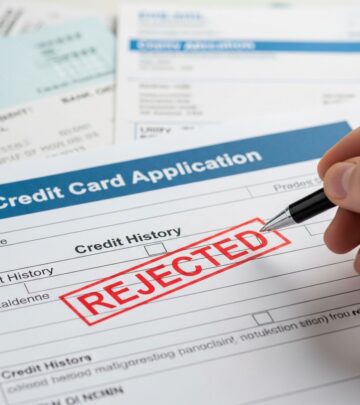
Most loans demand a score; without one, approvals drop sharply. Available options often feature high rates or low limits. Credit cards for no-credit users exist but offer minimal rewards and caps.
Higher Borrowing Costs
When approved, expect elevated interest and fees to offset lender uncertainty. This inflates total repayment, straining budgets.
Housing Challenges
Landlords screen via credit; no score may lead to rejections or doubled deposits signaling payment risk. Mortgages become nearly impossible without history.
Insurance and Utility Hurdles
Auto insurers factor credit into premiums; invisibility can hike costs as a risk proxy. Utilities may demand deposits for service, treating you as unproven.
Other Restrictions
Rental cars, cell plans, and even jobs may check credit. Employers in finance or security roles often require scores; absence can cost opportunities.
| Area | Impact of No Score | Typical Requirement |
|---|---|---|
| Loans | Denials or high rates | Score above 600 |
| Rentals | Higher deposits/rejections | Established history |
| Insurance | Increased premiums | Positive score |
| Jobs | Potential disqualifications | Score check in some fields |
No Credit vs. Bad Credit: A Comparison
Neither is ideal, but no credit edges out as easier to fix. Bad credit (FICO below 579, VantageScore under 600) shows past issues like delinquencies. No credit lacks data, fixable quicker via new positive activity. Bad credit demands longer rebuilding amid higher scrutiny.
- Fix time: No credit: months; Bad: years.
- Lender view: No credit: unknown; Bad: proven risk.
- Options: Both face denials, but no credit avoids negative marks.
Building from zero beats repairing damage, as lenders prefer clean starts.
Proven Ways to Build Credit from Scratch
Establish history responsibly to gain a score fast. Focus on reported activity to bureaus.
Secured Credit Cards
Deposit-funded cards report payments, building history without risk. Use lightly, pay fully monthly.
Credit-Builder Loans
Borrow small amounts held in savings; timely payments build score. Ideal for no-credit starters.
Authorized User Status
Join a trusted person’s card with solid history. Their positive data boosts your file if reported.
Report Alternative Payments
Services like Experian Boost add rent, utilities, or telecom bills to files, potentially raising scores instantly.
Become an Account Holder
Open retail cards or small loans that report activity. Avoid maxing utilization.
- Check free reports weekly at AnnualCreditReport.com.
- Apply for starter products.
- Pay on time, keep balances under 30%.
- Monitor progress monthly.
Timeline for Credit Score Generation
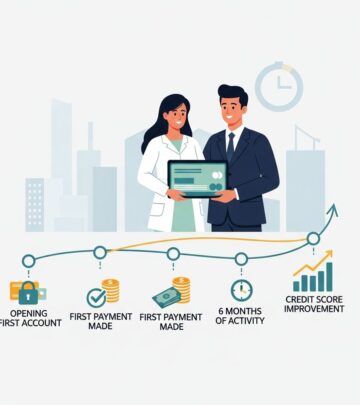
Scores emerge after 3-6 months of activity. FICO needs recent data; consistent use accelerates. Patience yields results—many see scores in under 90 days with tools like Boost.
Common Myths About No Credit
- Myth: No credit means zero score. Fact: Bureaus can’t compute without data.
- Myth: Living debt-free causes it permanently. Fact: Inactivity over six months triggers it.
- Myth: Bad credit worse forever. Fact: No credit rebuilds faster.
FAQs
Is no credit score worse than bad credit?
No—it’s a blank slate, easier to fill positively than erase negatives.
How long to get a score with no history?
Typically 3-6 months of reported activity.
Can I rent without a score?
Possible, but expect higher deposits or alternative proofs like pay stubs.
Do utilities check credit?
Yes, often requiring deposits for invisibles.
What’s the fastest build method?
Experian Boost or credit-builder loans for quick inclusion.
Long-Term Financial Strategy
Beyond basics, diversify accounts: mix revolving credit and installment loans. Aim for 15+ year history for top scores. Automate payments, review statements. This positions you for prime rates, better housing, and career edges.
Proactively building credit unlocks opportunities. Start small, stay consistent—financial freedom follows.
References
- 7 Side Effects of Having No Credit Score — Wise Loan. 2023. https://wiseloan.com/blog/7-side-effects-of-having-no-credit-score/
- Is No Credit Better Than Bad Credit? — Experian. 2024-01-15. https://www.experian.com/blogs/ask-experian/is-no-credit-better-than-bad-credit/
- Is it Bad to Have No Credit Score? — Experian. 2024-02-20. https://www.experian.com/blogs/ask-experian/is-it-bad-to-have-no-credit-score/
- What Having No Credit Score Really Means — TDECU. 2023-11-10. https://www.tdecu.org/blog/what-no-credit-score-means
- Bad Credit vs. No Credit — Navy Federal Credit Union. 2024-03-05. https://www.navyfederal.org/makingcents/credit-debt/bad-credit-vs-no-credit.html
Similar Articles








Read full bio of Sneha Tete