Night Shift Jobs: Best Options, Pay & Survival Tips
Discover the best night shift jobs, what they pay, their pros and cons, and practical tips to stay healthy and productive working overnight.
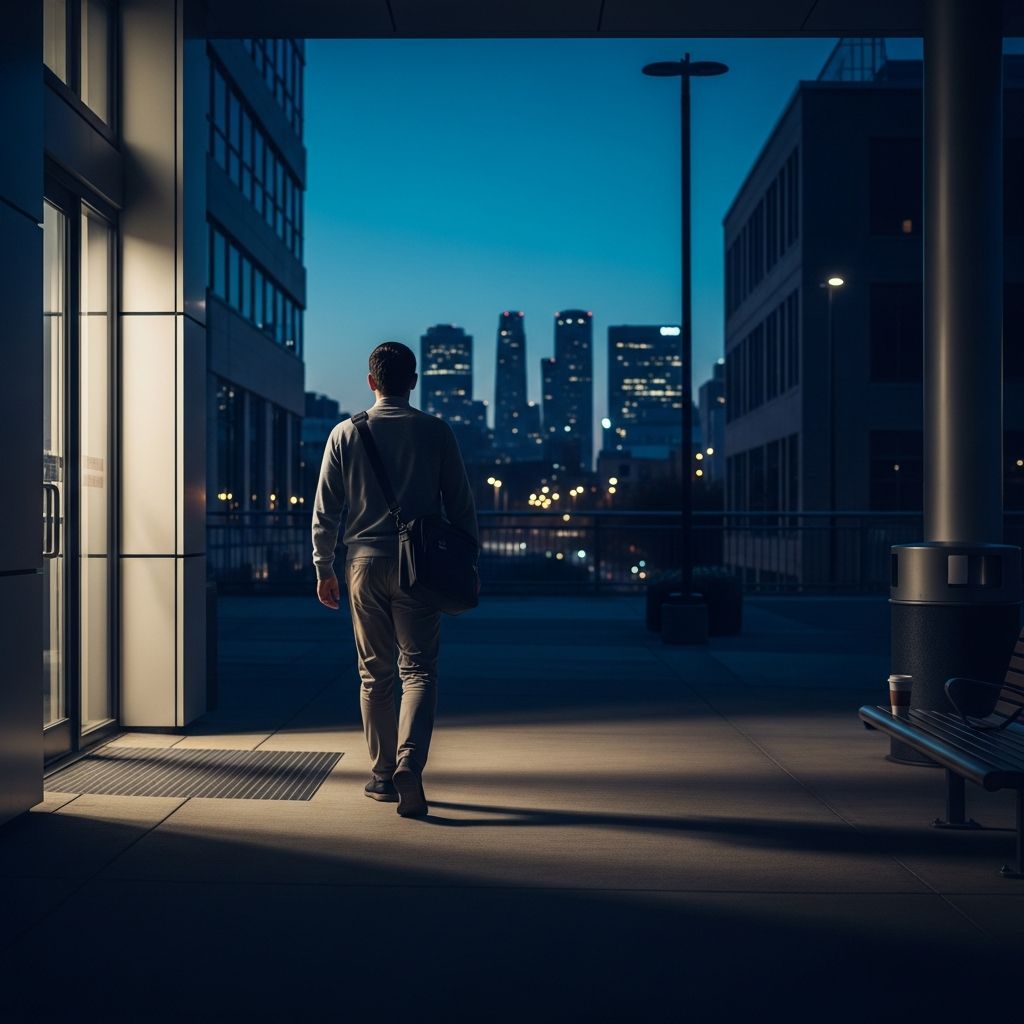
Night shift jobs can be a powerful way to earn extra income, fit work around family life, or break into a new field. But working when most people are asleep also comes with real challenges for your health, relationships, and long-term well-being.
This guide walks through the main types of night shift jobs, typical earning potential, benefits and downsides, plus practical strategies to protect your sleep, health, and money while working overnight.
What Is Considered a Night Shift Job?
A night shift job is any role where most or all of your working hours fall outside the standard 9-to-5 window and extend late into the evening, overnight, or very early morning.
Common night shift patterns include:
- Evening shifts (for example, 4 p.m. to midnight)
- Overnight shifts (for example, 10 p.m. to 6 a.m.)
- Rotating shifts (alternating days and nights over a schedule)
- Split shifts that cover late evenings and early mornings
These schedules are common in industries that must operate 24/7, such as healthcare, transportation, manufacturing, logistics, security, and customer support.
Why People Choose Night Shift Work
Despite the challenges, many workers actively seek out night shifts because they align better with their financial goals or personal responsibilities.
- Higher pay: Many employers offer a night shift differential or premium, so you earn more per hour for the same role.
- Less daytime conflict: Nights can work better if you have caregiving responsibilities or classes during the day.
- Quieter work environment: Fewer meetings and fewer interruptions can make it easier to focus and complete tasks.
- Career advantage: With fewer staff overnight, there may be more chances to take on responsibility and stand out.
- Extra income: Night work can be a side hustle alongside a day job or a way to accelerate debt payoff and savings.
Best Night Shift Jobs to Consider
Below are common night shift jobs that typically offer steady demand and relatively predictable hours. Pay ranges are approximate and can vary significantly by region, experience, and employer.
1. Night Shift Nurse or Healthcare Worker
Hospitals, long-term care facilities, and emergency departments must be staffed around the clock. Nurses, nursing assistants, and other healthcare workers are essential on the night shift.
- What you do: Provide direct patient care, monitor vital signs, administer medications, and respond to emergencies.
- Typical environment: Hospitals, clinics, nursing homes, urgent care centers.
- Why nights pay more: Many healthcare facilities pay a differential for overnight work.
2. Night Shift Customer Support & Call Center Roles
Global companies and online services often need 24/7 customer support, creating steady demand for night agents.
- What you do: Answer calls, respond to emails or chats, troubleshoot issues, and document customer interactions.
- Typical environment: Call centers, remote/home-based roles, tech support desks.
- Good fit if you: Have strong communication skills and prefer working quietly with fewer interruptions.
3. Security Guard and Night Patrol Jobs
Security staff are needed to monitor buildings, campuses, and events overnight when the risk of unauthorized access or incidents can increase.
- What you do: Patrol premises, monitor cameras, check alarms, lock and unlock buildings, and report incidents.
- Typical environment: Office buildings, warehouses, campuses, hospitals, public facilities.
- Upside: Some posts are quiet enough that you can read, study, or work on certifications during downtime (when permitted).
4. Warehouse, Fulfillment, and Stocking Roles
Warehouses, distribution centers, and large retail operations frequently run overnight to prepare orders and restock inventory before morning.
- What you do: Pick and pack orders, load and unload trucks, stock shelves, operate forklifts or other equipment.
- Typical environment: E-commerce fulfillment centers, grocery distribution, big-box retail backrooms.
- Benefit: Physical work can help you stay awake and active during night hours.
5. Transportation and Delivery Jobs
Transportation and logistics companies often operate overnight to move goods, mail, and packages by morning.
- What you do: Drive trucks or delivery vehicles, sort packages, load cargo, or operate equipment at depots.
- Typical environment: Postal services, parcel companies, freight terminals, airports.
- Considerations: Long hours and monotony can increase fatigue-related accident risk, so sleep hygiene is critical.
6. Hospitality and Food Service Night Roles
Hotels, late-night restaurants, and 24-hour cafes all need night staff to serve customers and keep operations running.
- What you do: Front desk reception, cleaning and housekeeping, overnight cooking, dishwashing, or room service.
- Typical environment: Hotels, motels, diners, airport restaurants, casinos.
- Perk: Tips in some roles can boost your effective hourly pay.
7. Remote and Freelance Night Work
Some knowledge work can be done at any time of day, opening the door for night-owl-friendly remote or freelance roles.
- What you do: Content writing, moderation, editing, virtual assisting, data entry, or technical support.
- Typical environment: Home office or co-working spaces open late.
- Benefit: High flexibility; you can choose clients and projects that fit your schedule.
Pros and Cons of Working Night Shifts
Before committing to a night shift job, weigh both the financial upsides and the potential effects on your body and life.
| Pros of Night Shift Work | Cons of Night Shift Work |
|---|---|
| Often comes with higher pay via shift differentials. | Disrupts circadian rhythm and sleep patterns. |
| Quieter environment with fewer meetings and interruptions. | Increased risk of chronic health issues over time (cardiovascular disease, metabolic disorders, some cancers). |
| More autonomy and responsibility in some roles (e.g., nursing or security). | Greater risk of fatigue-related accidents and performance errors. |
| Can better align with daytime caregiving, classes, or a daytime side hustle. | Social isolation and difficulty maintaining relationships and social life. |
| Opportunity to stand out due to smaller night staff and less competition. | Sleep problems, daytime sleepiness, and potential shift work sleep disorder. |
How Night Shifts Affect Health and Well-Being
Night work is not just a scheduling issue; it can have meaningful long-term impacts on health if not managed carefully.
Disrupted Circadian Rhythm and Sleep
Your body operates on a 24-hour internal clock (circadian rhythm) that influences sleep, hormones, digestion, and mood. Night shifts conflict with normal light–dark exposure, which can:
- Make it harder to fall asleep and stay asleep during the day.
- Cause excessive sleepiness while working at night.
- Increase the risk of circadian rhythm sleep disorders, including shift work sleep disorder.
Long-Term Health Risks
Research links years of shift work to higher risks of several chronic conditions, even after controlling for other lifestyle factors.
- Cardiovascular disease: Elevated risk of high blood pressure and heart disease.
- Metabolic problems: Higher rates of obesity, diabetes, and metabolic syndrome.
- Potential cancer risk: Disrupted circadian rhythms may affect DNA repair and melatonin production, which can influence cancer risk.
- Mental health challenges: Shift workers show higher rates of depression and anxiety in large studies.
Safety and Performance
Fatigue impairs attention, reaction time, and decision-making, raising the likelihood of errors and accidents on the job.
- Higher risk of workplace injuries, especially in jobs involving driving, machinery, or direct patient care.
- Decreased vigilance and slower reactions during the circadian “low” in the early morning hours.
- Potential for medication errors or judgment mistakes in safety-critical fields like healthcare or transportation.
Practical Tips to Survive and Thrive on Night Shifts
While you cannot remove all the risks of night work, you can use evidence-based strategies to reduce harm and protect your energy and performance.
1. Protect Your Sleep Window
- Schedule a consistent daytime sleep block after each shift and treat it as non-negotiable.
- Use blackout curtains, eye masks, and earplugs or white noise to block light and sound.
- Avoid caffeine in the hours before your scheduled sleep to help you fall asleep more easily.
2. Use Light Strategically
- Expose yourself to bright light at the beginning of your shift to signal wakefulness to your body.
- Minimize bright light exposure on the commute home (for example, sunglasses) so your brain can prepare for sleep.
- Keep your bedroom as dark as possible to support melatonin production and deeper rest.
3. Prioritize Nutrition and Movement
- Plan balanced meals and snacks with protein, fiber, and healthy fats instead of relying only on vending machines and fast food.
- Avoid very heavy meals right before sleep, which can disrupt rest and digestion.
- Build in short walks or gentle stretching breaks during your shift to maintain circulation and alertness.
4. Set Boundaries Around Your Time
- Communicate your daytime sleep schedule clearly to family and friends so they know when not to call or visit.
- Limit additional commitments on workdays—your rest is crucial for safety and performance.
- Protect at least one day each week with minimal obligations to catch up physically and mentally.
5. Use Night Shifts to Support Your Financial Goals
If you choose night work, make sure the extra effort and health trade-offs move you closer to your financial priorities.
- Assign a clear purpose to your shift differential or overtime pay (for example, debt payoff, emergency fund, or tuition).
- Automate transfers from your paycheck into savings or investment accounts so extra earnings do not get absorbed into everyday spending.
- Regularly reevaluate whether the extra income still justifies the physical and emotional load of working nights.
Is a Night Shift Job Right for You?
Night shift work can be a good fit if you:
- Have a strong reason for the extra income or flexibility (such as debt payoff or caregiving).
- Can realistically protect a dedicated sleep window during the day.
- Are willing to build and maintain healthy routines around sleep, food, and movement.
- Understand the potential long-term health impacts and plan to reassess over time.
If you already struggle with insomnia, mood disorders, or serious health conditions, talk to a healthcare professional before committing to ongoing night work.
Frequently Asked Questions (FAQs)
Q: What hours are usually considered a night shift?
A: Many employers define night shift as any schedule that covers late evening to early morning, such as 10 p.m. to 6 a.m., though some count work starting after 6 p.m. or ending before 7 a.m. as night work.
Q: Are night shift jobs bad for your health?
A: Long-term shift work, especially nights, is linked to higher risks of cardiovascular disease, metabolic disorders, some cancers, and mental health issues, largely due to disrupted circadian rhythms and chronic sleep loss.
Q: How long does it take to adjust to working nights?
A: Adaptation varies by person, but many workers need at least one to two weeks of consistent night schedules and protected daytime sleep before feeling more stable; frequent switching between days and nights makes adjustment much harder.
Q: Can working a night shift help me earn more money?
A: Yes. Many employers pay a night shift differential or higher hourly rate for overnight work, and some roles also offer overtime opportunities, making nights a strategic way to boost income if managed safely.
Q: How can I tell if night shifts are harming my health?
A: Warning signs include persistent insomnia or daytime sleepiness, difficulty staying awake on shift, mood changes, declining performance, or frequent illnesses. If you notice these, consult a healthcare professional to rule out shift work sleep disorder or other conditions.
References
- Overnight Shifts: Pros, Cons, and How to Keep Your Team Productive — Shiftbase. 2023-08-10. https://www.shiftbase.com/blog/overnight-shifts
- Working Night Shifts: 15 Pros and Cons To Consider — CareerAddict. 2022-06-15. https://www.careeraddict.com/10-advantages-and-disadvantages-in-working-night-shifts
- Night Shift Nursing: Pros, Cons, and Survival Strategies — CareRev. 2023-03-02. https://www.carerev.com/blog/night-shift-nursing-pros-and-cons
- 5 long-term health effects of shift work — UCLA Health. 2023-01-09. https://www.uclahealth.org/news/article/5-long-term-health-effects-shift-work
- 10 Effects of Working Night Shifts (and How To Combat Them) — Sling. 2021-04-20. https://getsling.com/blog/effects-of-working-night-shifts/
- What You Need to Know About Night Shift Jobs — Indeed Career Guide. 2022-11-28. https://www.indeed.com/career-advice/finding-a-job/night-shifts-hours
- Negative Impacts of Shiftwork and Long Work Hours — Caruso CC, US National Institute for Occupational Safety and Health (NIOSH). 2014-11-01. https://pmc.ncbi.nlm.nih.gov/articles/PMC4629843/
Similar Articles








Read full bio of medha deb