Night Guards for Nocturnal Bruxism: Complete OTC Management Guide
Manage teeth grinding at night with comprehensive guide to OTC night guards and professional alternatives.
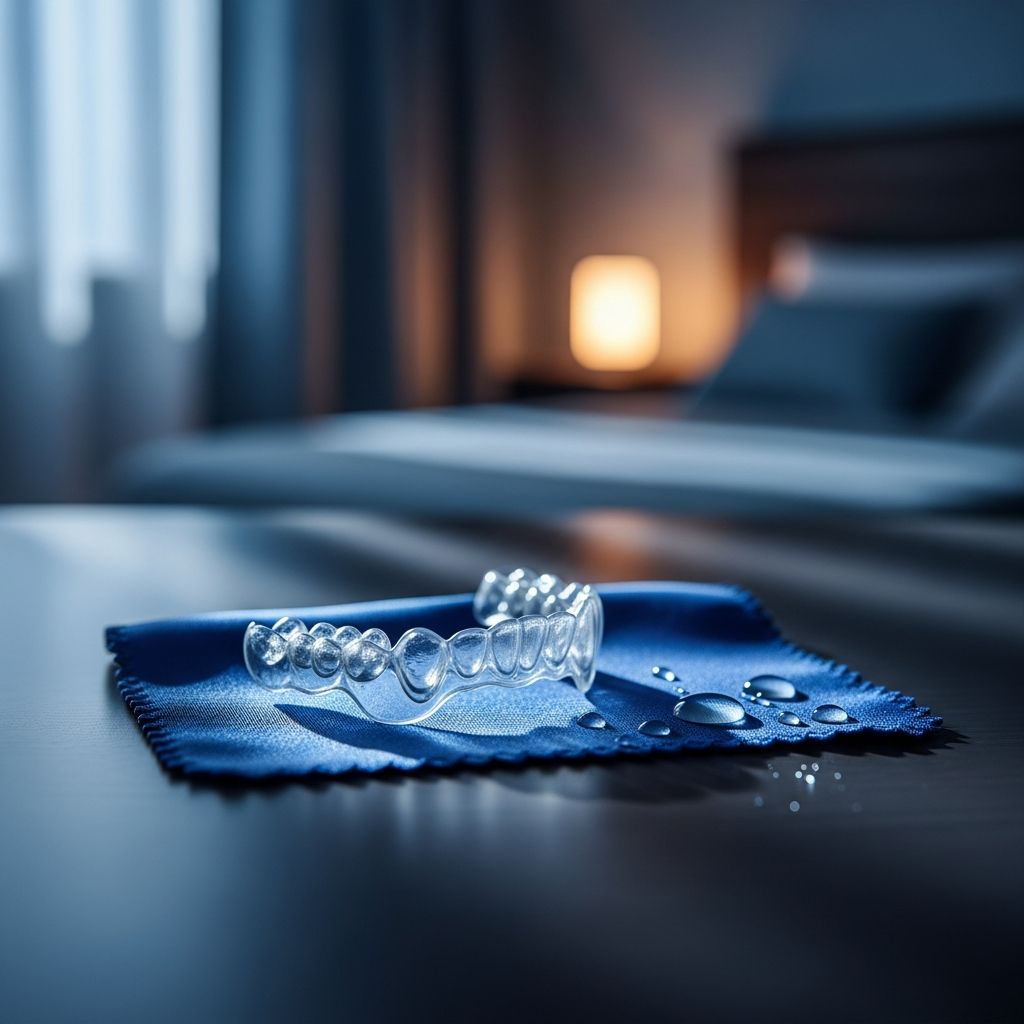
Understanding Nocturnal Bruxism and the Role of Night Guards
Nocturnal bruxism, commonly known as teeth grinding during sleep, affects millions of people worldwide. Sleep bruxism is found in almost 17% of people globally, making it a significant concern for dental health and overall well-being. Unlike awake bruxism, which occurs in about 5% of the population as a subconscious coping mechanism, sleep bruxism happens involuntarily during rest periods, potentially causing serious damage to teeth, jaw joints, and surrounding muscles.
Night guards have become a fundamental treatment option for managing bruxism symptoms and protecting dental structures from progressive damage. These oral appliances act as a cushion between the upper and lower teeth, distributing the pressure from grinding and clenching away from the biting surface while reducing friction. However, understanding the different types of night guards available and selecting the right solution for your specific needs requires careful consideration of multiple factors.
The Causes and Symptoms of Bruxism
What Triggers Teeth Grinding?
Research has identified several physical and psychological factors associated with bruxism development. Individuals are more likely to grind their teeth if they take anti-anxiety medications, consume large amounts of caffeinated beverages, have a family history of bruxism, or use recreational drugs. However, the exact mechanisms behind teeth grinding remain incompletely understood by medical professionals.
Stress and anxiety play significant roles in bruxism development. When individuals fail to release accumulated stress before sleep, their brain may respond through the physical action of teeth grinding. People under significant pressure or possessing highly-driven personalities show increased likelihood of developing this condition. This connection between psychological well-being and nocturnal grinding highlights the importance of addressing stress management alongside physical interventions.
Recognizing Bruxism Symptoms
Common symptoms of bruxism include cracked, chipped, or abraded teeth, facial muscle pain, headaches, and tooth sensitivity. Many sufferers experience jaw pain and occasional jaw locking. In severe cases, individuals have ground their teeth with such force that they dislocated their jaws, demonstrating the potential severity of untreated bruxism. Waking with a sore jaw or headache often signals nocturnal teeth grinding that requires intervention.
Types of Night Guards: An Overview
Night guards are not designed to cure bruxism itself but rather to manage symptoms and prevent tooth damage. They differ significantly from sports mouth guards, which protect against facial injury during contact activities. Understanding the three main categories of night guards helps consumers make informed decisions about their oral health management.
Over-the-Counter Night Guards
Over-the-counter night guards represent the most accessible and affordable option for bruxism management. These oral appliances are widely available in drugstores and online retailers, offering two primary formats: boil-and-bite guards and one-size-fits-most solutions.
Boil-and-bite guards provide customization through a simple process. Users soften the guard material in hot water, then bite into it to form a custom shape. Once cooled, the guard hardens into place, creating a personalized fit. One-size-fits-all guards arrive pre-molded and cannot be customized, offering minimal adjustment options.
OTC night guards are ideal for individuals with mild bruxism symptoms who need immediate relief without waiting for custom solutions. They’re perfect for those on tight budgets seeking quick and convenient options. However, these guards may not provide optimal protection for moderate to severe grinding and might not fit as effectively as professionally made alternatives.
Professional Mail-Order Night Guard Kits
Mail-order custom night guard kits bridge the gap between OTC options and dentist-made guards. These services allow patients to create custom impressions of their teeth at home, then send them to laboratories for professional fabrication. While taking several weeks for delivery, these guards offer significantly better customization than standard OTC products at intermediate pricing.
Dentist-Made Custom Night Guards
Professionally fitted night guards from dental offices represent the gold standard for bruxism management. Dentists take precise impressions and measurements, ensuring perfect fit and optimal comfort. Custom guards designed for individual mouths provide superior protection and long-term durability. Dentists also monitor the fit and any complications, making professional solutions essential for comprehensive oral health management.
Comparing Night Guard Options
| Feature | Over-the-Counter | Mail-Order Custom | Dentist-Made |
|---|---|---|---|
| Cost | $20-$50 | $150-$300 | $300-$500+ |
| Customization | Limited (boil-and-bite) | Fully customized | Fully customized |
| Fit Quality | Variable | Good | Excellent |
| Durability | 6-12 months | 1-3 years | 3-5+ years |
| Professional Monitoring | None | None | Yes |
| Time to Receive | Immediate | 2-3 weeks | 1-2 weeks |
Key Factors for Choosing the Right Night Guard
Assessing Symptom Severity
The severity of your bruxism symptoms should guide your night guard selection. Light bruxers can benefit from basic OTC guards that provide adequate protection for mild grinding. However, individuals experiencing regular jaw pain, persistent headaches, and tight neck muscles indicate moderate to severe bruxism requiring more robust protection. In these cases, professionally fitted guards or mail-order custom solutions prove significantly more effective than standard OTC options.
Budget Considerations
Financial constraints play a practical role in guard selection. OTC guards offer budget-friendly solutions starting under $50, making them accessible for those with limited funds. Custom mail-order guards typically range from $150-$300, representing a middle ground. Professional dentist-made guards cost $300-$500 or more but provide superior long-term value through durability and effectiveness.
Timeline Requirements
Your urgency for protection affects available options. If you need immediate relief, OTC kits deliver instant solutions available for purchase and use the same day. If you can wait several weeks, professional custom-made guards expand your options, providing superior fit and protection despite longer wait times.
Benefits of Night Guard Protection
Night guards made from flexible laminate or acrylic materials distribute grinding pressure away from biting surfaces, reducing friction and minimizing tooth damage risk. These benefits help ease bruxism symptoms and protect against long-term dental consequences. Beyond physical protection, wearing a well-fitted night guard provides psychological relief, allowing users to sleep more soundly knowing their teeth receive protection throughout the night.
People with previously successful restorations, including crowns or fillings, benefit particularly from night guard use. Guards prevent additional damage to existing dental work, potentially saving thousands in future restorative procedures. They also alleviate symptoms like morning jaw soreness, headaches, and facial muscle tension related to nighttime grinding.
Limitations and Considerations for OTC Guards
While OTC night guards offer accessibility and affordability, important limitations warrant consideration. Over-the-counter mouth guards serve best as stopgap solutions preventing further tooth damage while awaiting professional dental or medical care to address bruxism root causes. In some cases, poorly fitted OTC guards can actually worsen underlying conditions including aging dental work, gum disease, or inflammation, potentially requiring more invasive treatment later.
Dental professionals emphasize that wearing a mouth guard alone is insufficient for comprehensive bruxism treatment. Patients should seek oral-health professionals with expertise in treating bruxism causes, who can properly examine and diagnose detrimental habits and recommend appropriate treatment extending beyond mouth guards. Alternative treatments including Botox injections, stress management therapies, and behavioral modifications often prove necessary for long-term success.
Individuals with significant underlying dental issues must address these concerns before using night guards. Your dentist should monitor the fit of any oral appliance alongside potential complications, making professional evaluation essential for overall health protection.
Supplementary Bruxism Management Strategies
Beyond night guards, multiple approaches help manage bruxism symptoms. Activities including journal writing and regular exercise reduce stress, depression, and anxiety—all contributing factors to teeth grinding. While research hasn’t definitively established how these coping strategies directly impact bruxism, evidence suggests stress reduction supports overall treatment success.
Lifestyle modifications complement night guard use effectively. Reducing caffeine consumption, avoiding recreational drugs, and managing stress through meditation or relaxation techniques may decrease grinding intensity. Sleep hygiene improvements, including consistent bedtimes and avoiding stimulating activities before sleep, also support bruxism management.
Selecting Your Ideal Night Guard Solution
When OTC Guards Make Sense
Choose over-the-counter night guards if you experience mild grinding and need temporary relief. They’re perfect for tight budgets requiring inexpensive solutions and situations demanding quick, convenient options without waiting for custom manufacturing. OTC guards work well as trial solutions, allowing users to determine if night guard use addresses their symptoms before investing in professional options.
When Professional Guards Are Necessary
Professional night guards suit individuals with moderate to severe bruxism or TMJ issues requiring specialized attention. Choose dentist-made guards if you want superior protection, comfort, and long-term durability. Professional solutions prove cost-effective for heavy grinders, as superior materials and construction withstand years of use, ultimately providing better value than repeatedly replacing OTC alternatives.
Frequently Asked Questions About Night Guards
Q: Are night guards effective for all types of bruxism?
A: Night guards effectively prevent tooth damage from grinding but don’t cure bruxism itself. They work best combined with stress management and professional assessment to address underlying causes.
Q: How long do OTC night guards last?
A: Over-the-counter guards typically last 6-12 months with regular use. Professional guards often last 3-5 years or longer, providing better long-term value despite higher initial costs.
Q: Can night guards worsen existing dental problems?
A: Poorly fitted guards can potentially worsen aging dental work, gum disease, or inflammation. Proper fitting and professional monitoring minimize these risks.
Q: Should I see a dentist before trying OTC guards?
A: Yes, professional evaluation helps identify underlying conditions and confirms that night guards suit your specific situation. Dental examination ensures safe, effective treatment.
Q: Are night guards covered by insurance?
A: Many insurance plans cover professionally prescribed night guards, particularly those made by dentists. OTC guards are typically not covered. Check with your insurance provider for specific coverage details.
Q: What’s the difference between hard and soft night guards?
A: Soft guards suit light grinding and sensitive gums but wear faster. Hard guards provide maximum protection for severe grinding. Hybrid guards combine soft inner layers with hard outer shells for balanced protection and comfort.
Conclusion: Making Your Night Guard Decision
Selecting the right night guard depends on balancing symptom severity, budget constraints, and timeline requirements. Over-the-counter options provide accessible starting points for mild bruxism, while professional solutions offer superior protection for moderate to severe cases. Regardless of choice, combining night guard use with professional dental evaluation, stress management, and lifestyle modifications creates comprehensive bruxism management addressing both symptoms and underlying causes. Consult with dental professionals to develop personalized treatment plans ensuring optimal oral health protection and long-term success in managing nocturnal teeth grinding.
References
- Over The Counter Night Guards and Alternatives Compared — J.S. Dental Lab. 2024. https://jsdentallab.com/blogs/news/over-the-counter-nightguard-alternative
- Dentist Night Guard vs. Over-The-Counter — ProTeeth Guard. 2024. https://www.proteethguard.com/blog/dentist-night-guard-vs-overthecounter/
- Night Guard Benefits: How They Protect Your Teeth — CVS Pharmacy. 2024. https://www.cvs.com/shop/personal-care/oral-care/dental-guards
- We Tried to Find the Best Mouth Guard for Teeth Grinding — Sleep and TMJ Utah. 2024. https://www.sleepandtmjutah.com/best-mouth-guard-for-teeth-grinding
- Best Mouthguards for Teeth Grinding: Find Your Perfect Fit — Sleep Foundation. 2024. https://www.sleepfoundation.org/best-mouthguard-for-teeth-grinding
- Types of Mouth Guards and How They Protect Your Teeth — Cleveland Clinic. 2024. https://my.clevelandclinic.org/health/treatments/10910-mouthguards
Similar Articles








Read full bio of Sneha Tete