New vs Used Cars: Cost Breakdown
Uncover the true costs of new versus used cars, from purchase price to long-term ownership expenses, to make the smartest buy.
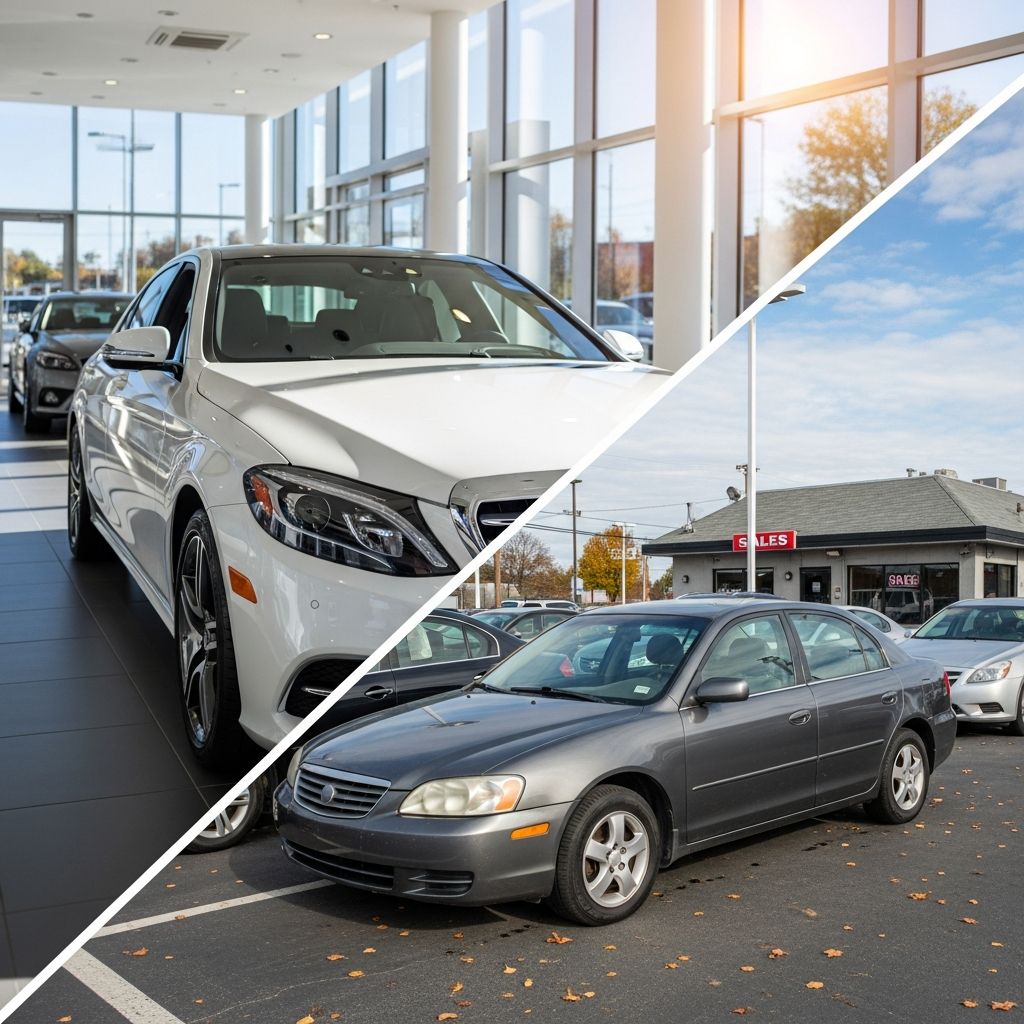
Deciding between a new or used car involves more than just the sticker price. Total ownership costs—including depreciation, financing, insurance, maintenance, and fuel efficiency—determine the better financial choice. Recent market trends show narrowing price gaps, making thorough analysis essential.
Initial Purchase Prices in Today’s Market
New cars carry higher upfront costs due to advanced features and manufacturing premiums. Average new vehicle prices recently hit record highs around $48,000, driven by technology and safety innovations. Used cars, however, offer substantial savings, with prices often 30-50% lower depending on age and mileage. Market volatility, including post-pandemic supply shortages, has elevated used car values, reducing the traditional bargain gap.
For budget-conscious buyers like students or families, used options provide accessible entry points without sacrificing reliability if vetted properly. Yet, newer used models (1-3 years old) now rival new car prices in some segments, prompting shoppers to weigh long-term value.
Depreciation: The Hidden Value Killer
**Depreciation** hits new cars hardest, often losing 20% of value in the first year and up to 60% after five years. Used cars have already absorbed this initial drop, stabilizing their resale value. For example, a $48,000 new car might depreciate to $38,400 after year one, while a comparable three-year-old model starts at a lower base and declines more gradually.
| Year | New Car Value (Starting $48,000) | Used Car Value (Starting $30,000) |
|---|---|---|
| Year 1 | $38,400 (20% loss) | $27,000 (10% loss) |
| Year 3 | $29,000 (~40% total loss) | $24,300 (~19% total loss) |
| Year 5 | $19,200 (~60% total loss) | $20,700 (~31% total loss) |
Assumptions based on average rates: 20% first-year for new, 10% annual thereafter for both. Longer ownership spreads this impact, favoring used cars for quick flippers but new for decade-long keepers.
Financing Costs and Loan Realities
New car loans typically secure lower interest rates (around 4-6%) compared to used (6-10%), reflecting lender risk perceptions. However, smaller used car loan principals often result in comparable or lower monthly payments. A $48,000 new car at 5% over 60 months yields ~$900/month, versus $30,000 used at 7.5% at ~$600/month.
- Interest savings: Used cars minimize total interest despite higher rates due to reduced principal.
- Term flexibility: Shorter terms on used loans cut long-term costs.
- Credit impact: Both affect scores similarly, but new cars may offer promotional zero-percent financing.
Calculators from financial tools confirm used options edge out for short-term ownership under 5 years.
Insurance Premiums: Newer Means Pricier
Insurance for new cars runs higher due to elevated replacement values and repair costs for advanced tech like adaptive cruise control. Expect 20-30% more annually on a new model versus used. Safety features can offset this somewhat by lowering risk profiles, but comprehensive coverage on high-value vehicles inflates premiums.
Used cars benefit from ‘as-is’ policies with lower bases, ideal for low-mileage drivers. Shoppers should input vehicle specifics into quote tools for personalized rates.
Maintenance, Repairs, and Operating Expenses
New cars shine in reliability, with manufacturer warranties covering 3-5 years/36,000-60,000 miles, minimizing early repairs. Operating costs like fuel efficiency improve with modern engines, potentially saving $500+ yearly over older used models.
Used cars demand higher upkeep post-warranty, with risks of unexpected breakdowns. Certified Pre-Owned (CPO) programs extend coverage, bridging the gap. Fuel-thirsty older engines add to expenses, though hybrids/EVs hold value better across both categories.
| Cost Category | New Car (5 Years) | Used Car (5 Years) |
|---|---|---|
| Maintenance/Repairs | $2,500 (warranty heavy) | $5,000+ |
| Fuel (15,000 mi/yr) | $8,000 | $9,500 |
| Total Operating | $10,500 | $14,500 |
Estimates derived from ownership calculators; varies by model.
Total Cost of Ownership Over Time
Holistic calculators reveal used cars often win for 3-7 year horizons, with average annual costs $1,000+ lower. New cars pull ahead beyond 10 years via durability and efficiency. Post-pandemic data shows used prices peaked, but 2025 trends suggest stabilization favoring certified used buys.
- Short-term (1-3 years): Used saves on depreciation.
- Medium-term (4-7 years): Used still leads unless low-interest new financing.
- Long-term (8+ years): New’s reliability evens costs.
Pros and Cons: Strategic Decision Framework
New Car Advantages
- Full warranty and roadside assistance.
- Latest safety tech (e.g., lane-keeping, blind-spot monitoring).
- Customizable options and better financing.
- Higher resale if traded early.
New Car Drawbacks
- Steep depreciation hit.
- Higher insurance and registration fees.
- Larger loan commitments.
Used Car Advantages
- Lower entry price and payments.
- Minimal remaining depreciation.
- Abundant choices in low-mileage models.
Used Car Drawbacks
- Higher interest rates and repair risks.
- Potential hidden issues without inspection.
- Fewer modern features.
Market Influences and Timing Tips
Supply chain disruptions reduced used inventory, inflating prices to near-new levels for recent models. Incentives like 0% APR on new cars can tip scales. Monitor indices like Manheim for dips (e.g., 4% drop noted recently). Buy used in spring/summer when new models arrive, flooding markets.
Frequently Asked Questions (FAQs)
Is a used car always cheaper overall?
Not always—factor in your ownership timeline. Used wins short-term; new for longevity.
How much does a new car depreciate in year one?
Typically 20%, varying by make/model.
Are new car loans cheaper?
Lower rates yes, but higher principals balance it out.
Should I buy certified pre-owned?
Yes, for warranty extension and inspections, blending best of both worlds.
What about electric vehicles?
New EVs depreciate faster due to tech evolution; used offers battery warranty savings.
Steps to Make the Right Choice
- Define budget and timeline.
- Use online calculators for scenarios.
- Test drive and inspect (pre-purchase for used).
- Compare insurance quotes.
- Check Kelley Blue Book values.
Ultimately, align with driving needs—daily commuter favors efficient used; family hauler merits new safety suite.
References
- New car vs. used car | Recent price trend study finds … — CBS News. 2023. https://www.cbsnews.com/pittsburgh/news/car-buying-tips-new-and-used-prices/
- New vs. Used Car Calculator – What Is the Cost of Ownership — State Farm. 2024. https://www.statefarm.com/simple-insights/auto-and-vehicles/new-vs-used-car-calculate-cost-of-ownership
- Compare the costs of a new vs. a used vehicle — myFICO. 2024. https://www.myfico.com/credit-education/financial-calculators/new-vs-used-vehicle-cost
- New Car Perks vs. Used Car Prices: Which is the Wiser Choice? — Kelly Hyundai of Hamburg. 2024-06. https://kellyhyundaiofhamburg.com/blog/new-car-perks-vs-used-car-prices-which-is-the-wiser-choice
- New vs. Used Car Prices — Crossroads Ford Waynesville. 2024. https://www.crossroadsfordwaynesville.com/blogs/5924/new-vs-used-car-prices
- New vs Used Car Calculator: Which Should I Buy? — Allstate. 2024. https://www.allstate.com/resources/car-insurance/buy-new-or-used-car-calculator
Similar Articles








Read full bio of Sneha Tete