New vs Used Cars: 2026 Buyer’s Guide
Discover which car choice suits your budget, lifestyle, and driving needs in the evolving 2026 market—new or used?
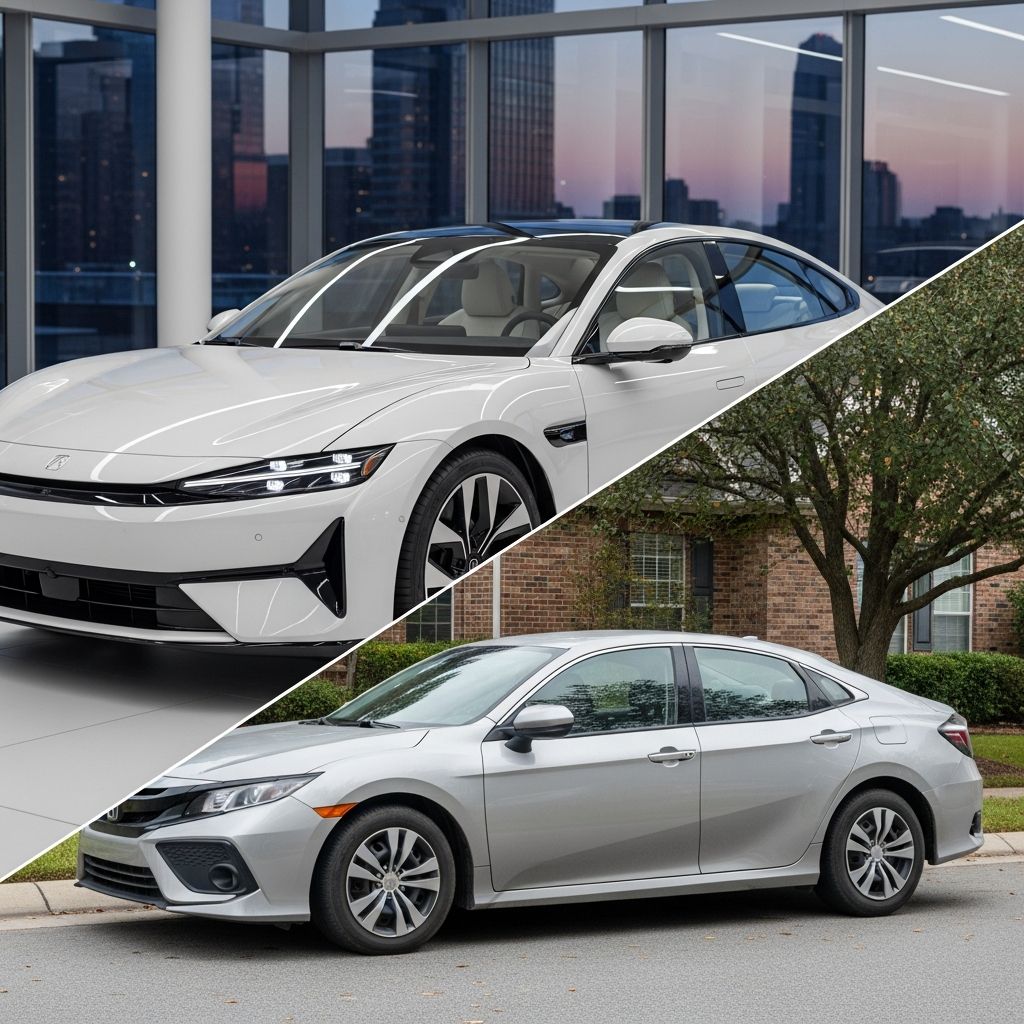
In 2026, choosing between a new or used car involves balancing upfront costs, long-term value, advanced features, and reliability. With rising new car prices and high-quality used options available, buyers have more strategic choices than ever. This guide breaks down key factors to help you decide based on your priorities, from technology desires to budget constraints.
Financial Considerations: Upfront and Long-Term Costs
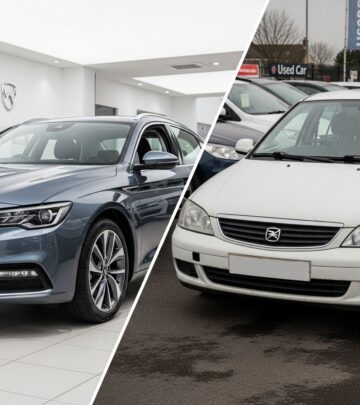
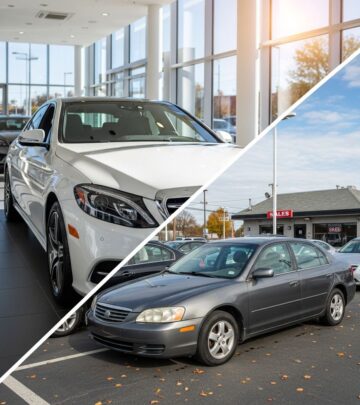
The initial purchase price remains the most visible difference. New vehicles in 2026 carry premium tags due to integrated advanced tech and electrification trends. Average listing prices for used cars hover around $25,000, significantly lower than new models, allowing buyers to access higher-spec vehicles within the same budget.
Depreciation hits new cars hardest in the first 1-2 years, often losing 20-30% of value immediately. Used cars have already absorbed this hit, stabilizing resale value for future trades. Insurance and registration fees also trend lower for used models, especially in regions like the Chicagoland area.
| Cost Factor | New Cars | Used Cars |
|---|---|---|
| Upfront Price | Higher (avg. $35K+) | Lower (avg. $25K) |
| Depreciation (Year 1) | 20-30% loss | Minimal additional loss |
| Insurance Premiums | Higher | Lower |
| Financing Rates | Potentially better terms | Higher rates possible |
Technology and Innovation: Cutting-Edge vs Proven Features
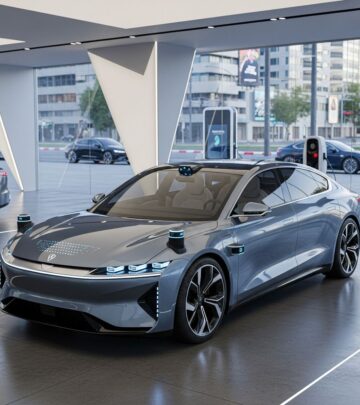
New cars dominate with 2026 innovations like expanded hands-free driving systems (e.g., Super Cruise on GMC Sierra 1500) and Vehicle-to-Home (V2H) power backup for emergencies. Ultrawide displays, premium safety suites, and hybrid/electric efficiencies are standard.
However, used cars from 2023-2025 models pack modern essentials: Apple CarPlay, Android Auto, adaptive cruise, reversing cameras, and digital dashboards. Tech advances so rapidly that 2-3-year-old vehicles feel current without the new-car premium.
- New Advantages: Latest autonomy, V2H, superior efficiency.
- Used Strengths: Core modern tech at reduced cost.
Warranties and Reliability: Protection Levels Compared
New cars offer full bumper-to-bumper and powertrain warranties, with some dealers providing lifetime powertrain coverage for original owners—far exceeding standard 3-year/36,000-mile terms. This appeals to long-term keepers facing rising repair costs from complex electronics.
Used cars provide limited warranties, but Certified Pre-Owned (CPO) programs deliver multi-point inspections and extended factory-backed coverage, bridging the gap to ‘near-new’ reliability. Maintenance starts near-zero for new but varies by used mileage and history.
Maintenance, Fuel Efficiency, and Ownership Expenses
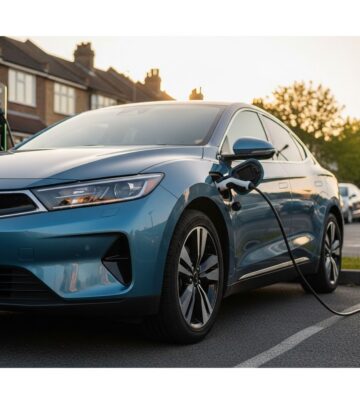
New vehicles minimize early maintenance, often including initial services, and boast optimized fuel economy from hybrid/EV tech—crucial for commuters on busy highways. The aftermarket sector, valued at $468.91 billion in 2024 and growing, supports used car upkeep but highlights potential long-term expenses.
Used cars offer predictable servicing for proven models, with lower insurance groups and efficient nearly-new hybrids/EVs. In harsh winters, AWD/4WD used SUVs like GMC Acadia excel with CPO protection.
Market Dynamics and Timing for 2026 Purchases
Used car sales remain strong into 2026, with March/April a solid window as new prices rise and tariffs boost demand for alternatives. Average used prices are stable, up slightly year-over-year. Post-pandemic caution favors used for savings, while new attracts with tech and warranties.
Buyers prioritize personal fit: sprawling commutes favor new efficiency, families seek warranty peace, budget shoppers opt for used value.
Who Should Buy New vs Used in 2026?
Choose New If:
- You crave the latest tech and safety (e.g., hands-free highway driving).
- Long-term ownership with robust warranties is key.
- Customization and zero-mile history matter.
Choose Used If:
- Maximizing value and minimizing depreciation is priority.
- You want premium features without new-car premiums.
- CPO programs provide sufficient reliability.
Frequently Asked Questions
Is March/April 2026 a good time to buy used?
Yes, with stable used prices and rising new car costs making alternatives attractive, despite potential financing rate waits.
Do used cars still have modern technology?
Absolutely—recent used models include CarPlay, adaptive cruise, and safety systems that feel up-to-date.
What warranties come with new cars?
Standard bumper-to-bumper (3yr/36k miles), powertrain (5yr/60k), plus lifetime options from some dealers.
Are CPO used cars worth it?
Yes, they offer inspections, extended warranties, and near-new confidence at used prices.
How does depreciation affect my choice?
New cars depreciate fastest initially; used avoids this, better for short-term ownership plans.
Align your decision with lifestyle: tech enthusiasts and long-haul drivers lean new, value seekers go used. Research models, inspect histories, and test drive to confirm fit.
References
- The 2026 Guide: New vs. Used Cars in Matteson, IL — Arnie Bauer. 2026. https://www.arniebauer.com/blogs/7904/the-2026-guide-new-vs-used-cars-in-matteson-il
- Car Buying: Used vs New in 2026 — Motor Match Blog. 2026. https://www.motormatch.com/blog/used-vs-new-cars-in-2026/
- Why Buyers Choose New vs Used Cars Differently in 2026 — Jupiter Chevrolet. 2026. https://www.jupiterchev.com/blogs/6872/why-buyers-choose-new-vs-used-cars-differently-in-2026
- Should You Buy a Used Car in March/April 2026? — Autotrader. 2026-03. https://www.autotrader.com/car-shopping/should-you-buy-used-car
Similar Articles








Read full bio of medha deb