New Vs Used Car: Smart Buying Guide For Savvy Buyers
Discover expert strategies to decide between new and used cars, with checklists, cost breakdowns, and tips for confident purchasing.
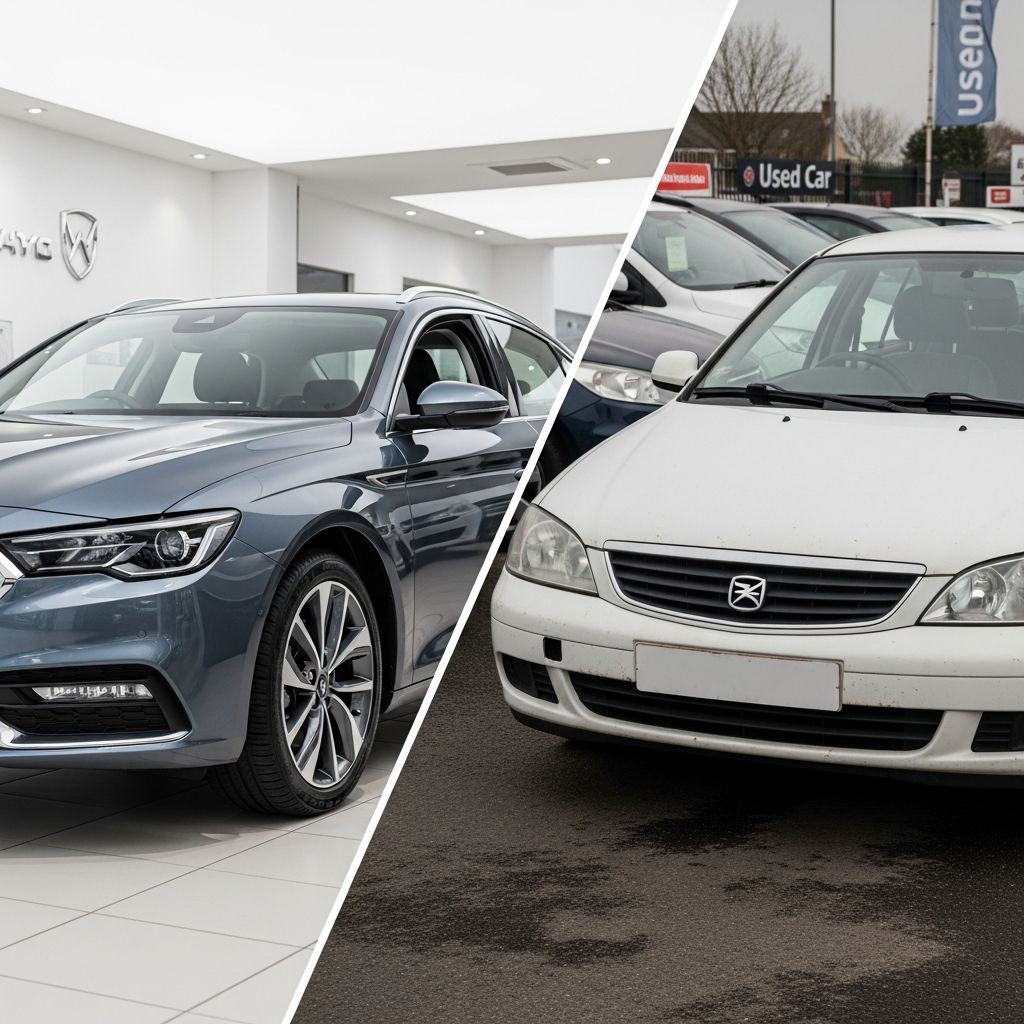
Choosing between a new or used car involves balancing upfront costs, long-term reliability, and personal needs. This guide provides actionable steps, checklists, and comparisons to help you make a financially sound decision backed by research and expert checklists.
Understanding Your Needs and Budget
Start by evaluating your driving habits, budget constraints, and priorities. Daily commuters may prioritize fuel efficiency, while families need space and safety features. Calculate total ownership costs including purchase price, insurance, maintenance, and fuel.
- Assess usage: Annual miles driven, terrain, and passenger capacity.
- Set budget: Aim for payments under 15% of monthly income; factor in 10-20% down payment.
- Prioritize features: Safety tech, towing capacity, or tech integrations like infotainment.
Tools like reliability ratings from J.D. Power help identify dependable models before shopping.
Pros and Cons: New Cars vs Used Cars
| Aspect | New Cars | Used Cars |
|---|---|---|
| Cost | Higher upfront (avg $48,000), but incentives available | Lower (20-50% less), better value retention post-depreciation |
| Warranty | Full manufacturer coverage (3-5 years) | Limited or certified pre-owned (CPO) options |
| Reliability | Latest tech, no prior wear | Depends on history; risks hidden issues |
| Customization | Build to spec, latest safety features | Limited; may need add-ons |
| Depreciation | Steep first-year loss (20-30%) | Already absorbed by first owner |
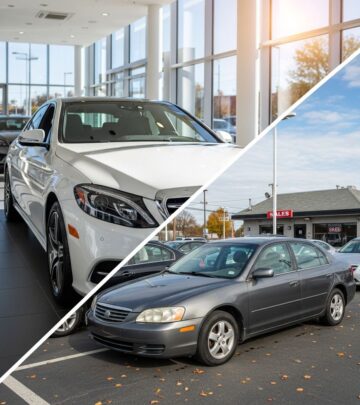
New cars offer peace of mind with warranties, while used provide affordability if inspected properly.
Research Phase: Finding the Right Vehicle
Conduct thorough pre-shopping research to narrow options. Review trim levels, safety ratings from IIHS, and model-specific issues.
- Check reliability data and recalls.
- Use market tools for fair pricing.
- Compare fuel efficiency and maintenance costs.
For used cars, prioritize vehicles from non-flood zones and verify service history.
New Car Buying Checklist
Buying new simplifies some steps but requires negotiation savvy.
- Research models: Comfort, safety, tech specs online.
- Test drive multiple: Prioritize towing or racks if needed.
- Crunch numbers: Down payment, monthly payments, insurance, fuel.
- Secure prequalification: Bring proof of income, license, insurance for test drives.
- Review docs: Loan terms, warranty details before signing.
Post-purchase: Activate Bluetooth, adjust safety settings, schedule first maintenance.
Used Car Buying Checklist
Used cars demand rigorous checks to avoid lemons. Follow this step-by-step process.
Pre-Shopping Research
- Reliability ratings (J.D. Power, Consumer Reports).
- Vehicle history report for accidents, owners, service gaps.
- Market value check.
Exterior and Initial Evaluation
- Panel alignment, rust in wells/frames, tire wear.
- Paint mismatches, flood signs (musty odor).
- VIN match on title.
Mechanical and Interior Inspection
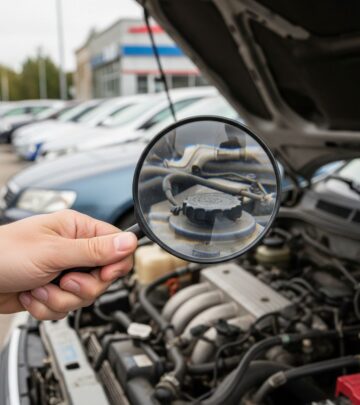
| System | Checks |
|---|---|
| Engine | Cold start noise/smoke, oil level/color, coolant, leaks. |
| Transmission/Brakes | Smooth shifts, straight stopping, no grinding. |
| Electrical/Interior | Lights, A/C, seats, headliner, electronics. |
| Underbody | Rust, suspension, frame damage. |
Test Drive Essentials
- Acceleration, braking at speeds, handling.
- Warning lights, gauges, all accessories.
Always get a mechanic’s inspection ($100-200 saves thousands).
Financing Your Purchase
Whether new or used, secure pre-approval to strengthen negotiations. Compare rates from banks, credit unions, dealers.
- New: 0% deals possible, but check total cost.
- Used: Higher rates; CPO often qualifies for better terms.
- Include taxes, fees in budget.
Review loan agreements for terms, autopay setup. Ask about service contracts within 90 days.
Post-Purchase Essentials
After driving off, protect your investment.
- Paperwork: Title, registration, insurance proof, bill of sale.
- Setup: Infotainment, safety features, owner’s manual review.
- Protection: Maintenance schedule, anti-theft (GPS, locks), extended warranty.
Frequently Asked Questions
What paperwork is needed for a car purchase?
Title signed by seller, bill of sale, registration, insurance, emissions if required. Verify VIN matches.
How do I check for flood or accident damage?
Look for rust, odors, panel gaps, service gaps. Run history report; mechanic confirms.
Should I buy certified pre-owned?
Yes for warranties and inspections on used cars, bridging new/used gap.
What’s better: new or used?
New for warranty/tech; used for savings if vetted thoroughly.
How to negotiate price?
Know market value, get pre-approved, walk if needed.
Final Tips for Success
Avoid rushing; test multiple vehicles. Budget for unexpected repairs on used (10% of price annually). New buyers leverage incentives. Both paths lead to success with preparation.
References
- New Car Checklist: Your Complete Guide to Getting Road-Ready — Marine Credit Union. 2024. https://www.marinecu.com/learning-hub/new-car-checklist/
- Car-Buying Checklist: What You Need to Know — GMC. 2024. https://www.gmc.com/gmc-life/car-buying-checklist
- The Comprehensive Used Car Buying Checklist — Nissan South Morrow. 2024. https://www.nissansouthmorrow.com/the-comprehensive-used-car-buying-checklist-what-you-need-to-know/
- How to Inspect a Used Car Checklist — Chris-Fix. 2024. https://www.chris-fix.com/upload/How%20to%20Inspect%20a%20Used%20Car%20Checklist%20%20FULL.pdf
- Car Buying Checklist — Arizona Department of Transportation (.gov). 2024. https://apps.azdot.gov/files/mvd/mvd-forms-lib/46-8504.pdf
- Buyers Guide — Federal Trade Commission (.gov). 2024. https://www.ftc.gov/system/files/documents/plain-language/cfr_buyers_guides_english.pdf
Similar Articles








Read full bio of medha deb