New vs Used: 8 Things You’re Better Off Buying Secondhand
Discover 8 smart categories where buying secondhand saves money without sacrificing quality, from cars to entertainment.
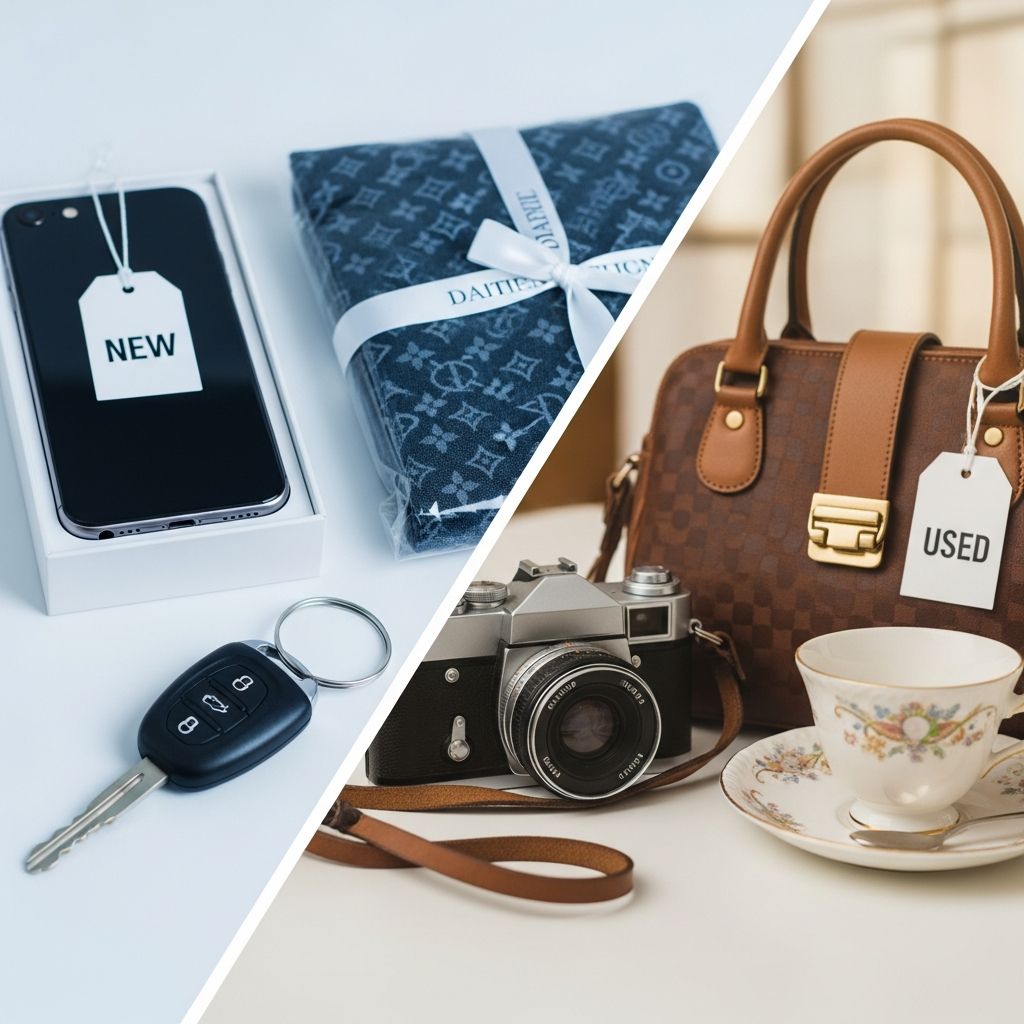
If you’re looking to stretch your budget further in today’s economy, opting for secondhand purchases can deliver substantial savings without compromising on quality. New items often depreciate rapidly, making used alternatives a financially savvy choice for many categories. By shopping smart at thrift stores, online marketplaces, and sales, you can find like-new condition items at fractions of the original price. This approach not only trims expenses but also promotes sustainability by reducing waste. Below, we dive into eight key categories where buying used makes the most sense, backed by practical tips and real-world considerations.
Cars
Nothing beats the thrill of a new car’s scent, but that excitement comes with a hefty price tag due to rapid depreciation. A new vehicle loses approximately
20% of its value
in the first year alone, and up to60% after five years
. This steep drop means buyers of used cars, especially those a few years old, avoid the biggest hit while still getting reliable transportation.To maximize value, target well-maintained models known for longevity, such as those from Toyota or Honda, which hold resale value better. Check vehicle history reports via services like Carfax, inspect for maintenance records, and consider certified pre-owned (CPO) options from dealers, which often include warranties. Insurance premiums are typically lower for used cars, adding to long-term savings. While market fluctuations can make new cars appealing in some cases—like when used prices inflate due to demand—historical data favors used for most buyers.
- Where to shop: Dealerships for CPO, Craigslist, Facebook Marketplace, Autotrader.
- Pro tip: Test drive extensively and get a pre-purchase inspection from a trusted mechanic.
- Savings potential: 30-50% off new MSRP for 2-3 year-old models.
Books
Despite the rise of e-books, physical books retain a loyal following for their tactile appeal. Buying used books offers endless bargains through thrift stores, yard sales, flea markets, and online platforms. Students can slash textbook costs by up to
80%
using sites like Chegg, Half.com (now part of eBay), Amazon, or eBay.Rare finds, out-of-print editions, and bestsellers abound at pennies on the dollar. Libraries often sell withdrawn books for nominal fees, and apps like BookScouter help compare buyback prices. For collectors, condition grading (e.g., ‘very good’ vs. ‘fine’) ensures quality. This category exemplifies low-risk secondhand buying—books don’t wear out like electronics and pose no safety issues.
- Best sources: Goodwill, library sales, AbeBooks, local bookshops’ used sections.
- Inspection checklist: No torn pages, water damage, or heavy annotations.
- Bonus: Supports literacy programs via donation-based shops.
Furniture
Revamping your home doesn’t require breaking the bank; secondhand furniture from consignment shops, thrift stores, and moving sales provides stylish, sturdy pieces at low costs. Online havens like Craigslist, Facebook Marketplace, and Freecycle yield gems, often free or deeply discounted.
Inspect thoroughly for stains, tears, mildew, structural issues, or pests. A $50 sofa deal turns sour if hidden damage necessitates replacement. Refinishing or reupholstering can breathe new life into finds, with costs far below new retail. Solid wood antiques appreciate over time, turning thrift scores into investments. Calculate total cost including any repairs to ensure value.
| Item | New Price Range | Used Price Range | Savings % |
|---|---|---|---|
| Sofa | $800-$2,000 | $100-$500 | 60-80% |
| Dining Table | $400-$1,200 | $50-$300 | 70-85% |
| Bookshelf | $150-$500 | $20-$150 | 65-75% |
Tools
Home DIY projects demand tools, but splurging on premium new sets is unwise unless you’re a professional. Pawn shops, estate sales, yard sales, Craigslist, and Amazon’s used section offer high-quality used tools at a fraction of the price. Cordless drills, saws, and ladders retain functionality well if maintained.
Prioritize brands like DeWalt or Milwaukee for durability. Test batteries, blades, and motors on-site. Pawn shops often allow haggling, and estate sales feature late owners’ pristine collections. Savings fund future projects, and tools depreciate minimally with proper storage.
- Safety note: Check for frayed cords or missing guards.
- Where to buy: Harbor Freight used bins, tool swap meets.
- Average savings: 50-70% off retail.
Baby Gear
Babies outgrow gear swiftly, making secondhand a prime choice—except for safety-critical items. Strollers, high chairs, playpens, and clothing from consignment stores or apps like OfferUp save hundreds, as kids use them briefly.
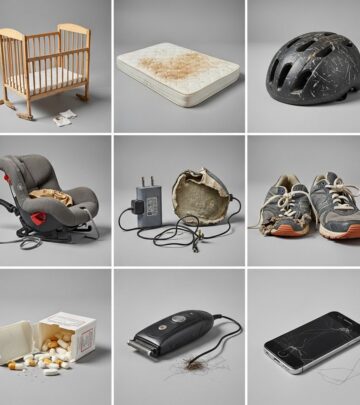
Never buy used: Car seats (crash damage invisible), cribs (recall risks, loose slats), or safety gates. Verify standards like JPMA certification on others. Wash fabrics thoroughly. Platforms like Facebook’s Buy Nothing groups offer freebies.
- Top picks for used: Swings, bouncers, toys (sanitize well).
- Savings: Up to 90% on non-safety items.
- Tip: Apps track recalls via CPSC.gov.
Exercise Equipment
Home workouts rival gym results affordably with used treadmills, bikes, or weights. Skip $400+ new purchases; scour Craigslist, gym closeouts, or apps for barely used machines gathering dust.
Buy from motivated sellers quitting routines. Test functionality, check warranties (some transfer), and factor delivery. Mats and dumbbells rarely need replacing. No guilt if motivation wanes—resell easily.
| Equipment | New Cost | Used Cost | Condition Tip |
|---|---|---|---|
| Treadmill | $500-$2,000 | $200-$800 | Lubricate belt |
| Elliptical | $400-$1,500 | $150-$600 | Check pedals |
| Weights | $100-$500 | $30-$200 | Inspect rust |
Video Games and DVDs
Gamers and cinephiles build libraries economically via GameStop trade-ins, eBay, Amazon used, or Disc Replay. Complete collections without thousands spent on new releases.
Verify disc condition (scratches cause skips), case integrity, and manuals. Digital alternatives exist, but physical media holds collectible value. Retro games appreciate, turning buys into assets. Bundles amplify savings.
- Platforms: Decluttr for quick sales, Retro game stores.
- Check: Region codes for DVDs, console compatibility.
- Savings: 40-90% off new.
Frequently Asked Questions (FAQs)
Q: Is buying used cars always cheaper long-term?
A: Generally yes due to depreciation, but compare total ownership costs including interest rates—used often wins with lower insurance too.
Q: What safety checks for baby gear?
A: Avoid used car seats/cribs; for others, confirm no recalls and clean thoroughly per CPSC guidelines.
Q: How to spot furniture scams online?
A: Insist on in-person inspection, use secure payments, meet publicly.
Q: Do tool warranties transfer?
A: Many lifetime ones do—check manufacturer sites like DeWalt.
Q: Best apps for all used buys?
A: Facebook Marketplace, OfferUp, Craigslist for local; eBay/Amazon for shipped.
Q: Environmental benefits of buying used?
A: Reduces landfill waste, skips packaging—up to 80% cheaper and greener.
Buying secondhand demands diligence—evaluate condition, compare prices, assess repair costs. Risks like defects exist, but rewards in savings and sustainability outweigh for these eight items. Start small, build confidence, and watch your budget thrive.
References
- New vs Used: 8 Things You’re Better Off Buying Secondhand — SmartAsset. 2023-09-07. https://smartasset.com/personal-finance/new-vs-used-8-things-youre-better-off-buying-secondhand
- New vs Used Cars — SmartAsset. 2022. https://smartasset.com/auto/new-vs-used-cars
- What You Need to Know About Buying Used Items — Consumers Credit Union. 2024. https://www.consumerscu.org/blog/what-you-need-to-know-about-buying-used-items
- New Car Depreciation Data — U.S. Department of Energy, Alternative Fuels Data Center (via iSeeCars analysis). 2025-01. https://www.energy.gov/eere/vehicles/articles/iseecars-study-new-car-depreciation-rates
- Consumer Product Safety Guidelines for Baby Products — U.S. Consumer Product Safety Commission. 2025-06-15. https://www.cpsc.gov/s3fs-public/used-baby-products.pdf
Similar Articles








Read full bio of medha deb