New Study: Spend Less on Kids’ Sports, Get Better Results
Research reveals that cutting back on youth sports spending can improve kids' performance, enjoyment, and long-term success while saving families thousands.
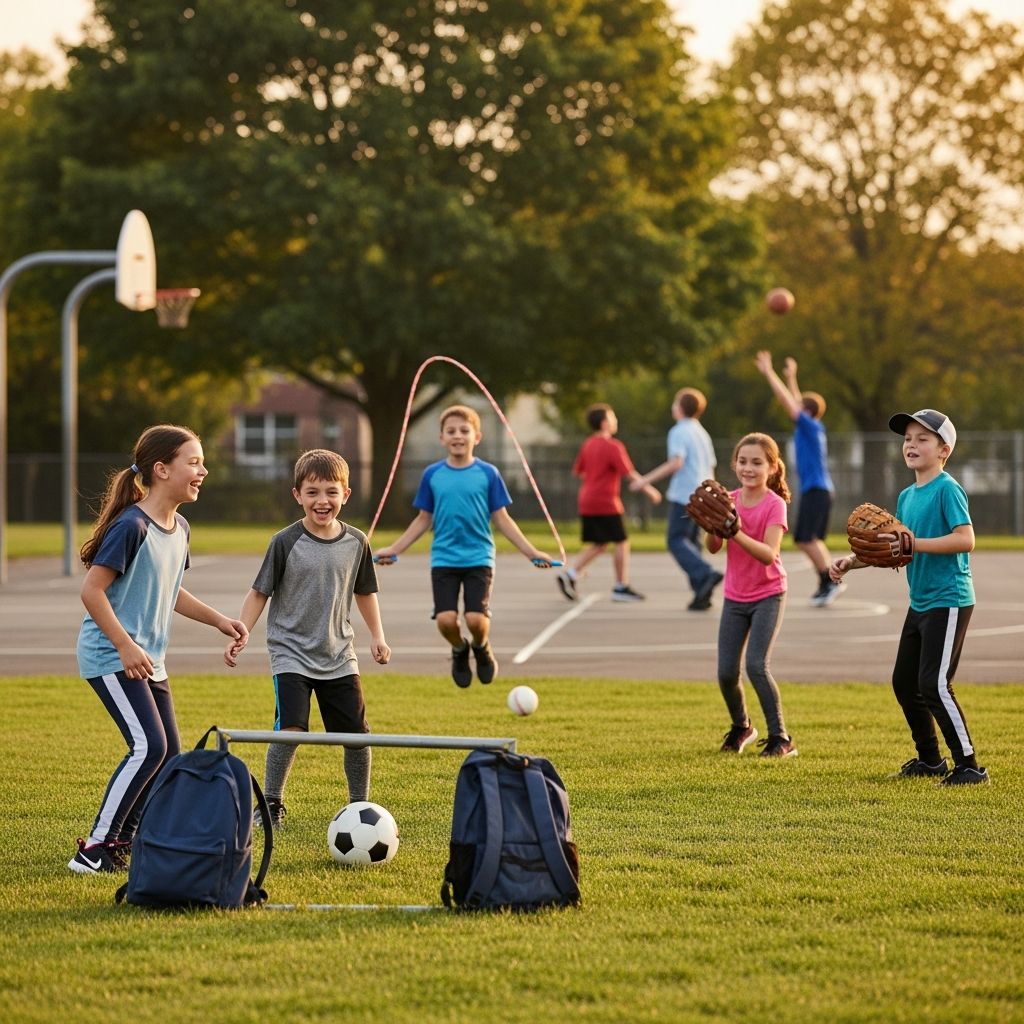
Parents pour billions into youth sports each year, but a new Utah State University study reveals a counterintuitive truth: spending less can make kids better athletes, happier, and more likely to stick with sports long-term. With average family spending surging 46% to $1,016 per child in 2024—twice the rate of general inflation—this research arrives at a critical moment.
The $54 billion youth sports industry has rebounded post-COVID, with participation hitting a record 55.4% in 2023 and 65% of kids trying sports in 2024. Yet, skyrocketing costs for travel teams, private coaching, and equipment are pricing out low-income families, widening the participation gap to 20.2 percentage points between high- and low-income households. This article breaks down the study’s findings, the cost crisis, and practical ways to spend less while maximizing benefits.
The Shocking Rise in Youth Sports Costs
Youth sports spending has exploded. U.S. families now shell out around $40 billion annually, projected to exceed $75 billion by 2026, representing over 7% of household budgets for participating families. The Aspen Institute’s State of Play 2025 report pinpoints the average cost at $1,016 for a child’s primary sport in 2024—a 46% jump since 2019.
Breaking it down:
- Club/team fees: Often $1,200–$6,000 per year for elite travel teams.
- Travel and tournaments: Non-local competitions drive gas, lodging, and food expenses.
- Private lessons and camps: Adding hundreds monthly for ‘edge’ training.
- Equipment and uniforms: Baseball tops costs among popular sports, exceeding soccer and basketball.
Soccer averages $1,188, basketball $1,002, baseball $714, and tackle football $581 per child. Some families report $5,000–$25,000 yearly, with tryout fees alone hitting $50. Kids feel the pressure: surveys show many dislike sports most because they’re “too expensive,” fearing parental disappointment if they underperform.
| Sport | Average Annual Cost | Key Expenses |
|---|---|---|
| Soccer | $1,188 | Club fees, travel, cleats |
| Basketball | $1,002 | Leagues, trainers, shoes |
| Baseball | $714 | Equipment, tournaments |
| Tackle Football | $581 | Gear, camps |
The Participation Crisis: Who Gets Left Behind?
While overall participation recovered to pre-COVID highs, equity is crumbling. In 2024, the gap between low-income (<$25K) and high-income (≥$100K) households widened to 20.2 points—up from 13.6 in 2012. Low-income kids play at half the rate of affluent peers and are twice less likely to join travel teams.
Costs are the top barrier: families earning <$50K cite expense as the primary reason kids drop out. Wealthier kids dominate travel, camps, and private training, gaining advantages in college scouting. Only 14 states hit the federal 63% participation target, with Nevada at a low 43%. Flag football bucks the trend, growing 14% while baseball fell 19% and soccer dipped 3%.
Why Less Spending Leads to Better Athletes: The Study’s Key Findings
The Utah State University study challenges the ‘more is better’ mindset dominating youth sports. Researchers found that kids in high-cost, elite programs experience more burnout, injuries, and dropout, while those in affordable, low-pressure settings develop superior skills, enjoyment, and retention.
Core insights:
- Deliberate play over structured training: Free play builds creativity and fundamentals better than paid coaching.
- Multi-sport participation: Specialization young increases injury risk; variety fosters well-rounded athletes.
- Less travel, more local fun: Community leagues keep costs low and enjoyment high.
- Quality time trumps quantity: Parents’ involvement matters more than expensive gear.
Post-pandemic, casual ‘try-it’ participation surged to 65%, proving informal options work. Tom Farrey of the Aspen Institute notes: “We need leadership to prioritize all children as money flows in”.
10 Proven Ways to Spend Less on Kids’ Sports
Implement these strategies to slash costs by 50% or more while enhancing performance.
- Choose community leagues over travel teams: Local rec programs cost $100–$300/season vs. $2,000+ for elite clubs. Same skill-building, more fun.
- Embrace free play: Parks, schoolyards, and pickup games build fundamentals without fees. Studies show unstructured play outperforms drills.
- Multi-sport your kid: Rotate soccer, basketball, flag football seasonally to prevent burnout and injury. Flag football’s 14% growth proves accessibility wins.
- Buy used gear: Facebook Marketplace, apps like OfferUp save 70% on equipment. Host swaps with other families.
- Skip private coaching initially: Volunteers and group clinics suffice for beginners. Delay until true passion emerges.
- Carpool and volunteer: Share rides to cut gas; coach to waive fees—many leagues offer discounts.
- Seek scholarships and aid: Non-profits like iPlay or local foundations cover fees for low-income families.
- Opt for school sports: Often free or low-cost ($50–$200), with built-in peers and facilities.
- Limit tournaments: One per season max; focus on practices for skill depth over travel spectacle.
- Track and budget: Use apps to monitor spending; aim under $500/year per child.
Real Families Saving Big: Success Stories
Take the Johnsons: Switched from $4,000/year travel soccer to free park play and school team—son’s skills improved, stress vanished. Or the Garcias, who multi-sported their kids via community leagues, saving $2,500 annually while closing the ‘scouting gap’ through balanced development. These align with data: kids playing more hours in affordable settings log higher long-term participation.
Closing the Equity Gap: Policy and Community Solutions
Beyond personal tips, systemic change is needed. Advocate for:
- Public funding for rec programs to hit 63% national participation.
- Tax incentives for low-cost sports access.
- Club models prioritizing fun over profit.
Vermont’s 72% rate shows it’s possible with investment.
Frequently Asked Questions (FAQs)
Why have youth sports costs risen 46% since 2019?
Team fees, travel, camps, and private lessons surged twice as fast as inflation, per Aspen Institute data.
Can kids still get scouted without expensive travel teams?
Yes—scouts attend camps and high school games. Balanced, local play builds standout skills without $5K+ costs.
Is flag football a cheaper alternative?
Absolutely: Up 14% participation, lower gear costs, and less contact make it accessible.
How many sports should my child play?
2–3 seasonally to avoid specialization risks; variety boosts performance per Utah study.
What if costs are barring my child from playing?
Apply for scholarships, join free rec leagues, or start pickup groups—equity starts locally.
By spending smarter, families reclaim joy from sports, narrow gaps, and raise resilient athletes. Start with one tip today.
References
- Youth Sports Hits Record Participation, But 46% Cost Surge and Widening Income Gap Threaten Growth — Youth Sports Business Report / Aspen Institute State of Play 2025. 2025-01. https://youthsportsbusinessreport.com/youth-sports-hits-record-participation-but-46-cost-surge-and-widening-income-gap-threaten-growth/
- The Cost of Playing Youth Sports Isn’t What It Use To Be — KTRH / Aspen Institute survey. 2026-01-08. https://ktrh.iheart.com/alternate/amp/2026-01-08-the-cost-of-playing-youth-sports-isnt-what-it-use-to-be-up-46-percent/
- The Cost of AAU Youth Sports: Is Playing Sports Out of Reach? — RAIS Education / William Paterson University. 2025. https://rais.education/wp-content/uploads/0563.pdf
- New Study Says You Should Spend Less on Kids Sports. Here’s How. — Wise Bread. Undated. https://www.wisebread.com/new-study-says-you-should-spend-less-on-kids-sports-heres-how
- New Study Says You Should Spend Less on Kids Sports. Here’s How. (Node) — Wise Bread / Utah State University study. Undated. https://www.wisebread.com/node/1140311?quicktabs_2=0
Similar Articles








Read full bio of medha deb