New Postal Rates Are Coming: Stockpile Forever Stamps?
USPS shipping rates rise in 2026 while First-Class stamps stay flat—should you buy Forever stamps now to beat future hikes?
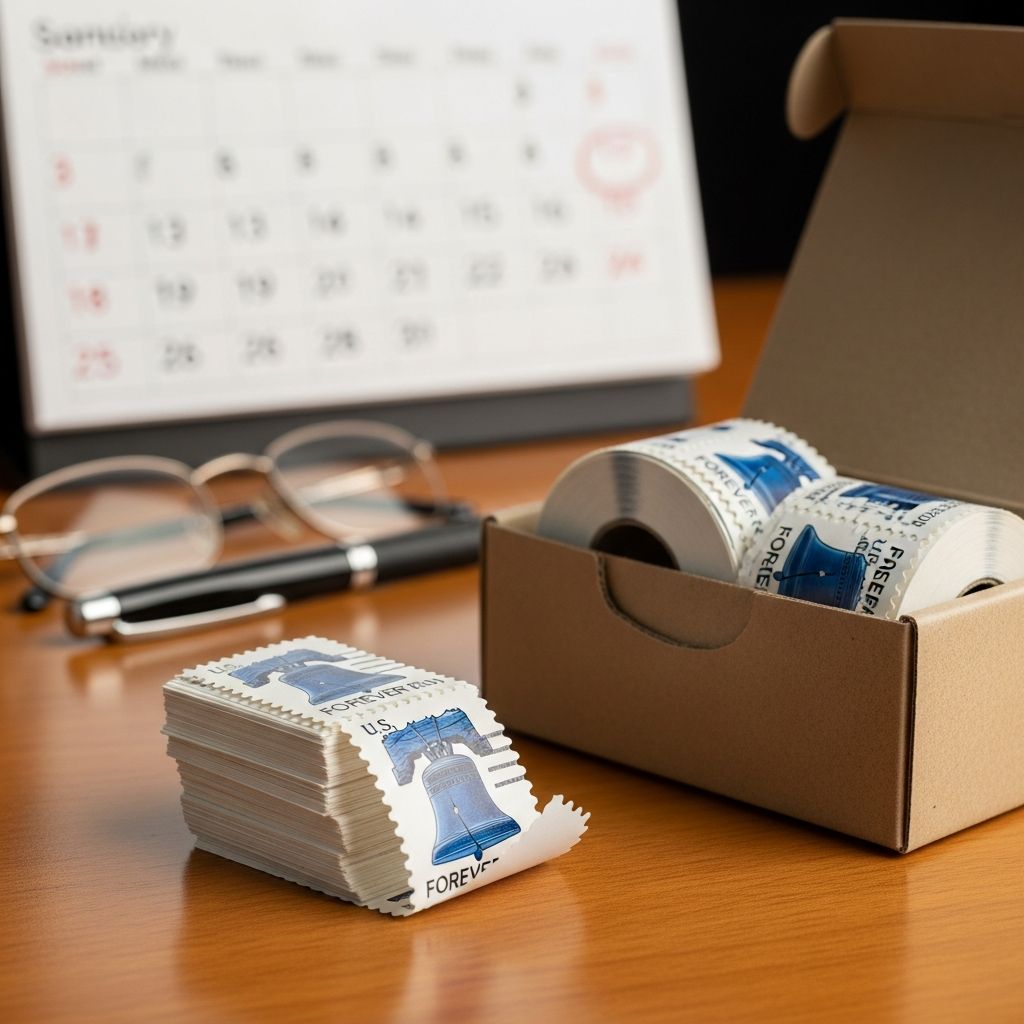
Every year, the United States Postal Service (USPS) adjusts its rates to keep pace with inflation, operational costs, and market competition. For 2026, significant changes are on the horizon, primarily affecting shipping services while leaving First-Class Mail Forever stamps untouched. This development has sparked debate: with rates rising elsewhere, is now the time to bulk-buy Forever stamps for future use? This article breaks down the latest USPS announcements, compares current and proposed rates, weighs the financial pros and cons of stockpiling, and offers practical advice for consumers and businesses alike.
What’s Changing in 2026?
The USPS filed notice with the Postal Regulatory Commission (PRC) for Shipping Services price changes effective January 18, 2026. These adjustments, approved by USPS governors, target competitive products like Priority Mail and Ground Advantage to boost revenue amid ongoing transformation efforts. Importantly, Mailing Services—including the price of a First-Class Mail Forever stamp—will not increase in January 2026.
Shipping Services Rate Increases
Shipping rates are rising across the board, with average hikes varying by service:
| Service | Average Increase |
|---|---|
| Priority Mail | ~6.6% |
| Priority Mail Express | ~5.1% |
| USPS Ground Advantage | ~7.8% |
| Parcel Select | ~6.0% |
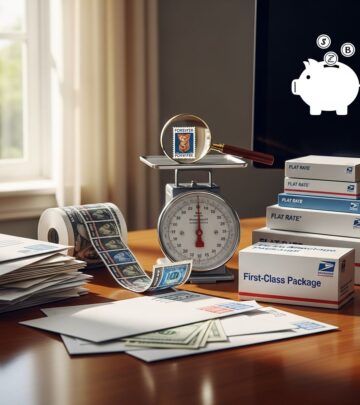
These changes reflect market-driven adjustments for package services, separate from CPI-tied Mailing Services. For example, Priority Mail Flat Rate Envelope jumps from $11.00 to $11.95 retail, while a 1lb Zone 1 package rises from $10.05 to $10.20. Ground Advantage sees similar zone- and weight-based escalations, like an 8oz Zone 1 parcel moving from $7.10 to $7.30.
Mailing Services Stay Flat
First-Class Mail, Certified Mail, and Marketing Mail rates remain unchanged for now. The Forever stamp—valid indefinitely at the First-Class single-piece rate—holds its value regardless of future hikes. This stability stems from USPS’s Delivering for America plan, prioritizing shipping revenue over mailing increases.
What Are Forever Stamps?
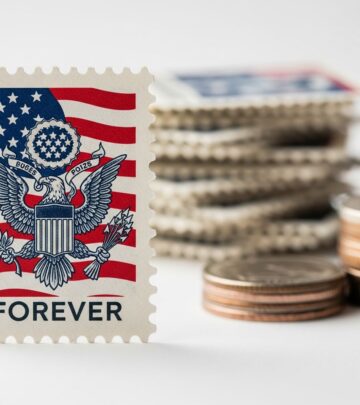
Introduced in 2007, Forever stamps are non-denominated postage for standard First-Class Mail letters (1 oz or less). They guarantee the current First-Class rate for life, shielding users from increases. As of July 2025, a single Forever stamp costs 78¢, up from 73¢—but no change hits January 2026.
- Key Benefits: No need to add makeup stamps for rate hikes; ideal for occasional mailers.
- Limitations: Only for letters/envelopes up to 1 oz; not valid for packages or international mail without additions.
- Historical Value: A 2007 Forever stamp bought for 41¢ now covers 78¢ postage—a 90%+ appreciation against inflation.
Over 18 years, 15 rate changes have boosted First-Class postage from 41¢ to 78¢, proving Forever stamps’ hedging power.
Should You Stockpile Forever Stamps Now?
With shipping rates climbing and Mailing Services stable short-term, stockpiling Forever stamps appeals for long-term savings. But is it worthwhile? Let’s analyze costs, risks, and scenarios.
Pros of Buying in Bulk
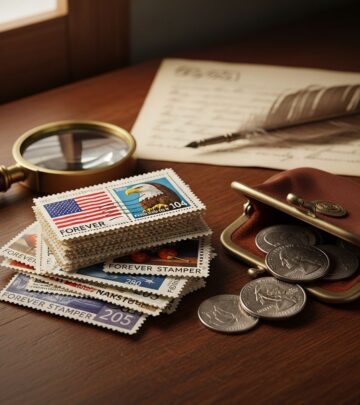
- Lock in Current Rates: Future hikes (likely, given history) make today’s 78¢ stamps a bargain. If rates rise 5¢ every 1-2 years, a 100-stamp book bought now could save $5+ per book long-term.
- Hedge Against Inflation: USPS CPI-linked increases average 4-7% biennially; Forever stamps preserve purchasing power.
- Low Storage Cost: Stamps don’t expire, require no special conditions (keep cool/dry), and are compact.
- Giftable/Transferable: Heirs or charities can use them indefinitely.
Cons and Risks
- Opportunity Cost: $78 tied up in 100 stamps earns no interest (vs. high-yield savings at 4-5%).
- Physical Risks: Loss, theft, fire, or damage destroys value—unlike digital alternatives.
- Short-Term Stability: No January 2026 hike means no immediate savings; next increase could be July 2026 or later.
- Volume Limits: USPS caps bulk purchases at post offices; online via USPS.com has daily limits.
Cost-Benefit Scenarios
| Scenario | Stamps Bought | Cost Now (78¢ ea) | Projected Value in 5 Years (if +25¢) | Net Gain |
|---|---|---|---|---|
| Occasional Mailer (10 letters/year) | 100 | $78 | $103 | $25 |
| Heavy User (50 letters/year) | 500 | $390 | $515 | $125 |
| Business (1,000/year) | 5,000 | $3,900 | $5,150 | $1,250 |
Assumptions: 5¢ annual hikes; conservative 25¢ total rise by 2031. Gains amplify for high-volume users.
Historical Rate Trends
First-Class stamps have risen steadily:
- 2007: 41¢
- 2011: 44¢
- 2013: 46¢
- 2016: 47¢
- 2018: 50¢
- 2021: 55¢
- 2022: 60¢
- 2023: 63¢ (+3¢)
- 2024: 68¢ (+5¢)
- 2025: 78¢ (+10¢, July)
Average annual increase: ~4.5%. Shipping services fluctuate more due to competition from UPS/FedEx.
Alternatives to Stockpiling
- Postage Meters/PC Postage: Services like Stamps.com or Pitney Bowes offer commercial discounts (up to 87% off retail) and auto-update rates—no physical stamps needed.
- Online Mailing: Platforms like Send Certified Mail handle printing/shipping digitally, beating retail for compliance mail unaffected by 2026 hikes.
- Buy as Needed: For low-volume users, purchase on-demand via USPS.com or apps.
- Promotions: Watch for stamp book discounts or holiday sales.
Practical Tips for Buying and Storing
If stockpiling:
- Buy books/rolls from USPS.com (cheaper than retail singles).
- Store in cool, dry places away from sunlight/humidity.
- Insure large quantities or use safe deposit boxes.
- Track via inventory app for usage.
For businesses: Negotiate commercial rates; they often exceed Forever stamp savings.
Frequently Asked Questions (FAQs)
Q: Will First-Class Mail rates increase in 2026?
A: No increases planned for January 2026, but future CPI-based hikes are likely later in the year or 2027.
Q: Are Forever stamps still a good investment?
A: Yes for high-volume letter mailers; savings compound over time despite opportunity costs.
Q: Can I use old Forever stamps?
A: Absolutely—any Forever stamp covers current First-Class rates indefinitely.
Q: What’s the best way to buy in bulk?
A: USPS.com coils/rolls; post offices for books. Avoid third-party markups.
Q: Do shipping rate hikes affect letters?
A: No—letters use Mailing Services, unchanged in Jan 2026.
Final Thoughts
2026 USPS changes favor shipping hikes while sparing Forever stamps, creating a stockpiling window. For casual users, modest purchases hedge risks effectively. Businesses should prioritize digital discounts. Monitor USPS.gov and Postal Explorer for PRC approvals and final files. Smart planning turns rate uncertainty into savings opportunity.
References
- U.S. Postal Service Recommends New Competitive Prices for 2026 — USPS. 2025-11-14. https://about.usps.com/newsroom/national-releases/2025/1114-usps-recommends-new-competitive-prices-for-2026.htm
- 2026 USPS Rate and Service Changes — Stamps.com. 2026-01-07. https://www.stamps.com/article/2026-usps-rate-and-service-changes/
- USPS Announces 2026 U.S. Mail Rate Increase — PR Newswire. 2026-01-12. https://www.prnewswire.com/news-releases/usps-announces-2026-us-mail-rate-increase-send-certified-mail-helps-organizations-reduce-compliance-mailing-costs-302657494.html
- USPS postage rate change overview — Pitney Bowes. 2025. https://www.pitneybowes.com/us/postal-information/usps-rate-change-overview.html
- 2026 Postage Price Change – FAQ — USPS FAQ. N/A. https://faq.usps.com/s/article/2026-Postage-Price-Change
- Price Change Index Page — USPS Postal Explorer. 2026-01-09. https://pe.usps.com/pricechange/index
Similar Articles








Read full bio of Sneha Tete