New Car Replacement Insurance: 2025 Guide For Buyers
Discover how new car replacement insurance safeguards your recent vehicle purchase by providing funds for a brand-new replacement if totaled.

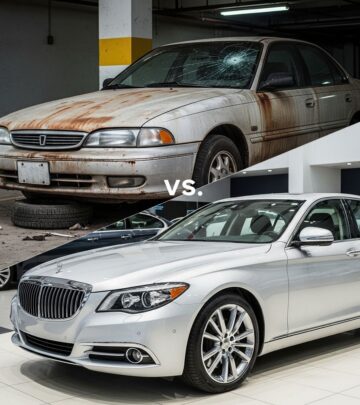
New car replacement insurance is an optional auto policy endorsement that ensures you receive a brand-new vehicle of the same make and model if your recent purchase is declared a total loss, rather than just its depreciated market value.
Why New Vehicles Lose Value Quickly
New automobiles depreciate rapidly upon leaving the dealership. Studies indicate that a typical new car can lose around 17% of its value in the first three years, creating a significant gap between purchase price and insurance payout without specialized coverage. This depreciation occurs due to factors like mileage accumulation, market supply, and wear, leaving owners underinsured for replacement costs after accidents, theft, or disasters.
Standard collision and comprehensive coverages pay only the actual cash value (ACV) at the time of loss, which subtracts depreciation. For instance, a $35,000 car might be valued at $31,000 months after purchase, resulting in a shortfall for buying a comparable new model. New car replacement addresses this by reimbursing the full cost of a current-year equivalent, minus deductibles.
Core Mechanics of New Car Replacement Coverage
This coverage activates when a vehicle is totaled—meaning repair costs exceed a state-defined threshold, often 70-80% of ACV—due to covered perils like collisions, theft, fire, or natural events. Insurers then provide funds for a new vehicle matching the original’s make, model, and key features, typically within a set timeframe from purchase.
Key prerequisites include:
- Possessing both collision (covers at-fault accidents) and comprehensive (covers non-collision losses like theft or hail) on the policy.
- Vehicle must be recent: often first model year, low miles (e.g., under 15,000), and original ownership.
- No prior claims or lapses that void eligibility.
If the exact model is unavailable, some policies pay up to 110% of the original MSRP or a comparable substitute.
Common Add-Ons in Replacement Packages
Many providers bundle new car replacement with complementary protections:
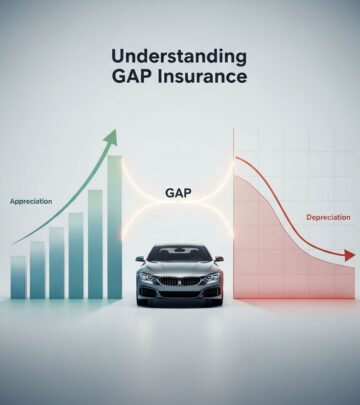
- Gap Insurance: Covers the difference between ACV payout and remaining loan/lease balance, vital since new cars depreciate faster than they pay down.
- Reduced Deductibles: Lower out-of-pocket for glass claims or minor incidents.
- Repair Cost Coverage: Pays full replacement parts/labor without depreciation for partial damages.
These bundles enhance value, especially for financed vehicles where upside-down loans are common in the first years.
Variations Across Major Insurers
Terms differ significantly by carrier, affecting eligibility windows and perks. The table below summarizes offerings from select providers based on recent policy details:
| Insurer | Coverage Period | Key Conditions | Extras |
|---|---|---|---|
| Travelers | First 5 years | Current/future model year; original owner | Gap coverage; glass deductible waiver |
| Liberty Mutual | First year or 15,000 miles | Non-leased; <1 year old | Full MSRP replacement |
| Allstate | 2 model years or newer | Requires full coverage | Repair provision option |
| Erie | First 2 years | Add anytime pre-loss | Flexible addition |
| Safeco | First year or 15,000 miles | Original owner | Standard inclusion |
This comparison highlights Travelers’ extended window as a standout, while others prioritize shorter terms with mileage caps. Always verify with quotes, as state regulations and personal factors influence availability.
Real-World Example: Total Loss Scenario
Consider purchasing a $30,000 sedan and totaling it via collision after six months, when ACV is $24,000. Without replacement coverage, you receive $24,000 minus deductible (say $500), netting $23,500—leaving a $6,500 gap plus taxes/fees for a new car. With coverage, the insurer pays ~$30,000 (current model cost) minus deductible, enabling seamless upgrade.
For leased/financed cars, gap integration prevents out-of-pocket loan payoffs, preserving credit and cash flow.
Financial Considerations and Costs
This endorsement adds 10-20% to premiums, varying by vehicle value, driver profile, and location—often $200-500 annually for mid-range cars. High-value or luxury models cost more due to replacement expense. Shop via independent agents for competitive rates, as not all carriers offer it.
ROI favors owners of $25,000+ vehicles driven in high-risk areas, where total loss odds rise. Skip if self-insured or low-mileage garage queens.
Eligibility Hurdles and Exclusions
Not universal: excludes salvaged titles, commercial use, or post-loss additions. Leases often ineligible as you’re not the owner. Some omit fire/theft (e.g., Penn National), narrowing scope. Confirm policy language, as ‘totaled’ thresholds vary by state.
Steps to Secure Coverage
- Acquire new vehicle with collision/comprehensive baseline.
- Request quote within purchase window (e.g., 30 days for some).
- Provide VIN, mileage, ownership proof.
- Compare bundles vs. standalone.
- Review annual for renewals, as windows lapse.
Alternatives if Unavailable
- Agreed Value Policies: Pre-set payout above ACV for classics/high-value cars.
- Enhanced Total Loss Claims: Some pay 115-125% ACV.
- Self-Funding Depreciation: Save monthly equivalent in high-yield accounts.
- Lease/Loan Gap Alone: Pairs with standard ACV for financed rides.
Frequently Asked Questions
Is new car replacement insurance required?
No, it’s optional nationwide, but essential for new car financial protection.
How long does coverage typically last?
Ranges from 1-5 years or mileage caps like 15,000; check provider.
Does it cover theft or only accidents?
Usually both under comprehensive, but verify exclusions.
Can lessees get it?
Rarely; most require ownership.
What’s the cost impact?
Modest premium hike, often justified by peace of mind.
Strategic Tips for New Car Owners
Prioritize during shopping: bundle with gap for financed purchases. Reassess at renewal if vehicle ages out. High-theft areas or teens amplify value. Combine with anti-theft devices for comprehensive savings. Consult agents for personalized fit, balancing cost against risk exposure.
This coverage bridges the depreciation chasm, ensuring ‘new’ stays new post-loss.
References
- New Car Replacement Insurance — Travelers Insurance. 2025. https://www.travelers.com/car-insurance/coverage/new-car-replacement
- New Car Replacement Insurance: Everything You Need to Know — Car and Driver. 2024-10-15. https://www.caranddriver.com/car-insurance/a36190801/new-car-replacement-insurance/
- New Car Replacement Insurance Explained — NerdWallet. 2025-01-20. https://www.nerdwallet.com/insurance/auto/learn/new-car-replacement-car-insurance
- New Car Replacement Insurance — Liberty Mutual. 2025. https://www.libertymutual.com/vehicle/auto-insurance/coverage/new-car-replacement-insurance
- Understanding New Car Replacement Coverage — TGS Insurance Agency. 2024-11-05. https://tgsinsurance.com/texas-auto-insurance/new-car-replacement-coverage/
- What Is New Car Replacement Insurance? — Experian. 2025-02-01. https://www.experian.com/blogs/ask-experian/what-is-new-car-replacement-insurance/
Similar Articles








Read full bio of medha deb