Which Neobank Is Best?: Chime vs. Current vs. Varo
Compare the best neobanks: Chime, Current, and Varo to find the perfect fit for your banking needs.
Understanding Neobanks: The Digital Banking Revolution
The banking landscape has undergone a significant transformation in recent years, with the emergence of neobanks fundamentally changing how people manage their finances. Neobanks are digital-only financial institutions that operate without physical branches, offering streamlined services through mobile applications and online platforms. Unlike traditional brick-and-mortar banks, neobanks leverage technology to reduce overhead costs, allowing them to pass savings on to customers in the form of reduced fees and competitive interest rates.
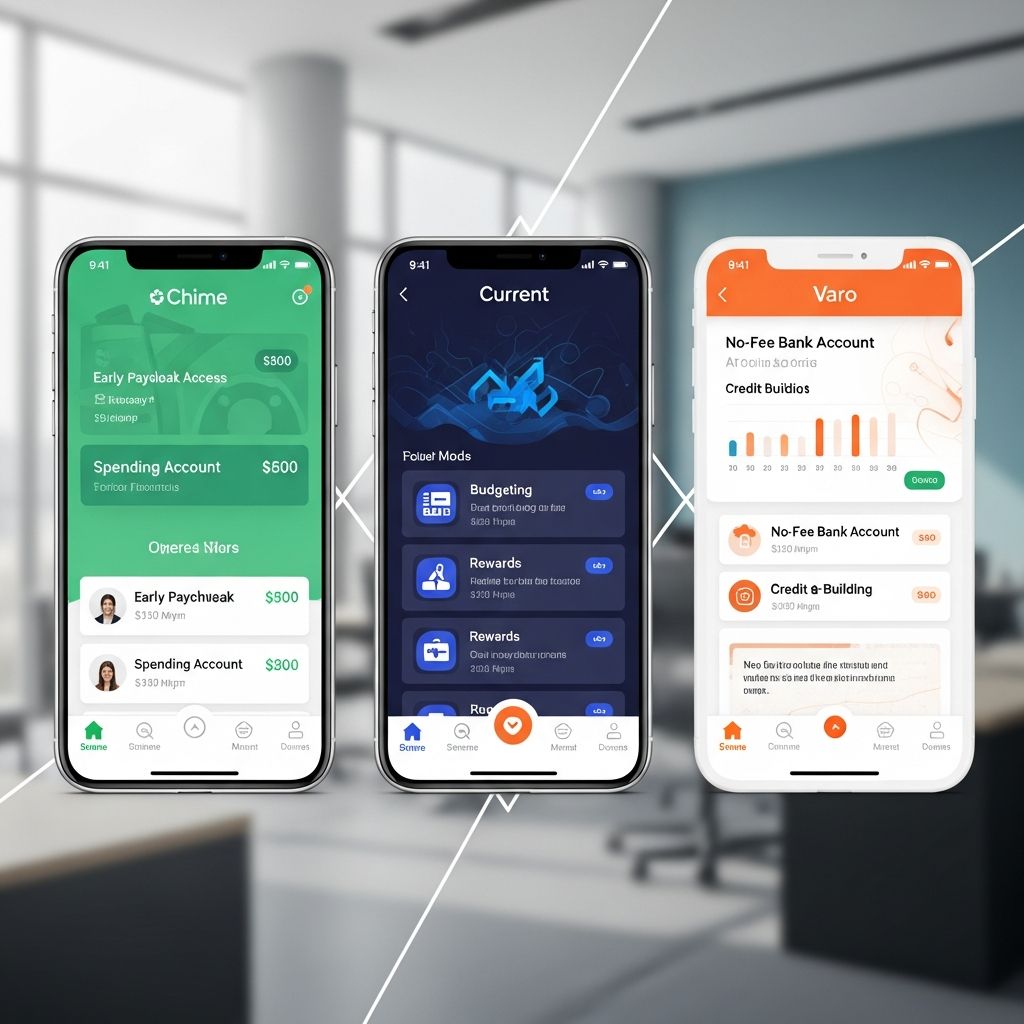
Three standout players in the neobanking space are Chime, Current, and Varo. Each has carved out a unique position in the market, targeting specific customer segments and offering distinct features tailored to modern financial needs. Whether you’re living paycheck to paycheck, building credit, or seeking competitive savings rates, understanding the differences between these platforms is essential for making an informed banking decision.
Chime: The Paycheck-to-Paycheck Solution
Launched in 2014, Chime has become one of the most popular neobanks in the United States, with a specific focus on serving customers who live paycheck to paycheck. The platform’s founder describes their regular customer as “someone who is working 9 to 5, getting paid every two weeks, and is a little younger than an average bank customer.” This positioning has helped Chime attract millions of users seeking straightforward, fee-conscious banking solutions.
Key Features and Benefits
Chime offers several compelling features that have made it attractive to budget-conscious consumers:
– No monthly fees or minimum balance requirements: Chime’s checking account comes with no monthly maintenance fees and does not require any minimum balance to maintain the account.- SpotMe Overdraft Protection: One of Chime’s most distinctive features is SpotMe, which allows eligible members to overdraw their accounts up to $200 for cash withdrawals and debit card purchases without incurring any fees.- Extensive ATM Network: Customers have fee-free access to more than 60,000 ATMs nationwide through the MoneyPass, Allpoint, and Visa Plus Alliance networks.- Free Cash Deposits: Chime customers can deposit cash for free at participating Walgreens locations, eliminating a common pain point for digital banking users.- Early Direct Deposit: Members can receive their paychecks up to two days earlier than traditional banks, helping with cash flow management.
Credit Building Opportunities
Chime also provides a Secured Chime Credit Builder Visa Card designed to help customers establish or rebuild their credit history. This card doesn’t require a hard credit check and has no preset credit limit, making it an accessible option for those with limited or poor credit histories.
How Chime Makes Money
While Chime charges no monthly fees, the platform generates revenue primarily through interchange fees—commissions paid by merchants when customers use their debit card at stores or make online purchases. This business model aligns Chime’s interests with frequent users, encouraging the platform to provide excellent service and value.
Banking Partnerships and Important Considerations
Chime is technically a fintech company rather than a bank, with its banking services provided by the Bancorp Bank and Stride Bank. In 2021, a ProPublica investigation found that Chime had closed some customer accounts, resulting in consumer complaints. Additionally, a court has legally determined that Chime cannot describe itself as a bank, despite offering full banking services.
Current: Features for Modern Families
Founded in 2015, Current has developed a unique market position by focusing on features that appeal to families, teens, and young adults. The platform partners with Choice Financial Group and Cross River Bank to provide banking services, with a Visa debit card accessible through the Allpoint ATM network.
Distinctive Current Features
Current stands out with several innovative offerings:
– Teen Banking: Current’s teen account allows parents to give their children controlled access to banking services, supporting financial literacy education.- Overdraft Protection: Premium customers who deposit at least $500 monthly can overdraw their accounts up to $200 without incurring fees.- Rewards and Cashback: Current customers earn points and cash back when using their debit card at specific partner merchants, providing value for everyday spending.- Quick Gas Hold Removals: The platform rapidly removes temporary holds on gas purchases, giving customers quicker access to their funds.- Fast Direct Deposit: Current offers speedier access to direct deposit funds compared to traditional banks.- Extensive ATM Access: Members have fee-free withdrawals at more than 40,000 ATMs nationwide.
Cash Deposit Fees
One drawback of Current is its cash deposit policy: customers face a $3.50 fee when depositing physical cash, which may be inconvenient for those who frequently handle cash.
Varo: The Bank with a Difference
Varo represents a unique neobanking model because it holds a national bank charter, issued in 2020. This distinction means Varo is legally a bank, not merely a fintech company partnering with a bank. When Acting Comptroller of the Currency Brian P. Brooks announced Varo’s charter, he described the mobile-only bank as “the evolution of banking.”
The Significance of a Bank Charter
Varo’s bank charter carries significant implications for customers. The charter means:
– Government Regulation: Varo is subject to federal banking oversight, providing an additional layer of legitimacy and consumer protection.- Direct FDIC Insurance: Unlike neobanks that rely on partner banks for FDIC coverage, Varo itself is insured by the FDIC, protecting deposits up to $250,000.- Legal Banking Status: Varo can legally call itself a bank and use the term freely in marketing and customer communications.
Varo’s Product Suite and Interest Rates
Varo boasts a comprehensive product suite designed to help customers build wealth and establish credit:
– High-Yield Savings Account: Varo offers one of the most competitive savings rates available, providing up to 5% APY on deposits up to $5,000 when customers meet certain conditions (such as maintaining a minimum balance or setting up automatic deposits). For balances exceeding $5,000 or customers who don’t meet conditions, a 2.50% APY is available.- No Hidden Fees: Varo emphasizes transparency, promising no hidden fees and early payday access.- Secured Credit Card: The Varo Believe secured credit card helps users build credit history.- Zelle Integration: Varo recently added Zelle, a peer-to-peer money transfer service, to its mobile banking app.- ATM Network: Customers have fee-free access to more than 40,000 Allpoint ATMs nationwide.
No Overdraft Fees, But Limited Overdraft Options
Varo doesn’t offer traditional overdraft protection. Instead, the platform denies transactions that would bring account balances below zero, preventing overdraft fees but also limiting flexibility. Varo does offer a cash advance program for customers needing short-term borrowing options.
Comparative Analysis: Feature-by-Feature Comparison
| Feature | Chime | Current | Varo |
|---|---|---|---|
| Monthly Fee | $0 | $0 | $0 |
| Minimum Balance | None | None | None |
| Overdraft Protection | SpotMe up to $200 | Up to $200 (premium only) | Cash advance program |
| Savings APY | 1.00% | Varies | Up to 5.00% |
| ATM Network | 60,000+ | 40,000+ | 40,000+ |
| Free Cash Deposits | Walgreens | $3.50 fee | CVS (most locations) |
| Bank Status | Fintech/Neobank | Fintech/Neobank | Licensed Bank |
| Early Direct Deposit | Up to 2 days | Available | Available |
Why Neobanks Offer Competitive Advantages
All three platforms benefit from fundamental advantages inherent to neobanking. Operating online rather than maintaining physical branches significantly reduces overhead costs. These savings translate directly to customers through higher interest rates on savings accounts, lower fees, and more robust feature sets compared to traditional banks.
Neobanks also typically offer superior customer service through digital channels—mobile apps and phone support—though they lack the option for in-person banking. For tech-savvy consumers, this trade-off is rarely problematic and often preferred for convenience.
Market Positioning and Target Demographics
Each neobank serves distinct customer segments. Chime dominates among younger customers and those living paycheck to paycheck, offering simplicity and overdraft protection. Current appeals to families and teens seeking educational banking features and rewards. Varo attracts customers prioritizing savings growth and seeking the legitimacy of a regulated bank with competitive interest rates.
The rise of neobanks reflects a generational shift where younger consumers prefer digital innovation over traditional brick-and-mortar banking relationships. This trend capitalizes on existing structural inequalities in the banking system, offering underserved populations access to affordable, modern financial services.
Frequently Asked Questions About Neobanks
Q: Are neobanks safe and insured like traditional banks?
A: Yes, reputable neobanks like Chime, Current, and Varo provide FDIC insurance protection up to $250,000 per account holder. Chime and Current partner with banks that hold FDIC insurance, while Varo holds its own bank charter and direct FDIC coverage.
Q: Can I deposit cash with neobanks?
A: Yes, but policies vary. Chime allows free cash deposits at Walgreens, Current charges $3.50 per deposit, and Varo offers free deposits at most CVS locations. All three provide access to extensive ATM networks for withdrawals.
Q: Which neobank has the best savings rate?
A: Varo offers the highest advertised savings rate at up to 5.00% APY on balances up to $5,000 (when conditions are met), significantly outpacing Chime’s 1.00% and other competitors.
Q: What happens if I overdraft with each neobank?
A: Chime allows overdrafts up to $200 with no fee through SpotMe. Current offers similar protection for premium customers. Varo declines transactions that would create negative balances, preventing overdraft fees but limiting flexibility.
Q: How quickly can I access my direct deposit with neobanks?
A: All three neobanks offer faster access to direct deposits compared to traditional banks, typically up to two days earlier than standard processing times.
Q: What makes Varo different from Chime and Current?
A: Varo holds an actual bank charter, making it a licensed bank rather than a fintech. This provides direct FDIC insurance and government regulation, plus the ability to legally call itself a bank.
Q: Do neobanks charge foreign transaction fees?
A: Chime and Varo charge no foreign transaction fees, making them excellent for international travelers. Current charges a 3% foreign transaction fee, which is a notable disadvantage for frequent travelers.
Q: Can I build credit with a neobank account?
A: Yes. Chime offers a Secured Credit Builder Visa Card, and Varo provides the Varo Believe secured credit card. Both are designed for users building or rebuilding credit histories.
References
- Which Neobank Is Best?: Chime vs. Current vs. Varo — Money Magazine. 2024. https://money.com/neobank-chime-current-varo/
- Varo vs. Chime: Which Is Better for You? — NerdWallet. 2025. https://www.nerdwallet.com/banking/learn/varo-vs-chime-which-is-better-for-you
- Current vs. Chime vs. Varo: Compare Fees, Features, and Perks — LendEDU. 2024. https://lendedu.com/blog/current-vs-chime-vs-varo/
- Neobanking vs. Community Banking — Schaumburg Bank. 2023-06. https://www.bankschaumburg.com/articles/2023/06/neobanking-vs-community-banking.html
- Office of the Comptroller of the Currency – Bank Charter — U.S. Department of the Treasury. https://www.occ.treas.gov/
- Federal Deposit Insurance Corporation – FDIC Insurance Coverage — FDIC. https://www.fdic.gov/resources/deposit-insurance/
Similar Articles








Read full bio of Sneha Tete