Negative Equity Auto Loan Payment Calculator
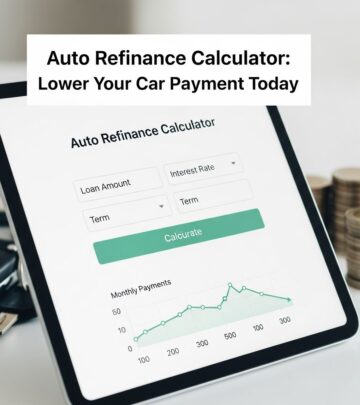
Estimate your car payments when rolling negative equity into a new auto loan.

Managing car finances can be challenging, especially when you find yourself owing more on your vehicle than it is worth. This situation, known as negative equity or being “upside down” on your auto loan, affects millions of car owners. Understanding how to calculate and manage this financial position is crucial for making informed decisions about your next vehicle purchase. Bankrate’s negative equity auto loan calculator is designed to help you estimate your monthly payments and total costs when you choose to roll your negative equity into a new loan.
Whether you are considering trading in your current vehicle or purchasing a new one while still owing money on your existing car, this calculator provides valuable insights into how your financial obligations will change. By using this tool, you can make more educated financial decisions and explore various scenarios before committing to a new auto loan.
How to Use This Calculator
Bankrate’s negative equity calculator is designed with simplicity and functionality in mind, allowing you to input your specific financial situation and receive detailed estimates. Understanding each component of the calculator will help you get the most accurate results for your particular circumstances.
Entering Your Rollover Amount
The rollover amount represents the money you still owe on your current auto loan. This is the amount that will be carried over into your new loan agreement. To find this number, check your most recent loan statement or contact your lender directly. This figure is essential because it directly impacts your new loan’s total principal amount and, consequently, your monthly payment.
Specifying the Amount Borrowed on Your New Auto
The amount borrowed on your new auto includes not only the purchase price of the vehicle but may also encompass additional costs. This can include financing for dealer add-ons, taxes, registration fees, and other charges. Many buyers choose to roll these costs into their loan rather than paying them upfront, which increases the total amount borrowed. Understanding this component helps you see the complete picture of your financial commitment.
Selecting Your Loan Term
Your loan term is the length of time you have to repay your auto loan. You can enter this as either years or months, whichever you prefer. Auto loans typically last between 36 and 84 months, with longer terms resulting in lower monthly payments but higher total interest costs. Shorter terms mean higher monthly payments but less interest paid overall. Choosing the right term depends on your budget and financial priorities.
Entering Your Interest Rate
The interest rate, also known as your annual percentage rate or APR, represents the cost of borrowing money. This rate varies based on factors such as your credit score, the type of vehicle, the down payment amount, and the lender you choose. Entering your rate allows the calculator to estimate your total interest costs accurately. If you are shopping for loans, try entering different rates to compare how they affect your monthly payments and total cost.
Adding Optional Extra Payments
To accelerate your loan payoff and reduce total interest paid, you can add extra payments to your monthly obligation. The calculator allows you to add extra money in three ways: increase your monthly payment amount, add an extra yearly payment, or make a one-time lump sum payment. After entering your extra payment information, click “Apply extra payments” to see how these additional funds affect your loan timeline and interest costs.
Running Your Calculation
Once you have entered all your information, select the “Calculate” button to generate your results. The calculator will show your estimated monthly payments, the total principal you will pay over the life of the loan, and the total interest charges. For those wanting more detail, the calculator offers an amortization schedule, which provides a month-by-month breakdown showing how much of each payment goes toward principal and how much goes toward interest.
Finding Potential Lenders
After calculating your estimates, you can select “Find loans” to be matched with potential lenders that have been vetted by Bankrate’s experts. This feature connects you with financial institutions that may be willing to offer you competitive rates based on your financial profile and loan needs.
Understanding Negative Equity
Negative equity is a financial situation that many car owners face, yet many do not fully understand. Also referred to as being “upside down” on your auto loan, negative equity occurs when you owe more money on your vehicle loan than the vehicle is currently worth in the marketplace. While this situation is not necessarily catastrophic, it can create significant challenges when you attempt to trade in your vehicle, sell it, or secure future auto loans.
How Negative Equity Develops
Several common scenarios lead borrowers to develop negative equity on their auto loans. Understanding these situations can help you avoid making similar mistakes with future vehicle purchases.
Financing Without a Substantial Down Payment: When you finance a vehicle with little to no money down, you are borrowing the majority of the purchase price. Since vehicles depreciate immediately after purchase, it is easy to find yourself owing more than the car is worth within the first year. A larger down payment provides a cushion against depreciation and helps you maintain positive equity.
Signing Off on Too Long of a Repayment Term: Extended loan terms of 72, 78, or 84 months allow monthly payments to be spread out, making them more affordable each month. However, vehicles depreciate much faster than these extended loan periods, particularly in the early years. This mismatch between depreciation and loan payoff can result in negative equity.
Purchasing a Luxury Vehicle Outside Your Budget: High-end and luxury vehicles often have higher price tags and steeper depreciation curves. If you purchase such a vehicle with limited down payment savings and an extended loan term, negative equity is likely to follow.
Agreeing to Borrow at a Steep Interest Rate: High interest rates increase your monthly payment and the total amount of money you will pay over the life of the loan. This elevated debt amount, combined with vehicle depreciation, accelerates the development of negative equity.
Example of Negative Equity
Consider a practical example: you take out an auto loan for $18,000 to purchase a vehicle. Three years into your loan, you have paid down the balance to $10,000. However, your vehicle’s current market value is only $8,000 due to depreciation and wear. In this scenario, you have negative equity of $2,000, meaning you owe $2,000 more than the vehicle is worth.
Strategies to Reduce Negative Equity Impact
If you find yourself in a negative equity situation, several strategies can help minimize the financial impact when purchasing your next vehicle. The calculator itself encourages exploring these options.
Make Extra Payments: By paying more than your monthly minimum, you reduce your loan balance faster and decrease the amount of negative equity you carry forward. Making even modest extra payments can save you thousands in interest.
Increase Your Down Payment: If you are planning to purchase a new vehicle, saving additional money for a larger down payment helps offset your negative equity. This reduces the total amount you need to finance and results in lower monthly payments.
Refinance Your Current Loan: If your credit score has improved or interest rates have dropped, refinancing your current auto loan at a better rate can reduce your monthly payments and total interest cost, helping you pay down your balance more quickly.
Using Calculator Results Effectively
After using the negative equity calculator, you will receive detailed information about your estimated financial obligations. Understanding how to interpret and use these results is crucial for making sound financial decisions.
Monthly Payment Estimates
The calculated monthly payment represents what you will owe each month on your new loan, including the rolled-over negative equity from your previous vehicle. This figure helps you determine whether the loan is affordable within your monthly budget.
Total Principal and Interest Breakdown
The calculator shows both the total principal (the actual amount borrowed) and the total interest you will pay over the life of the loan. This breakdown illustrates the true cost of borrowing money and can motivate you to consider paying extra or choosing a shorter loan term.
Amortization Schedule
The detailed amortization schedule shows exactly when each payment is due, how much of each payment goes to principal versus interest, your remaining balance after each payment, and your estimated payoff date. This month-by-month breakdown helps you visualize your loan’s progress and plan for financial milestones.
Comparing Scenarios with the Calculator
One of the most valuable aspects of this calculator is the ability to explore different scenarios. By adjusting various inputs, you can see how different decisions affect your overall financial obligations.
Testing Different Interest Rates: If you are considering loans from multiple lenders, enter each interest rate to see how it impacts your monthly payment and total interest cost.
Evaluating Loan Terms: Compare how choosing a 48-month versus 60-month loan term affects your monthly payment and total interest paid.
Exploring Extra Payment Options: See how much you could save by making extra monthly payments, annual payments, or lump sum payments.
Adjusting the Rollover Amount: Some borrowers choose to pay down their existing loan before purchasing a new vehicle. Enter a lower rollover amount to see the impact on your new loan.
Frequently Asked Questions
Q: What exactly is negative equity in an auto loan?
A: Negative equity occurs when you owe more on your vehicle loan than the vehicle’s current market value. For example, if you owe $15,000 on your car but it is only worth $12,000, you have $3,000 in negative equity.
Q: Can I roll negative equity into a new auto loan?
A: Yes, many lenders allow you to roll your negative equity into a new loan, which is what this calculator helps you estimate. However, this increases your new loan amount and total interest paid.
Q: How does negative equity affect my ability to trade in my vehicle?
A: When you have negative equity, you will owe more than what the dealership offers for your trade-in value. You will need to cover this difference out of pocket or roll it into your new loan.
Q: What is the best way to avoid negative equity?
A: To avoid negative equity, make a substantial down payment, choose a reasonable loan term, purchase a vehicle within your budget, and secure the best interest rate possible based on your credit profile.
Q: How often should I use this calculator?
A: Use the calculator whenever you are considering a new vehicle purchase, especially if you still owe money on your current car. Run multiple scenarios to find the best financial option for your situation.
Q: Can making extra payments help me eliminate negative equity faster?
A: Yes, making extra payments reduces your loan balance more quickly, helping you build positive equity faster and potentially avoiding the need to roll negative equity into your next loan.
Q: How accurate is this calculator?
A: The calculator provides estimates based on the information you enter. Actual monthly payments and interest costs may vary slightly based on factors like the exact loan origination date and how your lender calculates interest.
Q: What information do I need before using this calculator?
A: You will need your current loan balance, the purchase price or financed amount of your new vehicle, your desired loan term, and your expected interest rate from your lender.
References
- Negative Equity Auto Loan Payment Calculator — Bankrate. 2025-08-06. https://www.bankrate.com/loans/auto-loans/negative-equity-auto-loan-calculator/
- Motor Vehicle Financing for Consumers — Massachusetts State Government. https://www.mass.gov/info-details/motor-vehicle-financing-for-consumers
- Auto Loan Calculator — Bankrate. 2025-09-05. https://www.bankrate.com/loans/auto-loans/auto-loan-calculator/
Similar Articles








Read full bio of Sneha Tete