Negative Credit Card Balance: 3 Smart Ways To Manage It
Discover why your credit card shows a negative balance, what it really means for your finances, and smart ways to handle it effectively.
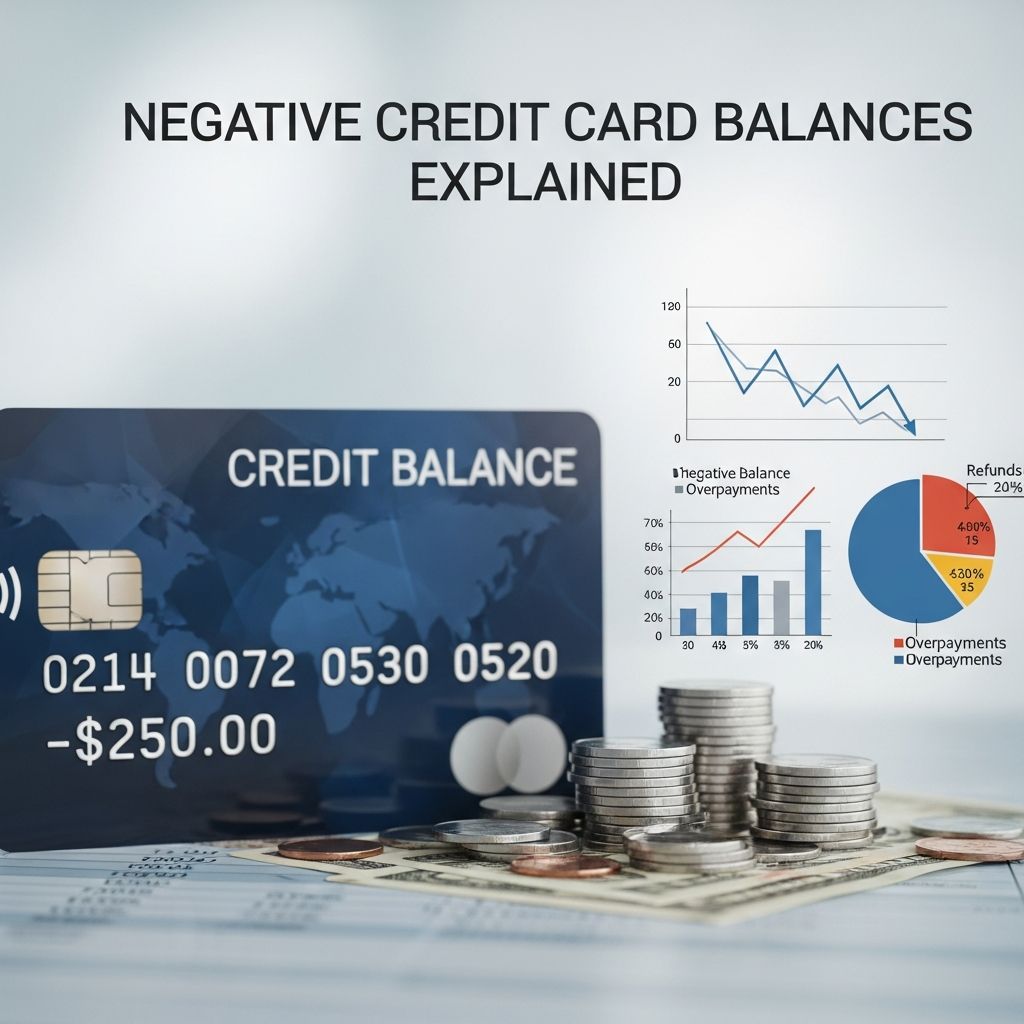
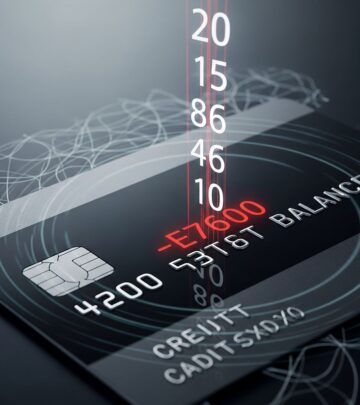
A negative balance on your credit card statement indicates that your card issuer owes you money rather than you owing them. This situation arises when payments, credits, or refunds exceed the amount you have spent, effectively giving you a credit on your account.
Understanding the Fundamentals of Credit Card Balances
Credit card balances represent the net amount between charges and payments. A positive balance means you owe money, while zero shows everything is cleared. A negative figure flips this dynamic, positioning you as the creditor to the issuer. Unlike a bank account overdraft, which incurs fees, a credit card negative balance carries no penalties and can even offer financial flexibility.
Financial institutions track these balances meticulously to ensure accurate billing. When your account dips below zero, it signals an overcompensation that benefits you. This feature is built into credit card systems to handle refunds, rewards, and adjustments seamlessly.
Primary Reasons for a Negative Credit Card Balance
Several common scenarios lead to this outcome. Recognizing them helps demystify your statement and informs your next actions.
- Overpayments: Paying more than the current balance, intentionally or by error, directly results in a negative amount. For instance, autopay set to the full statement alongside a manual payment can cause this overlap.
- Refunds from Returns: Returning purchases after settling your bill credits the refunded amount, pushing the balance negative if no new charges exist.
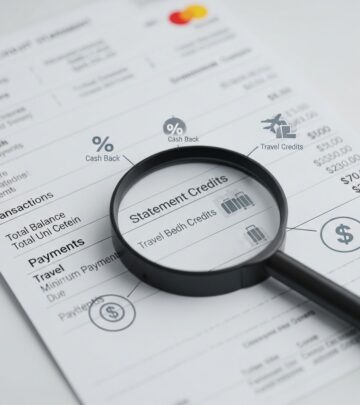
- Statement Credits from Rewards: Redeeming cash back or points as statement credits often exceeds minor balances, creating a surplus.
- Fee Waivers: Issuers may reverse annual fees, late charges, or interest after initial billing, crediting your account accordingly.
- Fraud Resolutions: Disputed or unauthorized charges removed post-payment lead to credits that can overshoot zero.
These factors highlight how everyday transactions can unexpectedly favor your account standing.
Financial Implications of Carrying a Negative Balance
A negative balance does not harm your credit profile. Credit scoring models, such as FICO and VantageScore, view it neutrally or positively since it reflects responsible payment behavior and low utilization. Your available credit effectively increases by the negative amount up to your limit, but the limit itself remains unchanged.
| Scenario | Balance Impact | Credit Score Effect |
|---|---|---|
| Positive Balance | You owe issuer | Potential utilization hit if high |
| Zero Balance | Even | Optimal utilization |
| Negative Balance | Issuer owes you | Neutral to positive |
However, prolonged negatives without activity might prompt issuer reviews, though this rarely affects scores.
Strategic Options for Managing Your Credit Surplus
You have versatile choices when facing this scenario, each aligning with different financial goals.
- Retain as Prepaid Credit: Use it for future purchases, reducing out-of-pocket costs and simplifying budgeting.
- Apply to Future Statements: The credit automatically offsets upcoming charges, lowering your next bill.
- Request a Refund: Opt for check, direct deposit, or money order to access cash immediately. Processing times vary by issuer, typically 7-10 business days.
Before closing an account, resolve the negative by refunding or spending it to avoid complications.
Real-World Examples Illustrating Negative Balances
Consider Jane, who pays her $300 statement in full but later returns a $400 item purchased earlier. The refund credits $400, resulting in a -$100 balance. She chooses to keep it for holiday shopping.
Or take Mike, earning $150 cash back rewards applied automatically. With only $100 in charges paid off, his balance hits -$50. He requests a direct deposit for quick cash.
These cases show how negatives enhance financial control.
Potential Pitfalls and Best Practices
While beneficial, watch for pitfalls like forgetting the credit during payments, leading to unnecessary overpayments. Regularly review statements to track these adjustments.
- Enable alerts for credits and payments.
- Coordinate autopay with manual payments to prevent doubles.
- Contact issuer promptly for unexplained negatives to rule out errors.
Proactively managing these ensures maximum benefit.
Comparing Issuer Policies on Negative Balances
While practices align broadly, nuances exist across providers.
| Issuer | Refund Methods | Overpayment Policy |
|---|---|---|
| American Express | Check, deposit | Allows intentional overpay |
| Citi | Check, direct deposit | Permits overpayments |
| Capital One | Refund options available | Supports credits from rewards |
Always verify with your provider for specifics.
Frequently Asked Questions
Does a negative balance improve my credit score?
It maintains or slightly boosts scores via low utilization but doesn’t directly raise them dramatically.
Can I keep a negative balance indefinitely?
Yes, issuers permit it, treating it as prepaid credit without expiration.
What if I close my card with a negative balance?
Issuers refund the amount before closure, often via check or deposit.
Why did my balance go negative after paying in full?
Likely due to a post-payment refund, reward credit, or fee reversal.
Is there interest on a negative balance?
No, issuers do not charge or pay interest on negatives.
Long-Term Strategies for Leveraging Credit Surpluses
Incorporate negatives into broader financial planning. Use them to buffer against unexpected expenses or accelerate debt payoff on other cards via balance transfers. Track patterns in rewards redemption to intentionally create surpluses during low-spend periods. Pair with budgeting apps that categorize credits separately for clearer cash flow visibility.
For high-rewards users, timing redemptions post-payment maximizes negative periods, enhancing liquidity. Military members or those qualifying for fee waivers can strategically time requests to build credits annually.
Navigating Disputes and Errors
If a negative seems erroneous, initiate a dispute through your issuer’s portal or phone. Provide transaction details for swift resolution. Federal regulations under the Fair Credit Billing Act protect against billing errors, mandating investigations within 30 days.
Maintain records of payments, returns, and communications to support claims effectively.
References
- Negative Balance on a Credit Card: What Does It Mean? — American Express. 2023-10-15. https://www.americanexpress.com/en-us/credit-cards/credit-intel/negative-balance-on-credit-card/
- What Is a Negative Balance on a Credit Card? — Citi. 2024-05-20. https://www.citi.com/credit-cards/understanding-credit-cards/what-is-a-negative-balance-on-a-credit-card
- What Is a Negative Balance on Your Credit Card? — NerdWallet. 2024-02-12. https://www.nerdwallet.com/credit-cards/learn/what-is-a-negative-balance-on-your-credit-card
- What Is A Negative Balance On Your Credit Card? — Bankrate. 2023-11-08. https://www.bankrate.com/credit-cards/advice/what-is-negative-balance/
- What Is a Negative Balance on a Credit Card? — Capital One. 2024-01-22. https://www.capitalone.com/learn-grow/money-management/overpay-credit-card/
Similar Articles








Read full bio of Sneha Tete