Negative Credit Card Balances Explained
Discover what a negative balance on your credit card really means, why it happens, and smart ways to handle it for better financial control.
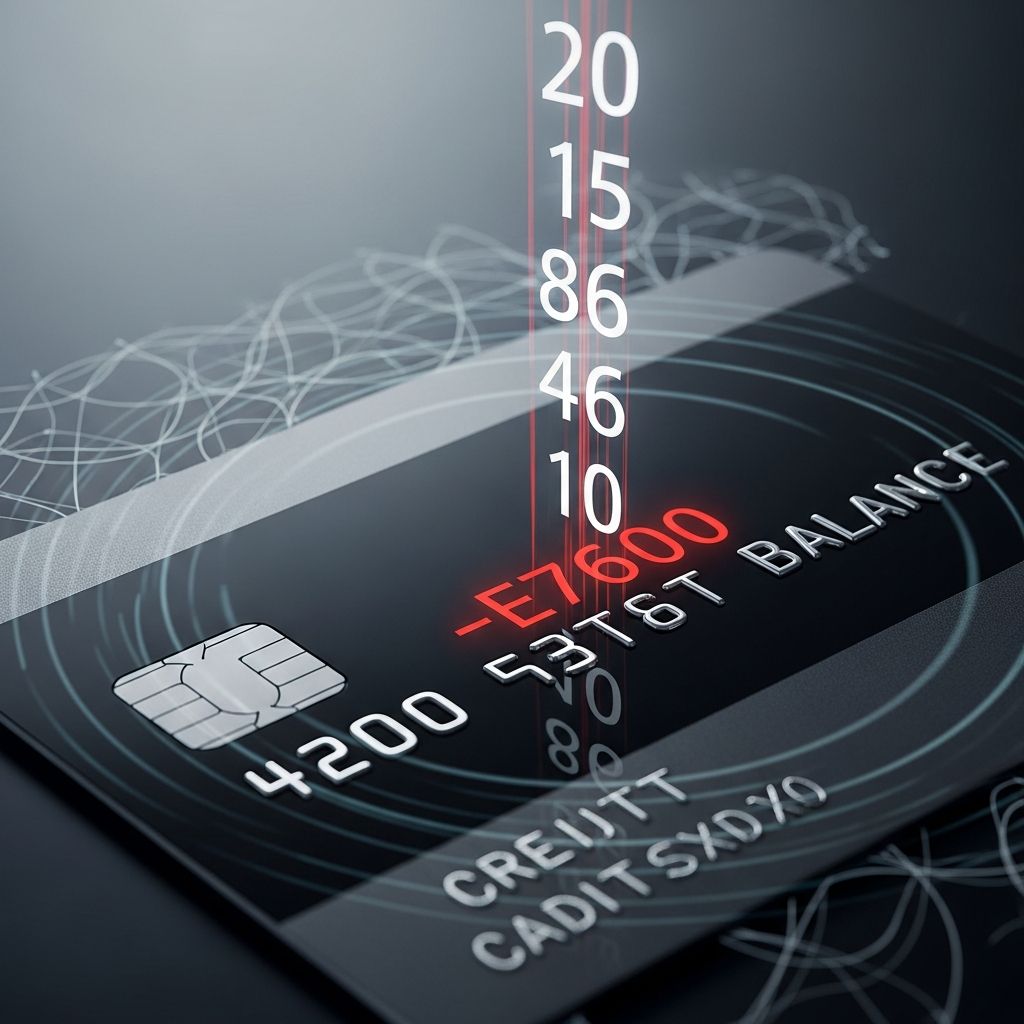
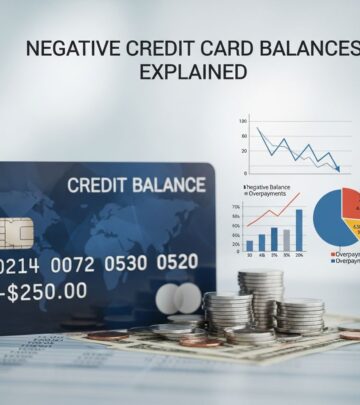
A negative balance on a credit card indicates that your issuer owes you money rather than you owing them. This situation arises when payments, refunds, or credits exceed your outstanding charges, effectively giving you extra available credit or funds to reclaim.
Understanding the Fundamentals of Credit Card Balances
Credit card balances represent the total amount carried over from purchases, fees, and interest minus payments and credits. Typically positive, they show what you owe. When this figure dips below zero, it flips the dynamic: the issuer holds your excess payment or credit as a liability to you.
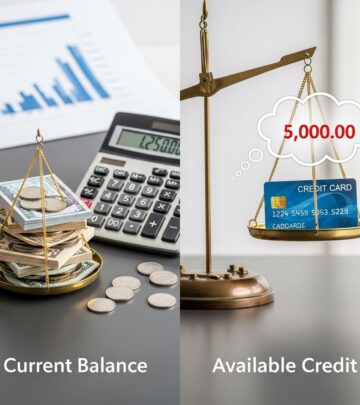
This differs sharply from a negative bank account balance, which signals overdraft debt. On credit cards, negativity is advantageous, boosting your available credit limit temporarily. For instance, a -$200 balance on a $5,000 limit card increases usable credit to $5,200.
Primary Causes Behind Negative Balances
Several common scenarios lead to this outcome. Recognizing them helps you respond appropriately.
- Overpayments: Paying more than due, often via autopay mismatches or duplicate payments, creates excess funds on your account.
- Merchandise Returns: Refunding purchases after settling your balance results in credits surpassing zero.
- Statement Credits from Rewards: Cashback, points, or bonuses applied post-payment can push balances negative.
- Fraud Reimbursements: Charge reversals after disputes return funds to a paid-off account.
- Fee Waivers: Canceled annual fees or interest charges credit back paid amounts.
These events are routine and not errors, though monitoring prevents surprises.
Real-World Examples of Negative Balances
Consider purchasing a $100 appliance, paying off your card fully, then returning it. The $100 refund yields a -$100 balance, meaning $100 extra to spend or withdraw.
Another case: Earning a $250 sign-up bonus on a rewards card after clearing charges. Applied as statement credit, it creates a -$250 balance if no new activity exists.
| Scenario | Initial Balance | Event | Resulting Balance |
|---|---|---|---|
| Return after payoff | $0 | $75 refund | -$75 |
| Rewards credit | $50 | $100 cashback | -$50 |
| Overpayment | $200 | $300 payment | -$100 |
| Fraud reversal | $0 | $150 reimbursement | -$150 |
Strategic Options for Managing Your Negative Balance
You have flexibility in handling this credit. Choices depend on your financial goals.
Option 1: Spend It Down
Use your card for purchases up to the negative amount. This restores balance to zero without new debt, ideal for planned expenses.
Option 2: Request a Refund
Contact your issuer for a check, direct deposit, or money order. The Truth in Lending Act mandates prompt refunds upon request, typically within billing cycles.
Option 3: Let It Accumulate
Leave it as extra credit buffer. No interest accrues in your favor, so it’s not savings-like, but convenient for future needs.
Issuers may auto-refund after inactivity, per policies.
Does a Negative Balance Influence Your Credit Score?
Short answer: minimally and usually positively. Credit scores factor utilization (balance vs. limit). A negative balance equals 0% utilization, potentially boosting scores if high utilization precedes it.
Payment history and other factors dominate scores. No direct penalty exists for negatives. Closing an account with negative balance requires issuer refund first, avoiding credit impacts.
Potential Pitfalls and Precautions
While beneficial, watch for:
- Misreading statements, confusing with errors.
- Auto-payments on negative balances causing deeper negatives.
- Account closure delays if negative funds linger.
Review statements monthly. Some portals cap payments at balance due to prevent overpayment.
Comparing Negative Balances Across Major Issuers
| Issuer | Refund Policy | Auto-Refund Threshold | Rewards Application |
|---|---|---|---|
| Capital One | Check/Deposit on request | After 6 months inactivity | Statement credit possible |
| American Express | Flexible: check or deposit | Case-by-case | Often auto-applies rewards |
| Discover | Quick refund processing | 90 days | Cashback as credit |
| Citi | Standard request | Varies | Rewards to statement |
Frequently Asked Questions (FAQs)
Is a negative credit card balance bad?
No, it’s positive—the issuer owes you.
How long can a negative balance stay?
Indefinitely until used or refunded; some auto-return after months.
Can I earn interest on negative balance?
No, credit cards don’t pay interest to holders.
What if I close the account with negative balance?
Issuer refunds before closure.
Does it affect my credit limit?
Temporarily increases available credit.
Pro Tips for Maximizing Negative Balances
- Track autopay to avoid unintended overpayments.
- Redeem rewards strategically post-payment.
- Request refunds promptly if needing cash.
- Use as emergency buffer without overspending.
Integrate negatives into broader credit strategy for utilization optimization.
References
- What Is a Negative Balance on a Credit Card? — SoFi. 2023. https://www.sofi.com/learn/content/negative-balance-on-credit-card/
- Negative Balance On Your Card? Here’s What It Means — Arro Finance. 2024. https://www.arrofinance.com/blog/your-must-read-guide-to-understanding-a-negative-balance-on-your-credit-card
- Negative Balance on a Credit Card: What Does It Mean? — American Express. 2024-03-15. https://www.americanexpress.com/en-us/credit-cards/credit-intel/negative-balance-on-credit-card/
- What Is A Negative Balance On Your Credit Card? — Bankrate. 2024-01-10. https://www.bankrate.com/credit-cards/advice/what-is-negative-balance/
- What Is a Negative Balance on a Credit Card? — Capital One. 2023. https://www.capitalone.com/learn-grow/money-management/overpay-credit-card/
Similar Articles








Read full bio of Sneha Tete