Short Sale Purchases: Complete Buyer’s Roadmap
Unlock the potential of short sale homes with our comprehensive guide to smart buying strategies, risks, and rewards in today's market.

Short sales offer motivated buyers a chance to acquire properties at reduced prices, but they demand patience, preparation, and expertise. Unlike standard transactions, these sales require lender approval since the sale price falls below the outstanding mortgage balance. This guide breaks down the entire process, highlighting strategies to maximize success and minimize pitfalls.
Understanding Short Sales in Todays Housing Market
A short sale occurs when a homeowner sells their property for less than the remaining mortgage debt, with the lender agreeing to forgive the difference. This arrangement helps sellers avoid foreclosure, which can severely damage credit scores. For buyers, it presents opportunities for equity buildup, especially in recovering markets where distressed properties linger.
Short sales differ from foreclosures: sellers retain control during the process, often leading to better-maintained homes. However, approval timelines stretch from 60 to 90 days or longer, particularly with multiple liens.
Essential Preparations Before Hunting for Properties
Success starts with financial readiness. Begin by securing mortgage preapproval, which signals seriousness to sellers and lenders. Lenders verify income, credit, and assets quickly—often within days—issuing a letter valid for 60-90 days.
- Why preapproval matters: It filters out unqualified buyers and strengthens offers against cash competitors.
- Cash buyers’ edge: They close faster, but financed buyers with strong preapprovals remain competitive.
Assemble proof of funds, recent bank statements, and down payment details. Consult lenders experienced in short sales, as they understand extended timelines.
Finding and Evaluating Potential Short Sale Opportunities
Locate listings through real estate agents specializing in distressed properties, online platforms, or public records at courthouses. Prioritize agent partnerships: experts identify genuine short sales, track lender statuses, and access off-market deals.
Key evaluation steps include:
- Reviewing comparable sales (comps) for fair pricing.
- Conducting preliminary walkthroughs to gauge repair needs.
- Checking for “lender-approved” listings, where prior offers fell through—these fast-track processes.
Conducting Thorough Due Diligence on Properties
Short sales sell “as-is,” so inspections are crucial despite limited seller repairs. Hire inspectors early to uncover issues like structural damage, mold, or pests.
| Aspect | Why Check? | Action Steps |
|---|---|---|
| Title Search | Uncovers liens, taxes, or ownership disputes | Request preliminary report pre-offer |
| Occupancy Status | Identifies tenants or holdover owners | Verify eviction timelines |
| Repair Estimates | Reveals true costs beyond cosmetics | Get contractor bids |
| Lien Holders | Multiple mortgages prolong approvals | Ask seller for full disclosure |
Budget 10-20% above offer for fixes. Flexibility here prevents backing out post-approval.
Crafting and Submitting a Winning Offer Package
Avoid lowball bids; lenders prioritize offers exceeding foreclosure recovery. Base pricing on comps, aiming near market value.
Complete packages include:
- Signed purchase contract.
- Substantial earnest money deposit (1-3% of price).
- Preapproval letter and proof of funds.
- Comps supporting the price.
- Short sale addendum outlining contingencies like approval timelines and closing cost caps.
Minimize contingencies: waive unnecessary appraisals or repairs to appeal to lenders. Offer to cover seller closing costs for an edge.
Managing the Lender Approval Phase
Post-submission, lenders assign negotiators to review hardship letters, broker price opinions (BPOs), and your offer. Expect counters or competing bids.
Timelines vary:
- Single lien: 1-3 months.
- Multiple liens: 3-6 months.
Stay in touch via your agent. Market shifts may require price adjustments. If rejected, request reasons to refine future bids.
Finalizing the Deal and Closing Successfully
Upon approval, proceed swiftly: finalize loan, schedule appraisal, and clear title. Expect standard closing, though “as-is” clauses limit disputes.
Post-closing tips:
- Secure homeowners insurance immediately.
- Plan renovations with permits.
- Monitor for neighborhood trends affecting value.
Pros and Cons of Short Sale Investments
| Advantages | Disadvantages |
|---|---|
| Potential discounts of 10-30% below market | Extended wait times and uncertainty |
| Better condition than foreclosures | “As-is” sales with repair risks |
| Equity opportunities in uptrending areas | Competition from investors/cash buyers |
| Seller cooperation throughout | Possible tax implications for sellers affecting motivation |
Weigh these against your timeline and risk tolerance.
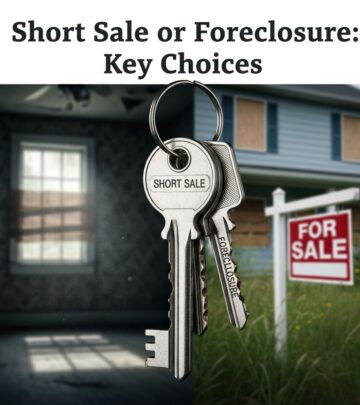
Short Sale vs. Foreclosure: Key Distinctions
Short sales preserve seller credit (drop of 100-150 points vs. 200-300 for foreclosure) and often yield habitable homes. Foreclosures auction faster but risk vacancy damage.
Common Pitfalls and How to Sidestep Them
- Incomplete paperwork: Double-check packages.
- Rigid timelines: Build in buffers.
- Overlooking liens: Insist on searches.
- Emotional bidding: Stick to data-driven offers.
Partnering with the Right Professionals
Engage:
- Short sale-savvy agents for listings and negotiations.
- Attorneys for addendums and title review.
- Lenders versed in delays.
Frequently Asked Questions (FAQs)
What financing options work best for short sales?
Conventional, FHA, or VA loans suit most, but confirm lender flexibility for timelines.
Can I back out after lender approval?
Yes, but forfeit earnest money unless contingencies apply.
How much below asking should I offer?
5-15% max, backed by comps; focus on competitiveness.
Are short sales common in 2026?
Less frequent than peaks, but persist in high-rate environments.
Do short sales affect my credit?
No, as buyer; only sellers face impacts.
Advanced Strategies for Seasoned Buyers
Target pre-approved short sales for speed. Offer escalation clauses for multiples. Use investor networks for off-market gems. Track HAFA programs if revived for streamlined approvals.
In summary, short sales reward the prepared: arm yourself with pros, docs, and patience for potential windfalls. Always tailor to local markets.
References
- Buying A Short Sale Home | How The Short Sale Process Works — The Mortgage Reports. 2023. https://themortgagereports.com/36004/how-to-buy-a-short-sale-home
- What To Consider if Buying a Short Sale Home — Chase. 2025-02-01. https://www.chase.com/personal/mortgage/education/finding-a-home/buying-a-short-sale-home
- Buying a short-sale home: Process, risks, and benefits — Better.com. 2024. https://better.com/content/buying-a-short-sale-home
- The Short Sale Workflow — National Association of REALTORS®. 2023-05-15. https://www.nar.realtor/legal/risk-management/the-short-sale-workflow
- What is a Short Sale in Real Estate? A Guide for Buyers and Sellers — Redfin. 2024. https://www.redfin.com/blog/how-to-buy-a-short-sale-home/
Similar Articles








Read full bio of Sneha Tete