Navigating Market Turbulence: 5-Step Trading Plan
Master proven techniques to trade confidently amid price swings and uncertainty, safeguarding your portfolio while seizing opportunities.

Volatile markets test even the most seasoned investors, with rapid price swings creating both risks and rewards. Success hinges on preparation, using tools like precise order types, risk controls, and a steady mindset to handle unpredictability.
Understanding Volatility Dynamics
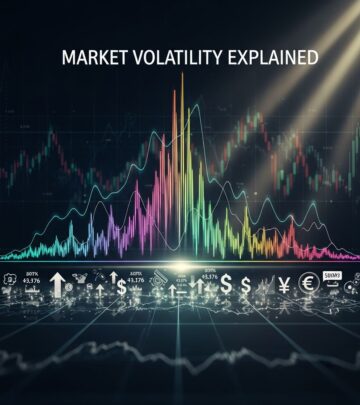
Market volatility refers to sharp, frequent price fluctuations driven by high trading volumes, news events, or economic data releases. During these periods, buy and sell orders may not match swiftly, causing execution delays and quote lags. High volumes amplify movements, as market makers struggle to balance orders, leading to one-sided trades that push prices dramatically.
Investors face heightened anxiety, but recognizing these patterns—such as intraday dips or sudden rallies—allows proactive responses. Real-time quotes often trail actual prices, underscoring the need for caution when placing trades.
Core Tools for Execution Control
In turbulent conditions, automated orders provide discipline, executing at predefined levels without emotional interference. Key types include:
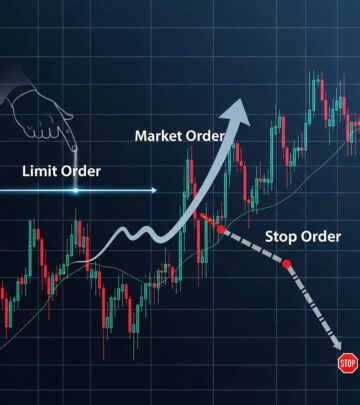
- Limit Buy Orders: Enter positions at or below a set price, ideal for buying during dips when markets overreact.
- Stop-Loss Orders: Automatically sell if prices fall to a trigger, capping losses amid reversals.
- Take-Profit Orders: Secure gains by selling at a target above entry, preventing reversals from eroding profits.
Designate orders as Good ‘Til Canceled (GTC) to persist beyond one session, capturing multi-day opportunities. Combining these forms a robust framework: buy low on pullbacks, protect downside, and harvest upside systematically.
Risk Management Essentials
Volatility magnifies losses, making risk controls non-negotiable. Reduce position sizes to limit exposure per trade, weathering swings without catastrophic hits. This applies across styles, from day trading to long-term holding.
Dollar-cost averaging smooths entries by investing fixed amounts regularly, averaging costs over fluctuations. Hedging with options or inverse ETFs offsets core portfolio risks during spikes.
| Strategy | Benefit | Example Use |
|---|---|---|
| Smaller Positions | Limits per-trade loss | Halve usual size in high VIX |
| Dollar-Cost Averaging | Averages entry prices | Weekly fixed investments |
| Hedging | Offsets declines | Buy put options on holdings |
Leverage amplifies outcomes: a 1% move becomes 10% with 10:1 ratio, demanding tighter stops. Always pair with stop-losses, scaling usage with volatility.
Technical Approaches for Volatile Assets
Volatility suits trend-following on short charts. For day trading stocks, use 5-minute views with a 10-period moving average to spot trends. Enter after consolidation (3+ sideways bars) breaks in trend direction, targeting larger moves in choppy conditions.
Trailing stops, like a 20-period moving average, lock profits dynamically. In index volatility (e.g., elevated S&P 500), constituents mirror swings, offering correlated plays. Low-volatility phases allow market-making: scalp small spreads by providing liquidity.
Maintaining Mental Resilience
Emotions like fear or greed drive errors in chaos. High-impact events (FOMC, CPI) trigger algorithmic surges, outpacing human reactions. Counter with predefined plans: avoid overtrading by sticking to rules.
Build perspective—downturns are cyclical. Focus on time in market over timing. Journal trades to review impulses, fostering discipline.
Staying Ahead with Information
Monitor news for catalysts: geopolitical shifts or earnings can pivot volatility. Adjust orders promptly to align with developments. Tools like VIX gauge fear levels; spikes signal caution, drops opportunity.
Building a Comprehensive Plan
Integrate elements into a holistic strategy:
- Assess volatility via indicators.
- Set layered orders pre-market.
- Size positions conservatively.
- Hedge selectively.
- Review post-session.
This framework adapts to swings, prioritizing capital preservation.
Frequently Asked Questions
What causes market volatility?
Triggers include economic reports, geopolitical tensions, and corporate earnings, overwhelming order matching.
Should I avoid trading in volatility?
No—prepared traders capitalize; use limits and stops to manage risks.
How do limit orders help?
They enforce price discipline, executing only at favorable levels despite delays.
Is hedging for everyone?
Suitable for portfolios; novices start simple with stops.
Can I day trade volatility?
Yes, via breakouts and trails on volatile stocks.
Long-Term Perspective in Chaos
Volatile spells pass; adhere to plans avoiding panic sells. Diversify, rebalance steadily for resilience. Volatility creates undervalued assets—patience rewards.
By mastering these tools and mindsets, investors transform turbulence into advantage, trading with precision and poise.
References
- Volatile Markets, Steady Strategies: How to Adapt and Thrive — tastylive. 2025. https://www.tastylive.com/news-insights/volatile-markets-steady-strategies-adapt-thrive
- Volatility Trading: Best Strategies & Indicators — CMC Markets. 2024-10-15. https://www.cmcmarkets.com/en-gb/trading-strategy/volatility-trading
- Trading during volatile markets — Vanguard Investor Resources. 2025-01-20. https://investor.vanguard.com/investor-resources-education/online-trading/trading-during-volatile-markets
- Mental Strategies for Managing Trades in Volatile Markets — NinjaTrader. 2024-11-05. https://ninjatrader.com/futures/blogs/mental-strategies-for-managing-trades-in-volatile-markets/
- 6 tips to manage volatile markets — Fidelity Investments. 2024-09-12. https://www.fidelity.com/viewpoints/investing-ideas/six-tips
Similar Articles








Read full bio of medha deb