Navigating Digital Higher Education Successfully
Explore how online college programs transform accessibility and affordability for modern learners.
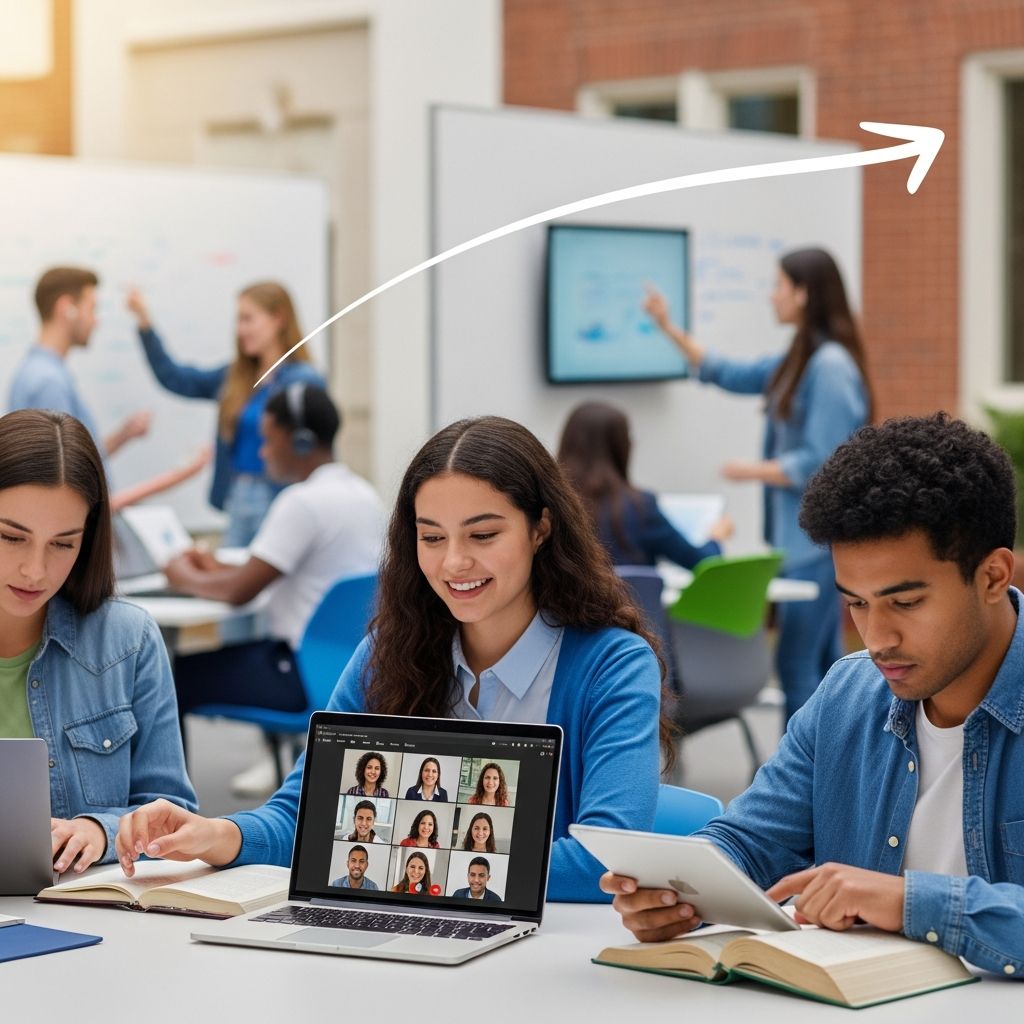
The landscape of higher education continues to evolve rapidly, with digital platforms reshaping how students access degree programs and professional certifications. Online college classes have transitioned from a niche alternative to a mainstream educational pathway, offering unprecedented opportunities for learners with diverse circumstances and commitments. Whether you’re balancing a full-time job, managing family responsibilities, or seeking geographic flexibility, understanding the advantages and practical considerations of virtual learning can help you make an informed decision about your educational future.
The Transformation of College Education in the Digital Age
Traditional brick-and-mortar education once served as the primary pathway to earning a degree. Today, accredited institutions worldwide offer comprehensive degree programs, certificates, and specialized courses entirely through digital platforms. This shift represents more than mere convenience—it reflects a fundamental change in how education delivers value to students. Modern online programs maintain the same academic rigor and credential recognition as their in-person counterparts while incorporating technological innovations that enhance the learning experience.
The infrastructure supporting online education has matured significantly, with institutions investing in learning management systems, interactive tools, and student support services designed specifically for remote learners. This evolution means that students pursuing online degrees can expect comparable educational outcomes to traditional programs while enjoying distinct advantages tailored to contemporary lifestyles.
Scheduling Freedom and Life Integration
Perhaps the most celebrated advantage of online college classes is the ability to control when and where you engage with coursework. Unlike traditional lectures held at fixed times, asynchronous online courses allow you to access materials, complete assignments, and participate in discussions according to your personal schedule. This flexibility extends beyond mere convenience—it enables you to maintain existing employment, care for family members, or pursue other meaningful activities while advancing your education.
For working professionals seeking career advancement, this scheduling autonomy proves invaluable. You can attend a morning client meeting, complete evening coursework, and spend weekends with family without sacrificing any component of your life. Similarly, parents can integrate their educational pursuits into family routines, and those managing multiple jobs can advance their qualifications without the pressure of rigid class schedules.
- Asynchronous learning: Access lectures and materials anytime within course windows
- Self-paced progression: Move through content at a speed matching your comprehension needs
- No geographic constraints: Attend class from home, during travel, or from any location with internet access
- Schedule customization: Arrange study sessions around your peak productivity hours
Financial Accessibility and Cost Reduction
Higher education costs present a significant barrier for many prospective students, making affordability a critical consideration. Online programs typically reduce or eliminate expenses that contribute substantially to the total cost of attending college. Commuting expenses disappear entirely when you study from home, and housing costs vanish for students who avoid relocating near campus.
Beyond direct tuition, many online programs leverage digital textbooks and course materials that cost substantially less than physical equivalents. Some institutions offer tuition rates that remain consistent regardless of your geographic location, meaning students in rural areas or outside the institution’s state pay identical rates to in-state students. Additionally, online learners often qualify for the same financial aid and scholarship opportunities as traditional students, further reducing their out-of-pocket expenses.
The cumulative financial impact proves significant. By eliminating commuting costs, meal plans, on-campus housing, and relocation expenses, students can earn their degree for a fraction of the cost associated with traditional programs. Some universities even offer tuition discounts specifically for online enrollment; for instance, certain institutions provide 25% discounts on online program tuition compared to on-campus equivalents.
Geographic Independence and Global Access
One fundamental constraint of traditional college education involves geography—you must live within commuting distance of campus or relocate entirely. Online education eliminates this barrier completely. Students in rural areas, those living in countries without comparable educational institutions, and individuals who move frequently can all access world-class programs through digital platforms.
This geographic independence democratizes higher education, allowing talented individuals regardless of location to pursue their educational goals. A student in a remote region gains access to the same instructors, curriculum, and resources as someone living in an urban center with multiple universities. This geographic flexibility also enables students to remain embedded in their communities and existing support networks while earning their degrees.
Career Advancement Without Interruption
Many adults pursuing higher education face a challenging choice: interrupt their careers to attend college or abandon educational advancement. Online programs eliminate this false dichotomy by allowing simultaneous career and educational development. You can maintain your current employment, continue earning income, and develop professional relationships while completing coursework toward a degree or certification.
This approach proves particularly valuable for mid-career professionals seeking specialization, credential advancement, or career transition. Rather than sacrificing years of accumulated work experience and professional relationships, online learners can strategically enhance their qualifications while remaining employed. Many employers also support employee education through tuition reimbursement programs, making online enrollment particularly attractive for those whose companies offer such benefits.
Diverse Course Offerings and Specialization Opportunities
Online education expands the universe of available courses beyond what any single institution could offer through physical classrooms. Without space constraints, institutions can offer specialized programs that might not attract sufficient local demand for in-person delivery. Whether you’re interested in emerging fields like artificial intelligence, specialized business domains, or niche professional certifications, online platforms typically provide far broader options than traditional colleges.
This expanded course variety means you can often customize your educational path more effectively than through traditional programs. Rather than settling for the nearest available option, you can select programs specifically aligned with your career goals, interests, and learning style. Many large institutions offering online education maintain extensive course libraries, sometimes including over 350 different degree and certificate options.
Development of Essential Modern Professional Skills
Beyond subject-matter knowledge, online learning naturally cultivates competencies highly valued in contemporary workplaces. Engaging successfully with online coursework requires developing strong time management skills, self-discipline, digital communication proficiency, and independent problem-solving abilities. These skills form the foundation for success in remote work environments, which increasingly represent the future of employment across multiple industries.
Online learners must navigate learning management systems, participate in virtual discussions, communicate asynchronously with instructors and classmates, and take responsibility for their own learning progress. These experiences directly translate to workplace competencies, giving online graduates practical experience with the digital tools and collaborative approaches that define modern professional environments.
Building Professional Networks and Collaborative Communities
A common misconception suggests that online learning isolates students from peer interaction and professional networking. In reality, digital platforms often create unique opportunities for connection. Online courses typically feature discussion forums, group projects, real-time chat functions, and collaborative assignments that enable meaningful interaction with classmates and instructors worldwide.
These connections extend beyond academic collaboration. Online classrooms frequently bring together professionals from diverse geographic regions and industries, creating networking opportunities that might never occur in traditional campus settings. A student in rural Alaska might collaborate on projects with peers in California, London, and Singapore, building a genuinely global professional network. These relationships often extend beyond course completion, creating lasting professional connections that benefit careers long after graduation.
Personalized Learning and Academic Support
Quality online programs recognize that virtual learning requires dedicated support infrastructure. Beyond course materials, leading institutions provide virtual academic advising, tutoring services, writing centers, career counseling, and technical support—often available through multiple communication channels. This comprehensive support system enables students to overcome obstacles that might derail traditional students.
Online platforms also accommodate diverse learning styles more effectively than lecture-based formats. Students who learn best through reading might excel with course materials, while visual learners benefit from video content, and kinesthetic learners engage through interactive simulations and practice exercises. This flexibility in delivery allows each student to engage with material in ways that optimize their comprehension and retention.
Table: Online vs. Traditional College Comparison
| Factor | Online Programs | Traditional Programs |
|---|---|---|
| Schedule Flexibility | Complete asynchronous coursework on your timeline | Attend classes at fixed times |
| Cost | Lower overall (no commuting, housing, meals) | Higher (housing, meals, commuting) |
| Geographic Flexibility | Study from anywhere with internet access | Must live near or relocate to campus |
| Career Continuity | Maintain employment while studying | Often requires educational focus |
| Course Variety | Extensive offerings without space constraints | Limited to institution’s physical capacity |
| Networking | Global peer and professional connections | Local community and alumni network |
Choosing the Right Online Program for Your Goals
With the proliferation of online education options, selecting an appropriate program requires careful consideration of several factors. Accreditation should be your first priority—ensure the institution holds regional or specialized accreditation recognized by educational authorities. This accreditation ensures that your degree will be respected by employers and recognized by other educational institutions should you pursue further study.
Evaluate the program’s curriculum to confirm alignment with your career objectives. Review course descriptions, learning outcomes, and specialization options. Investigate the qualifications of faculty members, particularly whether instructors are recognized experts in their fields rather than generalists. Look into available student support services, including academic advising, technical support, and career services. Finally, consider the program’s flexibility regarding start dates, pacing options, and opportunities to customize your educational path.
Succeeding in Online Learning Environments
While online education offers substantial advantages, success requires intentional strategies. Establish a dedicated study space free from distractions, create a realistic schedule that integrates coursework into your existing commitments, and develop systems for tracking assignments and deadlines. Actively participate in course discussions and group projects—these interactions enhance learning and prevent the isolation that sometimes accompanies online study.
Communicate proactively with instructors when you encounter challenges, utilize available support services without hesitation, and develop strong time management routines. Remember that online learning demands greater self-direction than traditional classes; however, this autonomy represents one of its greatest advantages. Your success depends primarily on your commitment and engagement rather than on external structure.
The Future of Higher Education
Online education continues expanding as institutions recognize its value and as technology enables increasingly sophisticated learning experiences. Rather than replacing traditional education, online programs now complement and coexist with in-person learning, giving students unprecedented choice in how they pursue their educational goals.
As you consider your educational pathway, recognize that online college classes represent a legitimate, respected, and increasingly popular option for earning degrees and advancing careers. The advantages—flexibility, affordability, career continuity, and access to global educational resources—address real needs faced by modern learners. By carefully selecting an appropriate program and committing to active engagement, you can leverage these advantages to achieve your educational and professional aspirations without sacrificing the other important dimensions of your life.
References
- Advantages for College Students Taking Online Classes — Lackawanna College. Accessed 2026. https://www.lackawanna.edu/advantages-for-college-students-taking-online-classes/
- 8 Advantages for College Students Taking Online Classes — University of Minnesota Online. Accessed 2026. https://online.umn.edu/story/8-advantages-college-students-taking-online-classes
- The Benefits of Learning Online — University of Kentucky Online. Accessed 2026. https://online.uky.edu/blog/benefits-learning-online
- The Top Benefits of Online Learning for College Students — Arizona State University Online. Accessed 2026. https://asuonline.asu.edu/newsroom/online-learning-tips/benefits-online-learning/
- The 10 Benefits of Online Learning — Drexel University School of Education. Accessed 2026. https://drexel.edu/soe/resources/student-teaching/advice/benefits-of-online-and-virtual-learning/
Similar Articles








Read full bio of medha deb