Navigating Your Credit Profile: Essential Guidance
Master your credit report and score with actionable strategies

Your credit profile serves as a financial fingerprint that shapes lending decisions, employment opportunities, and rental prospects. Understanding its components and managing it strategically is fundamental to achieving your financial goals. This comprehensive guide explores the critical elements of credit reporting and provides actionable insights for maintaining a healthy financial reputation.
The Foundation: Understanding Your Credit Report
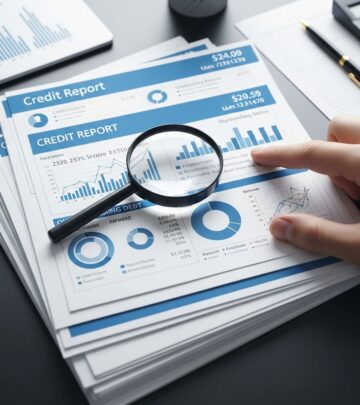
A credit report is a detailed record of your borrowing history and current financial obligations. It functions as a comprehensive statement documenting your credit activity and present credit situation, including loan repayment patterns and the status of your credit accounts. Rather than a single snapshot, your credit report evolves continuously as new financial information becomes available.
Three major credit reporting agencies, or credit bureaus, operate across the United States: Experian, Equifax, and TransUnion. These organizations compile credit information submitted by various creditors, lenders, and financial institutions into individual credit files. However, creditors are not required to report to all three bureaus, which means your credit history may vary slightly across each report.
Essential Information Found in Your Credit Report
Your credit report typically contains four primary categories of information:
- Identifying Details: Your name (including any aliases or misspellings reported by creditors), birth date, Social Security number, current and previous addresses, phone numbers, and employment history. This section remains unchanging and does not affect your credit score.
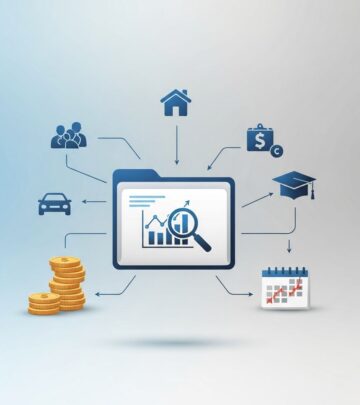
- Active and Historical Credit Accounts: A comprehensive list of your credit obligations, including credit cards, mortgages, auto loans, student loans, and other borrowing arrangements. Each entry specifies the creditor name, account number, credit limit or original loan amount, current balance, payment history, account opening date, and current status.
- Public Record Information: Records of significant financial events such as bankruptcies, tax liens, judgments, or other legal actions related to debt collection.
- Credit Inquiries: A record of entities that have recently requested access to your credit report, indicating when and why the inquiry occurred.
Notably, your credit report excludes certain personal financial information. Your marital status, annual income, bank account balances, educational background, and employment status do not appear on your report. This distinction is important, as these factors are evaluated separately by lenders during the application process.
Demystifying Credit Scores and Their Impact
While your credit report presents a detailed narrative of your borrowing behavior, your credit score condenses this information into a three-digit number that lenders use to evaluate your creditworthiness. A credit score typically ranges from 300 to 850, with higher scores indicating lower credit risk and greater likelihood of loan approval at favorable terms.
Credit scores function as predictive tools. Lenders use this number to estimate the probability that you will repay borrowed funds and make payments on schedule. The score derives entirely from information contained in your credit report, meaning that improving your report directly influences your scoring outcome.
The Dynamic Nature of Credit Scoring
Credit scores are not static numbers. Your score changes as your credit file information updates, which occurs daily as lenders report new account activity, payment history, and balance changes. Additionally, different credit scoring models may produce different scores for the same individual using the same credit file. This variation occurs because scoring companies use proprietary formulas that weight factors differently.
The credit bureaus may maintain different information about you because creditors often report to only one or two agencies rather than all three. Consequently, you actually have multiple credit scores—one for each bureau—and these may differ based on the specific data each bureau has collected.
How Lenders Utilize Your Credit Information
Understanding how lenders interpret your credit profile helps explain why maintaining good credit matters. Lenders perform several critical evaluations using your credit report and score:
- Approval Decisions: Lenders assess whether you meet their lending criteria and represent an acceptable credit risk. A strong credit profile increases approval likelihood.
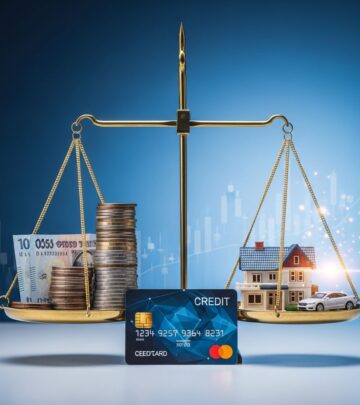
- Interest Rate Determination: Your creditworthiness directly affects the interest rate you receive. Lower scores typically result in higher borrowing costs, while excellent scores qualify you for premium rates.
- Term and Condition Setting: Beyond interest rates, lenders evaluate credit limits, repayment schedules, and other contractual terms based on your credit profile.
- Ongoing Account Monitoring: Lenders review your credit information periodically to ensure you continue meeting the original account terms and maintain acceptable credit behavior.
Beyond lending, employers may request permission to review your credit report when making employment decisions. Some landlords and property management companies also review credit reports when evaluating rental applications.
Key Sections of Your Credit Report and Their Significance
| Report Section | Contents | Importance |
|---|---|---|
| Personal Information | Name, address, SSN, birth date | Identifies you; doesn’t affect score |
| Credit Accounts | Cards, loans, payment history | Shows credit management patterns |
| Credit Limits & Balances | Available credit vs. used credit | Demonstrates financial restraint |
| Payment History | On-time vs. late payments | Most influential score factor |
| Public Records | Bankruptcies, liens, judgments | Indicates severe financial stress |
Monitoring and Maintaining Your Credit Profile
Proactive credit management requires regular monitoring and strategic attention to the information displayed on your report. You can access your credit report for free at any time without negatively impacting your credit score or report.
Regular Review Practices
The Federal Trade Commission recommends checking your credit report regularly to ensure accuracy. During your review, verify that:
- Personal information matches your records exactly
- All credit accounts listed belong to you
- Account balances and credit limits are current and correct
- Payment history accurately reflects your payment behavior
- No unauthorized inquiries appear on your report
Identifying discrepancies early allows you to dispute inaccurate information before it causes problems. Under the Fair Credit Reporting Act, credit bureaus must ensure the information they collect about you is accurate.
Addressing Inaccuracies Through Dispute Processes
If you discover incorrect information on your credit report, you have the right to dispute it with the credit bureau. This formal process requires submitting documentation supporting your claim and providing specific details about the inaccuracy. The credit bureau must investigate and respond within a specified timeframe.
Special circumstances may require dispute resolution. For example, following a divorce, the only method to remove an ex-spouse’s name from your credit report is through the formal dispute process, even if that person no longer has responsibility for the account.
Building and Strengthening Your Credit Profile
A healthy credit profile develops through consistent financial responsibility over time. Several strategies demonstrate creditworthiness:
- Timely Payment Execution: Paying all bills by their due dates is paramount. Payment history significantly influences credit scoring and demonstrates reliability to lenders.
- Strategic Credit Utilization: Using a smaller portion of your available credit shows financial restraint and reduces perceived risk. This metric, known as credit utilization, is more favorable at lower percentages.
- Long-Term Account Maintenance: Keeping credit accounts open, especially older ones with positive payment histories, strengthens your credit profile by demonstrating sustained responsible credit management.
- Diverse Credit Mix: Maintaining different types of credit accounts—such as revolving credit (credit cards) and installment loans (mortgages, auto loans)—shows you can manage various credit obligations successfully.
Frequently Asked Questions About Credit Reports
How often should I check my credit report?
The Federal Trade Commission suggests checking your credit report at least annually. However, monitoring more frequently—such as quarterly reviews—allows you to identify and address issues more quickly. Many online services now offer free monthly monitoring through the three major credit bureaus.
Will checking my own credit report hurt my score?
No. Accessing your own credit report is classified as a “soft inquiry” and does not impact your credit score. Only “hard inquiries” initiated by creditors when you apply for new credit potentially affect your score.
Why do my credit scores differ between bureaus?
Since creditors report to different bureaus, each maintains slightly different information about your credit history. Additionally, different scoring models may calculate scores using different formulas, leading to variation even with identical credit file information.
Can I remove accurate negative information from my report?
Negative but accurate information remains on your report for specific timeframes. Late payments typically appear for seven years, while bankruptcies may remain for seven to ten years depending on the type. Once the timeframe expires, the information automatically falls off your report.
Taking Control of Your Financial Future
Your credit report and score represent more than abstract numbers—they are tangible reflections of your financial decision-making and responsibility. By understanding what information appears on your report, how it influences lending decisions, and what actions strengthen your profile, you position yourself for better financial opportunities.
The journey toward credit excellence begins with knowledge and continues through consistent, responsible financial behavior. Regular monitoring ensures accuracy, disputing errors protects your interests, and strategic credit management demonstrates your reliability to lenders, employers, and other entities that evaluate your creditworthiness. Your credit profile is a tool you control through daily financial choices.
References
- Credit Report Basics — Experian. Accessed via https://www.experian.com/blogs/ask-experian/credit-education/report-basics/
- Money Basics Guide to Building and Maintaining Credit — National Credit Union Administration. Accessed via https://mycreditunion.gov/brochure-publications/brochure/money-basics-guide-building-and-maintaining-credit
- Understanding Your Credit, Credit Score, & Credit Report — Bank of America. Accessed via https://www.privatebank.bankofamerica.com/financial-education/credit.html
- What is a credit report? — Consumer Financial Protection Bureau. Accessed via https://www.consumerfinance.gov/ask-cfpb/what-is-a-credit-report-en-309/
- Understanding Your Equifax Credit Report — Equifax. Accessed via https://www.equifax.com/personal/education/credit/report/
- How to Read a Credit Report — CrossCountry Mortgage. Accessed via https://crosscountrymortgage.com/mortgage/resources/how-to-read-a-credit-report/
- Understanding Your Credit — Federal Trade Commission Consumer Advice. Accessed via https://consumer.ftc.gov/articles/understanding-your-credit
Similar Articles








Read full bio of medha deb