Miami International Airport: Essential Tips For Smooth Travel
Complete guide to terminals, amenities, and efficient airport navigation.
Miami International Airport (MIA) ranks among the busiest aviation hubs in the United States, serving as a crucial gateway to Latin America and the Caribbean. The airport welcomes nearly 100 airlines operating flights to cities worldwide, making it an essential transit point for millions of travelers annually. Understanding the airport’s structure, services, and transportation options can significantly enhance your travel experience, whether you’re embarking on a leisure trip, conducting business, or simply passing through during a layover.
Understanding the Airport Layout and Terminal Structure
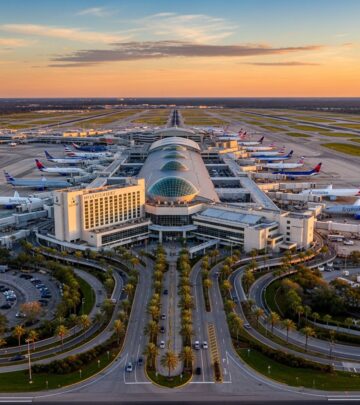
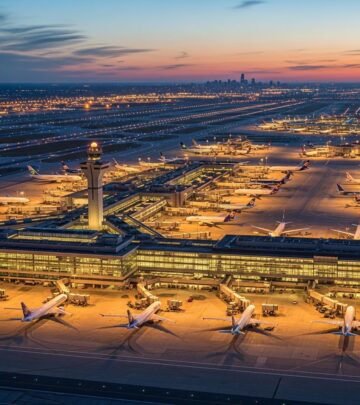
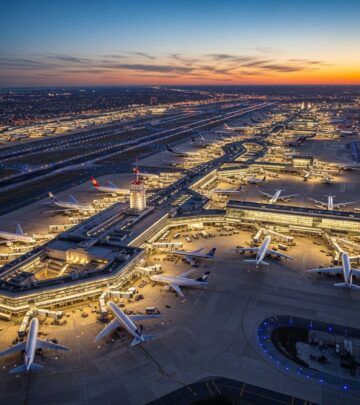
Miami International Airport features a distinctive U-shaped design that fundamentally shapes how passengers navigate the facility. The airport comprises three main terminals—North, Central, and South—organized into six separate concourses designated D, E, F, G, H, and J. This configuration might initially seem confusing, but once you grasp the basic layout, moving through the airport becomes straightforward.
All three terminals connect seamlessly at Level 3 through moving walkways, allowing passengers to transition between concourses without exiting the airport. Within each terminal, the arrangement follows a consistent pattern: Level 1 handles arrivals and baggage claim operations, Level 2 accommodates departures and ticketing services, and Level 3 provides access to terminal connections and the MIA Mover transit system. This logical organization helps travelers locate services quickly and efficiently.
The North Terminal houses Concourse D, which operates as the most extensive concourse at the airport. The Central Terminal contains Concourses E, F, and G, with each concourse offering its own complement of shops and restaurants both inside and outside the secure area. The South Terminal provides direct access to Concourses H and J, where most of the dining and shopping amenities for these sections are concentrated.
Exploring Concourse Operations and Flight Types
Each concourse at Miami International Airport specializes in specific flight operations, which helps the airport manage domestic and international traffic efficiently.
- Concourse D (North Terminal): Operates both domestic and international flights, serving as the primary hub for several major carriers.
- Concourse E (Central Terminal): Features 18 gates across the main concourse and a satellite building accessible via walking paths or train service, handling both domestic and international operations.
- Concourse F (Central Terminal): Manages both domestic and international flights with integrated shopping and dining facilities.
- Concourse G (Central Terminal): Dedicated primarily to domestic flight operations.
- Concourse H (South Terminal): Accommodates both international and domestic flights with direct security checkpoint access.
- Concourse J (South Terminal): Operates international and domestic services with a connecting walkway to Concourse H within the secure area.
This specialization ensures efficient passenger flow and allows the airport to optimize gate usage based on flight volumes and destinations. Understanding which concourse your flight departs from helps you plan your arrival time and navigate the airport more effectively.
Security Checkpoints and Processing Facilities
Miami International Airport operates multiple security checkpoints strategically positioned throughout the facility to manage passenger flow efficiently. The North Terminal operates security checkpoints serving Concourse D, while the Central Terminal features checkpoints for Concourses E, F, and G. The South Terminal provides access to security for Concourses H and J, including a 24-hour checkpoint connecting both concourses.
Security wait times fluctuate throughout the day, influenced by flight schedules and passenger volumes. Understanding when waves of international arrivals occur can help you anticipate longer processing times, particularly when multiple international flights land simultaneously. Planning to arrive at your departure gate at least 90 minutes before domestic flights and 120 minutes before international flights provides a comfortable buffer for security processing.
For international connections, customs and immigration processing becomes a critical factor in determining whether your layover allows sufficient time for a comfortable transition. The airport maintains three U.S. Immigration and Customs facilities located at Concourse D (Level 1), Concourse E (Level 1), and Concourse J (Level 3). Processing times vary dramatically from 30 minutes to over two hours, depending on arrival patterns and staffing levels.
Efficient Transportation Within the Airport
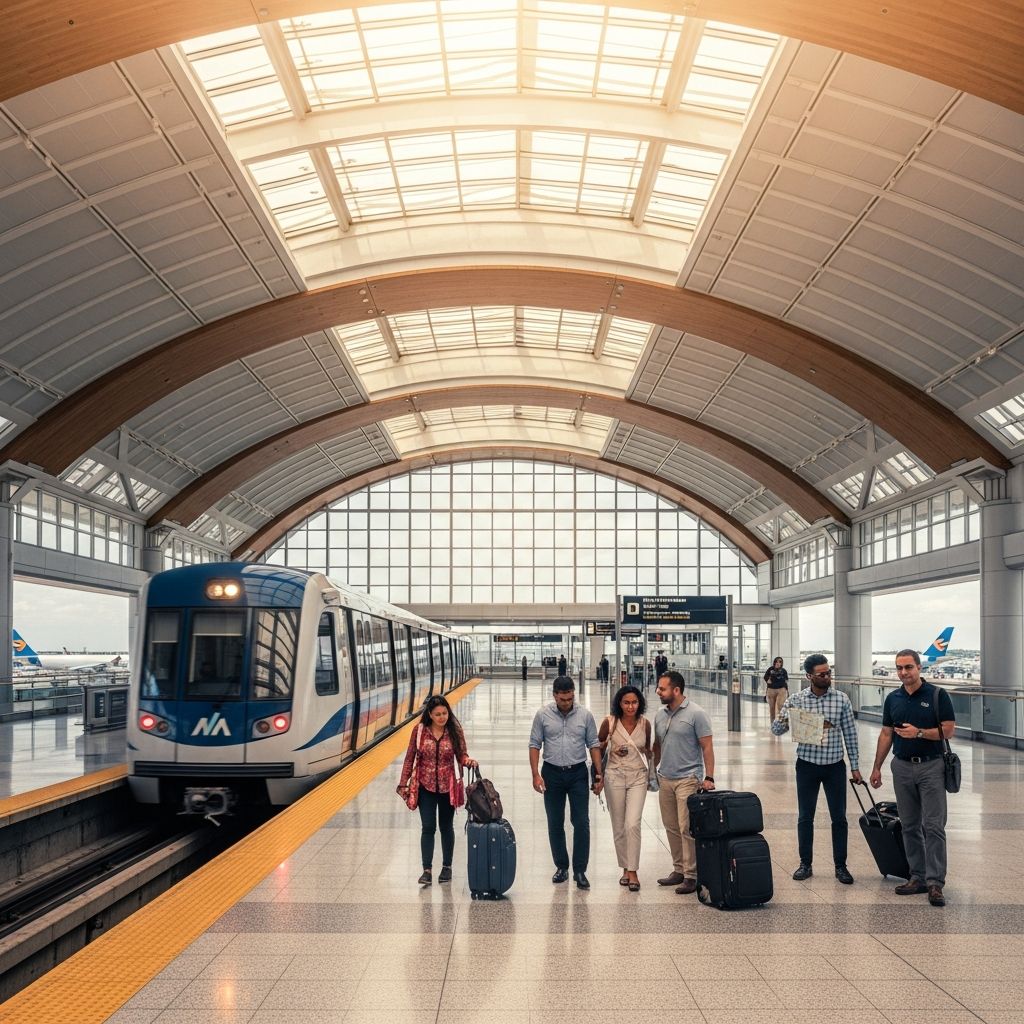
Navigating within the airport efficiently requires understanding the various transportation options available to passengers. Concourse D spans approximately one mile from end to end, making it the most challenging to traverse on foot. The Skytrain system operates above this concourse with four stations and trains departing every 2-3 minutes, reducing what would be a 30-minute walk to just 5 minutes. This innovative transit system makes moving through the North Terminal significantly more convenient.
For transitions between terminals, moving walkways on Level 3 provide seamless connections. These automated walkways eliminate the need to negotiate stairs or escalators while carrying luggage, making the journey more comfortable and faster than walking independently.
Ground Transportation Options for Airport Access
Reaching Miami International Airport from various locations throughout South Florida requires understanding the different ground transportation available and the routes serving each origin point. The airport’s location at 2100 NW 42nd Avenue in Miami provides accessible entry points from multiple directions.
Arriving from Downtown Miami: Travelers from downtown should take I-395 North, transitioning to FL-836 West while following airport signage. The route involves exiting toward NW 14th Street and continuing to Airport North, ultimately merging onto NW 25th Street for airport access. This route typically takes 15-25 minutes depending on traffic conditions.
Arriving from South Beach: The MacArthur Causeway provides a scenic route toward I-395 West. From South Beach, travelers continue on I-395 West until transitioning to FL-836 West, then following NW 37th Avenue toward Florida 953 and merging onto NW 14th Street. This route covers roughly 10-15 miles and typically requires 20-35 minutes during normal traffic periods.
Arriving from Fort Lauderdale: For travelers coming from Fort Lauderdale, I-95 South provides the primary route. This toll route involves transitions to I-95 Express and FL-112 West, ultimately reaching the airport facilities. The distance spans approximately 30 miles and typically requires 35-50 minutes in standard traffic conditions.
Traffic conditions at Miami vary considerably based on time of day. Midday and evening rush hours, particularly between 7-9 a.m. and 4-7 p.m., can substantially increase drive times. Planning departures during off-peak hours whenever possible can reduce travel stress and ensure timely airport arrival.
Beyond Driving: Alternative Transportation Methods
Beyond personal vehicles, Miami International Airport accommodates multiple ground transportation options serving different traveler preferences and budgets.
| Transportation Method | Advantages | Considerations |
|---|---|---|
| Rental Cars | Maximum flexibility for exploring Miami and surrounding areas; convenient for multi-stop trips | Parking fees; navigation in unfamiliar area; traffic congestion during peak hours |
| Ride-Share Services | Door-to-door convenience; no parking concerns; familiar driver interfaces | Peak pricing during busy hours; wait times vary; surge pricing may apply |
| Taxi Services | Readily available at terminal ground levels; regulated pricing; professional drivers | Typically more expensive than ride-shares; less flexible scheduling |
| Shuttle Services | Economical for groups; scheduled routes to hotels and attractions; baggage handling assistance | Multiple stops may extend travel time; less privacy; fixed schedules |
| Public Transit | Most economical option; environmental benefits; no driving stress | Limited route coverage; longer travel times; less convenient for heavy luggage |
Airport Amenities and Services
Miami International Airport offers comprehensive amenities designed to enhance passenger comfort during their time at the facility. The airport features diverse dining establishments throughout its terminals, including restaurants specializing in Cuban cuisine that reflect Miami’s cultural heritage. These dining options range from quick-service establishments to full-service restaurants, accommodating various budgets and preferences.
Shopping opportunities abound at the airport, with retail stores, duty-free shops, and specialty boutiques located throughout the terminals. Passengers can browse merchandise during layovers or purchase last-minute travel essentials.
For relaxation and wellness, the airport provides a spa facility where passengers can receive massages, grooming services, or other rejuvenating treatments. The Multi-faith Chapel offers a quiet space for meditation, prayer, or reflection, serving passengers of all faith backgrounds. This dedicated space acknowledges the diverse spiritual needs of the airport’s international passenger base.
Art exhibitions throughout the terminals add cultural enrichment to the airport experience, transforming it from merely a functional facility into a venue for artistic appreciation. These rotating exhibitions feature works from local and international artists.
Lounge Access and Premium Services
Travelers seeking enhanced comfort during their airport time can access various lounge facilities offering complimentary beverages, snacks, and comfortable seating. The Turkish Airlines Lounge operates in Concourse E at Level 2 (daily 5 a.m. to 10 p.m.) and in Concourse H at Level 3 (daily 4 a.m. to 10 p.m.). The VIP Lounge by LATAM operates in Concourse J opposite gate J6, with extended hours supporting late-night and early-morning flights. Lounge access typically requires premium airline status, business or first-class tickets, or specific credit card memberships.
Special Considerations for International Travelers
International travelers face unique requirements and processing steps that differ from domestic passenger experiences. Understanding these procedures helps manage expectations and plan appropriate time buffers between flights.
Upon arriving at Miami International Airport from international destinations, passengers must clear U.S. Immigration and Customs before proceeding to baggage claim or connecting flights. This mandatory process can significantly extend connection times, particularly during peak arrival windows when multiple international flights land simultaneously. Processing times range from 30 minutes during quiet periods to over two hours during peak windows, influenced by staffing levels, passenger volumes, and procedural efficiency.
International passengers connecting to domestic flights must reenter the terminal, collect their baggage, clear customs, recheck baggage for domestic connections, and re-clear security—a multi-step process that typically requires 120-180 minutes minimum. Building substantial buffer time into international connection itineraries prevents missed flights and reduces travel stress.
Maximizing Layover Time
Long layovers at Miami International Airport need not feel burdensome. The airport’s comprehensive amenities allow passengers to rest, refresh, and explore cultural attractions without excessive hassle.
For layovers under two hours, focus on proceeding directly to your connecting gate after clearing security, particularly for international connections requiring customs processing. Brief walk-around stretching and hydration suffice for these shorter stops.
For layovers of 2-4 hours, passengers have time to explore concourse dining and shopping while remaining close to gate areas. The spa facilities allow quick refresh treatments, and the chapel provides peaceful respite.
For layovers exceeding 4-5 hours, passengers might consider day-use hotel facilities near the airport for proper rest, or venture into nearby Miami neighborhoods to experience the local culture. Return transportation back to the airport should factor in traffic variability and security processing delays.
Digital Resources and Navigation Aids
Miami International Airport provides digital resources that enhance passenger navigation and experience. The airport’s MIA Discover platform offers a 3D route map displaying all 191 nonstop destinations available from the airport. This interactive resource helps passengers understand available flight options and plan future travel more effectively.
Interactive maps accessible through the airport’s website and mobile applications display gate locations, shop and restaurant positions, service facilities, and parking information. The Skytrain system is highlighted on these maps along with operating hours, helping passengers plan efficient Concourse D navigation.
Nursing suite locations are marked on maps for passengers traveling with infants or nursing needs. Parking location maps help drivers identify lots closest to their departure terminal, reducing walking distances with luggage.
Practical Tips for a Smooth Airport Experience
- Arrive at the airport with adequate time: 90 minutes for domestic flights, 120+ minutes for international flights
- Check which concourse your flight departs from before arriving at the airport
- Use the Skytrain in Concourse D to save time and reduce walking fatigue
- Plan drive times to the airport accounting for rush hour traffic patterns
- For international connections, add extra buffer time beyond minimum connection times
- Explore dining and shopping options during layovers to make downtime enjoyable
- Use airport digital resources and maps to familiarize yourself with layout before arrival
- Consider lounge access for longer layovers if eligible through airline status or credit cards
- Allow extra time during peak evening hours (4-7 p.m.) for security re-entry
Conclusion
Miami International Airport serves as a modern, well-organized aviation facility that efficiently manages millions of passengers annually while providing comprehensive amenities for comfort and convenience. Understanding the airport’s three-terminal structure, concourse organization, ground transportation options, and available services transforms what might seem like a complex facility into a navigable, even enjoyable environment. Whether you’re departing on an exciting journey, arriving in South Florida, or passing through during a connection, Miami International Airport offers the infrastructure and services necessary for a smooth travel experience. By familiarizing yourself with these details before your trip, you can move through the airport confidently and focus your energy on the adventure ahead.
Frequently Asked Questions
How do I get between terminals at Miami International Airport?
Moving walkways on Level 3 connect all three terminals seamlessly. The MIA Mover transit system also provides connections. For Concourse D specifically, the Skytrain offers rapid transportation above the concourse with stations every few hundred feet.
What is the fastest way through Concourse D?
The Skytrain system operates above Concourse D with trains departing every 2-3 minutes. This reduces a typical 30-minute walk to approximately 5 minutes, making it the preferred method for traversing this expansive concourse.
How long does international customs processing take at MIA?
Processing times range from 30 minutes to over two hours, depending on arrival volumes, staffing levels, and how many international flights land simultaneously. Always plan for extended processing times during peak hours.
Where should I go for a rest during a long layover?
The airport offers lounge access for premium ticket holders, a spa for massage and wellness treatments, and the Multi-faith Chapel for quiet reflection. Day-use hotels near the airport are also available for longer rests.
What ground transportation options are available to reach the airport?
Options include rental cars, ride-share services, taxis, shuttle services, and public transit. Each option offers different advantages regarding flexibility, cost, and convenience depending on your specific needs.
References
- Miami International Airport Terminal Guide — Upgraded Points. 2026. https://upgradedpoints.com/travel/airports/miami-international-mia-airport/
- Miami International Airport (MIA) Map 2026 — GETAWAYK. 2026. https://www.getawayk.com/places/north-america/usa/florida/miami/maps/miami-international-airport
- Sleep, Shower, or Relax at MIA Airport During a Layover 2026 — Hotels by Day. 2026. https://www.hotelsbyday.com/blog/miami-airport-layover-guide/
- Miami International Airport — Miami and Beaches. 2026. https://www.miamiandbeaches.com/plan-your-trip/transportation/miami-international-airport
- Maps – Miami International Airport — Miami International Airport Official Site. 2026. https://www.miami-airport.com/maps.asp
- Spring into your 2026 travel plans with the MIA Discover guide — Miami International Airport News. 2026. https://news.miami-airport.com/spring-into-your-2026-travel-plans-with-the-mia-discover-guide/
Similar Articles








Read full bio of medha deb