Natural Gas Liquids: Definition, Types, and Uses
Understanding NGLs: The valuable hydrocarbon byproducts extracted from natural gas.
What Are Natural Gas Liquids?
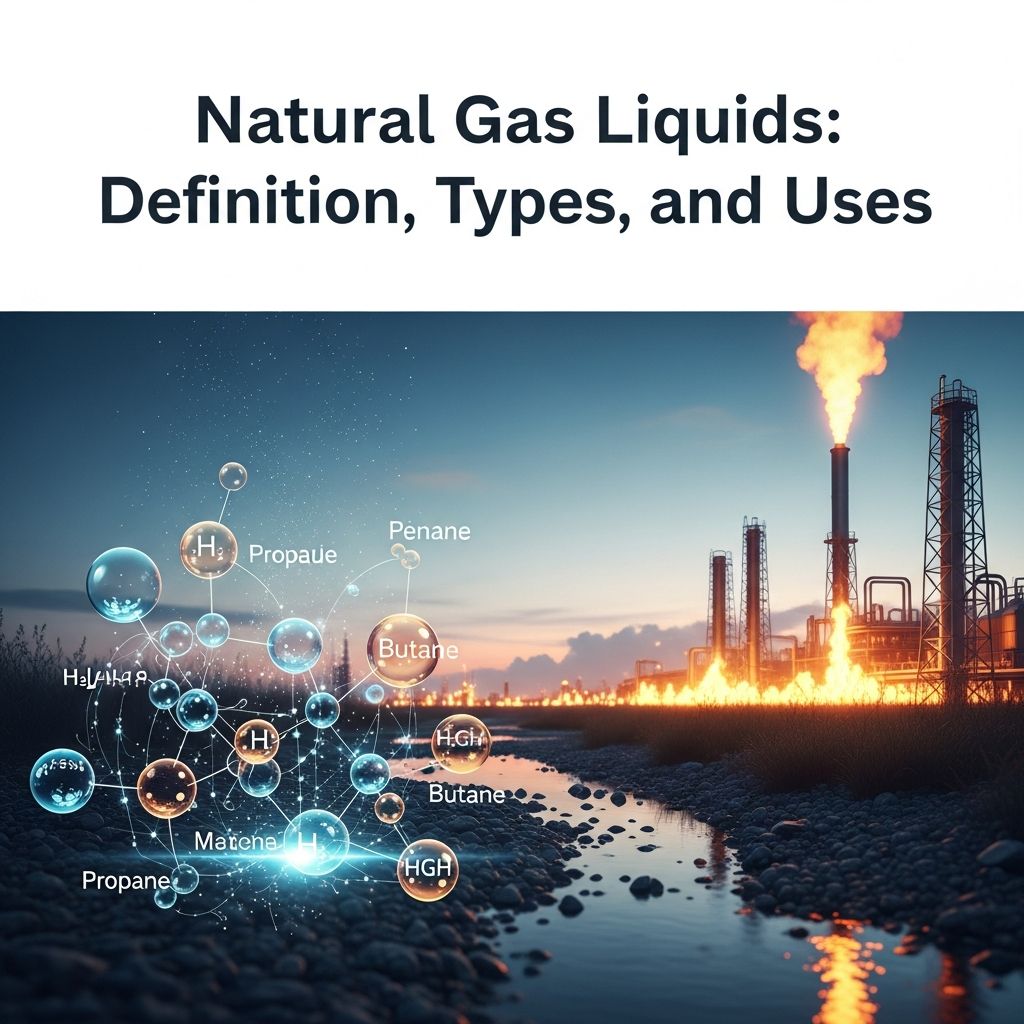
Natural gas liquids (NGLs) are a group of hydrocarbons that exist as gases under natural underground pressure but transform into liquids at atmospheric pressure and moderate temperatures. These valuable compounds are extracted from natural gas streams during production and processing operations. NGLs represent a significant economic byproduct of natural gas extraction, constituting approximately 10-30% of the total natural gas composition, while the remaining 70-90% consists primarily of methane. Understanding NGLs is essential for energy professionals, investors, and consumers seeking to comprehend the complexities of the modern energy industry.
Composition and Types of Natural Gas Liquids
Natural gas liquids are composed of various hydrocarbon molecules, each with distinct properties and applications. The primary NGL components include ethane, propane, butane, isobutane, pentane, and natural gasoline. These compounds differ in molecular weight and boiling points, characteristics that are crucial for their separation and subsequent processing.
Primary NGL Components
Ethane is the lightest NGL component and serves as a critical feedstock for petrochemical facilities. Although ethane cannot be readily liquefied by pressure alone at ambient temperature like propane and butane, it is still classified as an NGL component. Propane and butanes (both normal butane and isobutane) are heavier molecules that liquefy more readily and have widespread commercial applications. Natural gasoline, also known as pentanes plus, represents the heaviest component of the NGL stream and possesses the highest commercial value per unit volume.
Distinguishing Wet and Dry Gas
Natural gas composition varies significantly by geographic region, geological age of deposits, and extraction depth. Gas that contains substantial quantities of NGLs and condensates is classified as wet gas, while gas composed primarily of methane with minimal liquid content upon extraction is termed dry gas. This distinction has important implications for processing requirements and economic recovery.
Extraction and Processing of NGLs
The journey from raw natural gas to separated NGL components involves sophisticated processing techniques and multiple separation stages.
Initial Treatment Steps
When natural gas emerges from the wellhead, it contains various undesirable substances alongside valuable NGLs. The initial processing stage focuses on removing crude oil and water either at the wellhead or at a nearby processing facility. These preliminary steps prevent corrosion and damage to downstream equipment while preparing the gas stream for more specialized processing.
Natural Gas Processing Facilities
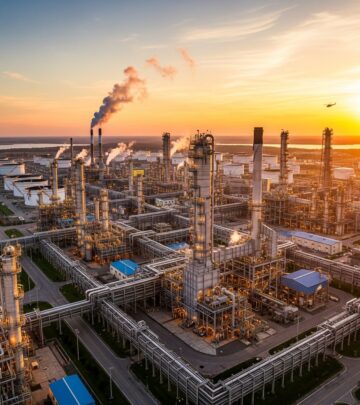
Once natural gas reaches a dedicated processing facility, technicians remove additional non-NGL components including sulfur, helium, and carbon dioxide. Only after these impurities are eliminated does the facility proceed with NGL extraction. Processing plants employ several primary methods to extract NGLs from natural gas streams:
Compression adds pressure to the gas, causing heavier liquid components to condense and fall out of the vapor phase, producing what is commonly called natural gasoline or “drip gas.” Cryogenic expansion achieves separation by freezing heavier components while maintaining methane in its gaseous state. Fractionation heats the hydrocarbon stream and separates components based on their distinct boiling points, with each fractionation stage targeting specific molecules.
Fractionation and Component Separation
The fractionation process represents the most sophisticated stage of NGL processing. Since each hydrocarbon molecule possesses a unique boiling point, the combined NGL stream passes through multiple fractionators, each operating at different temperatures. This process systematically removes individual components, typically beginning with the lightest hydrocarbons (ethane) and progressing toward heavier molecules (propane, butane, and isobutane). After these NGLs are separated and natural gas meets the pipeline quality standards for its intended destination, the remaining dry natural gas is distributed to utilities, power generators, and industrial customers.
Raw Make and Fractionated Products
When NGLs are initially extracted from natural gas at processing plants, they emerge as a combined stream called “raw make” or “y-grade.” This mixed stream resembles a rope composed of different strands—each strand representing a different hydrocarbon component. The fractionation process separates these strands into individual products meeting purity standards.
Purity Standards
Pure natural gas liquids contain at least 90% of a single primary molecule type and include ethane, propane, normal butane, and isobutane in their refined form. Mixed natural gas liquids, containing at least two different types of primary molecules, include ethane/propane (EP) mixtures and natural gasoline. This distinction ensures that customers receive products meeting their specific technical and commercial requirements.
Commercial Applications and Uses of NGLs
Natural gas liquids serve as essential feedstocks and fuels across multiple industrial sectors, driving significant economic value throughout the energy industry.
Petrochemical Feedstocks
Ethane, derived from NGLs, serves as a primary feedstock for ethylene production, one of the most important basic chemicals in the petrochemical industry. Beyond ethylene, NGLs generate numerous chemical derivatives including propylene, benzene, methanol, and butadiene. These compounds form the building blocks for countless consumer products and applications that people use daily, from plastics and pharmaceuticals to cosmetics and synthetic fibers.
Liquefied Petroleum Gas (LPG) Applications
Propane, butane, and isobutane derived from NGLs constitute liquefied petroleum gas (LPG), with the term “petroleum” reflecting that these products can also originate from crude oil refining. LPG serves critical functions in heating and cooking applications worldwide and is commonly distributed as “bottled gas.” The versatility of LPG extends to industrial heating, vehicle fuel, and agricultural applications, making it an indispensable energy commodity.
Energy and Fuel Applications
Beyond their petrochemical uses, NGLs serve as energy sources for various industrial processes and consumer applications. The ability to liquefy these compounds enables efficient storage and transportation, making them economically viable even in remote locations distant from natural gas pipelines.
Distinguishing NGLs from Related Products
The energy industry includes several related but distinct products that are frequently confused with NGLs, each serving different purposes and markets.
Natural Gas Liquids versus Liquefied Natural Gas (LNG)
A critical distinction exists between NGLs and liquefied natural gas (LNG), despite their similar terminology. LNG is not an NGL but rather liquefied methane, the primary component of natural gas that remains after most NGLs are extracted from the gas stream. When natural gas is cooled to approximately minus 161 degrees Celsius (minus 256 degrees Fahrenheit), it liquefies and becomes LNG, a fuel with domestic, international, industrial, and transportation applications. Liquefied natural gas occupies only about 1/600th the volume of the same quantity of gaseous natural gas, explaining the practical advantages of liquefaction for long-distance transportation and storage.
Natural Gas Liquids versus Liquefied Petroleum Gas (LPG)
LPG represents a subset of NGLs rather than a distinct product category. Three of the purity natural gas liquids—propane, normal butane, and isobutane—receive the dual classification of being sold as liquefied petroleum gas. However, not every NGL qualifies as an LPG, since ethane and natural gasoline, while classified as NGLs, are not typically marketed as LPG. This distinction reflects different liquefaction requirements and commercial applications, with LPG products liquefying at temperatures between minus 43 and 31 degrees Fahrenheit.
Economic Significance of NGLs
Natural gas liquids represent substantial economic value in global energy markets. The extraction and processing of NGLs requires significant capital investment in specialized equipment and processing facilities, but the returns justify these expenditures. NGL revenues often represent 20-40% of total natural gas production value, depending on commodity prices and composition factors. The petrochemical industry’s dependence on ethane feedstock creates consistent demand, while propane and butane markets fluctuate with seasonal heating needs and industrial activity levels.
Geographic Variations in NGL Composition
NGL composition varies significantly across different geographic regions and geological formations. Shallow deposits in sedimentary basins often contain higher NGL yields than deep offshore formations. Regional variations in NGL composition influence processing strategies, equipment specifications, and product yields. Understanding these geographic factors is essential for producers optimizing extraction and processing operations.
Frequently Asked Questions
Q: What percentage of natural gas comprises NGLs?
A: Natural gas typically contains 10-30% NGLs by volume, with the remaining 70-90% consisting primarily of methane. The exact percentage varies depending on geographic location, geological age of the deposit, and extraction depth.
Q: How do NGLs differ from crude oil?
A: NGLs are hydrocarbon liquids extracted from natural gas streams, while crude oil is extracted from underground reservoirs through different wells and processes. Although both are petroleum products, they originate from different sources and require distinct refining processes.
Q: Why is fractionation necessary for NGL processing?
A: Fractionation separates mixed NGLs into individual components because each molecule has different commercial applications and value. This separation is achieved by exploiting the different boiling points of ethane, propane, butane, and other components.
Q: What is the primary use of ethane derived from NGLs?
A: Ethane serves primarily as a feedstock for ethylene production in petrochemical facilities. Ethylene is one of the most important basic chemicals used in manufacturing plastics and numerous consumer products.
Q: Are all natural gas liquids liquefied petroleum gas?
A: No, not all NGLs are classified as LPG. While propane, butane, and isobutane qualify as both NGLs and LPG, ethane and natural gasoline are NGLs but are not typically marketed as LPG due to different liquefaction requirements and applications.
Q: How does temperature affect NGL behavior?
A: NGLs condense into liquids as temperatures decrease and pressures increase. Different NGL components have different dew points, meaning they condense at different temperatures—a principle that forms the basis for fractionation-based separation processes.
Q: What impurities are removed during natural gas processing?
A: Processing facilities remove water, oil, sulfur, helium, nitrogen, carbon dioxide, and hydrogen sulfide from raw natural gas before and during NGL extraction. These impurities can cause corrosion and equipment damage if left in the gas stream.
References
- NGL – Natural Gas Liquids — SafeRack. 2024. https://saferack.com/glossary/ngl-natural-gas-liquids/
- NGL or LPG or LNG – Definitions and Common Uses — OPIS. 2024. https://www.opis.com/blog/ngl-or-lpg-or-lng/
- Natural Gas Liquids — Pennsylvania State University, FSC 432: Petroleum Refining. 2024. https://courses.ems.psu.edu/fsc432/content/natural-gas-liquids
- NGL 101- The Basics — U.S. Energy Information Administration (EIA). 2024. https://www.eia.gov/conference/ngl_virtual/eia-ngl_workshop-anne-keller.pdf
- What are NGLs in Oil and Gas Production? — Kimray. 2024. https://kimray.com/training/what-are-ngls-oil-and-gas-production
- Natural Gas Liquids (NGL) Supply and Disposition Model — Canada Energy Regulator. 2023. https://www.cer-rec.gc.ca/en/data-analysis/canada-energy-future/2023-modeling-methods/natural-gas-liquids/
Similar Articles








Read full bio of Sneha Tete