Natural Disasters and Comprehensive Car Insurance
Discover how comprehensive car insurance safeguards your vehicle against floods, hurricanes, earthquakes, and more natural calamities.
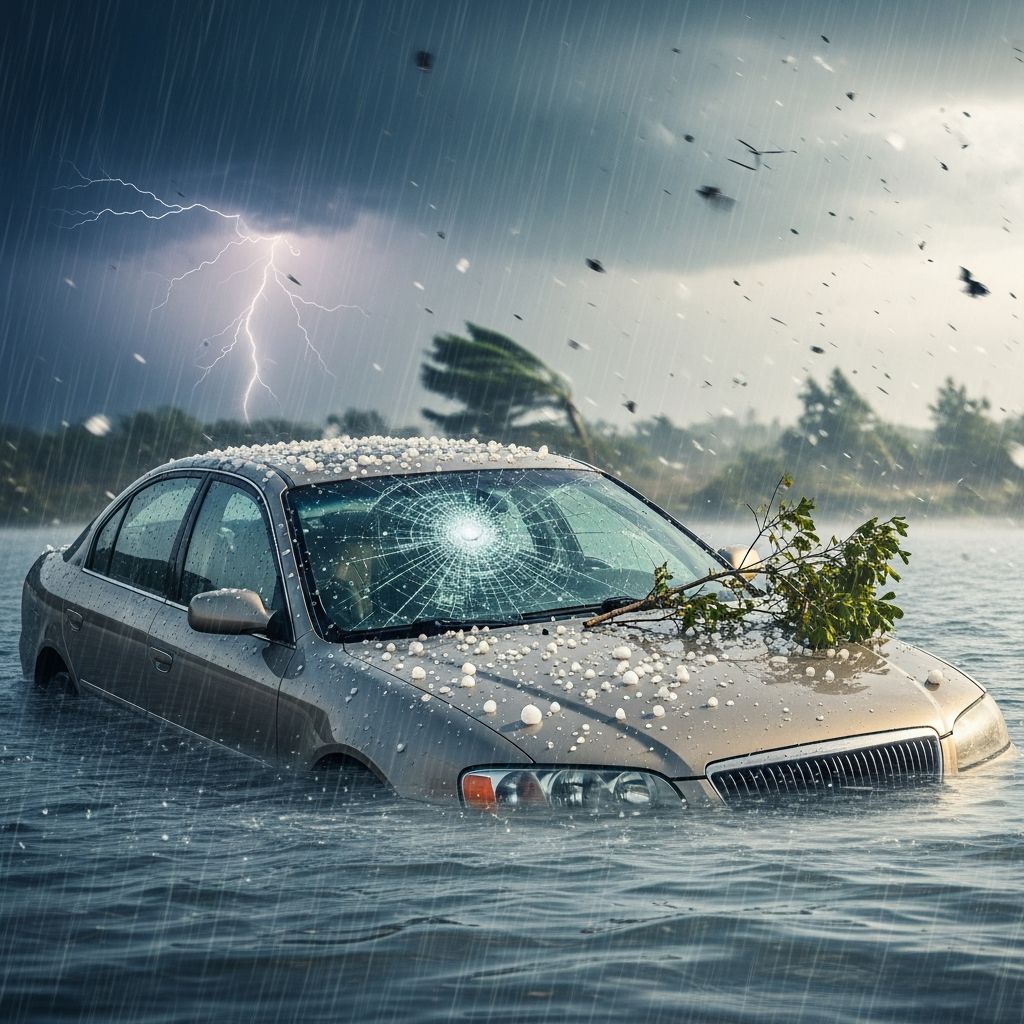
Vehicle owners facing the threat of natural disasters need reliable protection beyond basic liability coverage. Comprehensive car insurance steps in to handle damages from events like floods, high winds, and falling debris, offering financial relief when collisions aren’t the cause.
Understanding Comprehensive Coverage Basics
Comprehensive insurance is an optional add-on to standard auto policies, designed to cover non-collision incidents. This includes theft, vandalism, animal strikes, and crucially, natural disasters classified as ‘acts of God.’ Unlike liability or collision, which focus on accidents with other vehicles, comprehensive addresses uncontrollable environmental hazards.
Most insurers define natural disasters broadly, encompassing weather-related perils that damage vehicles without driver fault. However, coverage isn’t universal—policyholders must actively elect this protection, often required by lenders for financed cars.
Key Natural Disasters Covered by Comprehensive Policies
Comprehensive coverage typically safeguards against a range of catastrophic events. Here’s a breakdown of common scenarios:
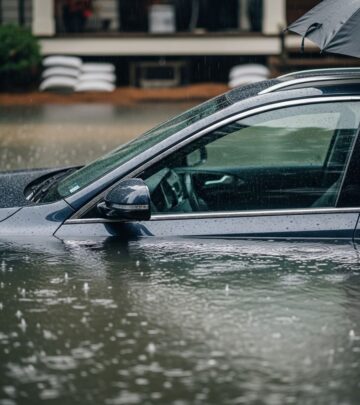
- Flooding: Water intrusion from heavy rains, storm surges, or burst dams can ruin engines and interiors. Coverage applies unless negligence, like driving into deep water intentionally, is proven.
- Hurricanes and Tropical Storms: High winds, flying objects, and associated flooding fall under comprehensive, covering repairs from debris impacts or structural failures.
- Earthquakes: Ground shaking leading to fallen poles, fires, or landslides is protected, vital in seismic zones.
- Tornadoes: Wind shear, uplift, and projectile debris damage is standardly included.
- Wildfires: Direct flame exposure, smoke corrosion, or even firefighter actions during suppression are compensable.
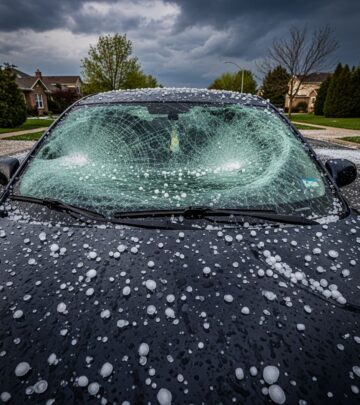
- Hailstorms: Dents and cracked glass from ice pellets qualify for repair payouts.
These protections extend to secondary effects, like mold from floodwaters or electrical failures post-quake, provided the root cause aligns with policy terms.
Critical Limitations and Exclusions
While broad, comprehensive insurance has boundaries. Negligence voids claims—examples include leaving windows open during rain or parking in known flood-prone areas deliberately. Mechanical breakdowns exacerbated by disasters aren’t covered; only direct peril damage qualifies.
Policies may exclude specific regional risks, such as sinkholes in certain states, requiring riders for full protection. Wear-and-tear damage mimicking disaster effects also falls outside scope.
| Disaster Type | Typically Covered? | Common Exclusions |
|---|---|---|
| Flood | Yes | Negligent exposure, on-ground water |
| Hail | Yes | Pre-existing dents |
| Earthquake | Yes | Secondary mechanical failure |
| Wildfire | Yes | Arson-related |
| Tornado | Yes | Driver-initiated risks |
Timing Restrictions: The Binding Period Challenge
Insurers impose ‘binding restrictions’ during imminent threats, halting new comprehensive additions or policy upgrades. These activate days before a named storm or warning, lasting post-event, preventing opportunistic coverage grabs.
Proactive review is essential—assess risks annually, especially in vulnerable areas. Full-coverage policies (liability + collision + comprehensive) provide the most robust shield.
High-Risk States and Regional Considerations
Geographic exposure dictates necessity. Tornado Alley states like Texas, Iowa, and Nebraska saw heightened activity recently, per industry data. Earthquake-prone California, Alaska, Oregon, and Washington demand coverage for seismic perils.
Florida and Gulf Coast residents face frequent hurricanes, while Western states battle wildfires. Comprehensive mitigates these, but local regulations may mandate extras like separate flood policies for homes, though auto comprehensive often suffices for vehicles.
- Texas: Top tornado impacts
- California: Earthquake leader
- Florida: Hurricane hotspot
- Western states: Wildfire zones
Navigating Claims After a Disaster
Post-event, document meticulously: photos of damage, location, and conditions aid adjusters. File promptly—many insurers expedite disaster claims with dedicated hotlines.
Expect deductibles; comprehensive payouts subtract this amount before repairs or actual cash value (ACV) replacement for totaled vehicles. ACV factors age, mileage, and condition.
- Contact insurer immediately
- Secure vehicle safely
- Gather evidence (photos, videos)
- Avoid unauthorized repairs
- Cooperate with inspection
Cost-Benefit Analysis: Is Comprehensive Worth It?
Average annual premiums for comprehensive range $150–$300, varying by location and vehicle. In low-risk areas, it might seem extraneous, but nationwide disaster frequency rising justifies it for most.
Shop quotes from multiple carriers to optimize rates without sacrificing coverage. Bundling with home insurance often yields discounts.
Preventive Measures to Complement Insurance
Insurance isn’t foolproof—proactive steps reduce claims:
- Park in garages during forecasts
- Elevate vehicles in flood zones
- Install hail covers
- Maintain emergency kits
- Monitor weather alerts
These minimize damage, potentially lowering premiums via claims-free history.
Frequently Asked Questions (FAQs)
Does basic car insurance cover natural disasters?
No, liability-only policies exclude them. Comprehensive is required.
Can I add comprehensive during a storm warning?
Typically no, due to binding restrictions.
Is flood damage always covered under comprehensive?
Yes, except for negligence or off-road water.
What if my car is totaled by a disaster?
Insurer pays ACV minus deductible.
Do all states require comprehensive?
No, it’s optional unless lender-mandated.
Choosing the Right Policy for Disaster-Prone Areas
Evaluate personal risk: urban vs. rural, climate trends, vehicle value. Higher limits suit newer cars; basic suffices for older ones. Annual audits ensure alignment with life changes.
Technology aids—apps track storms, alerting to secure assets. Informed drivers turn potential catastrophes into manageable repairs.
References
- Does Car Insurance Cover Natural Disasters? — Insurify. 2024. https://insurify.com/car-insurance/knowledge/disaster-damage/
- Does Car Insurance in the USA Cover Natural Disasters? — Baldwin. 2024. https://baldwin.com/insights/does-car-insurance-in-the-usa-cover-natural-disasters/
- Does Comprehensive Coverage Cover Natural Disasters? — Experian. 2024. https://www.experian.com/blogs/ask-experian/does-comprehensive-insurance-cover-natural-disasters/
- Does Car Insurance Cover Natural Disasters? — EINSURANCE. 2024. https://www.einsurance.com/journal/does-car-insurance-cover-natural-disasters/
- The Role of Comprehensive Auto Insurance in Post-Storm Recovery — Shapiro Insurance Group. 2024. https://shapiroinsurancegroup.com/the-role-of-comprehensive-auto-insurance-in-post-storm-recovery/
- Does Car Insurance Cover Natural Disasters? — The Zebra. 2024. https://www.thezebra.com/auto-insurance/coverage/natural-disasters/
Similar Articles








Read full bio of medha deb